
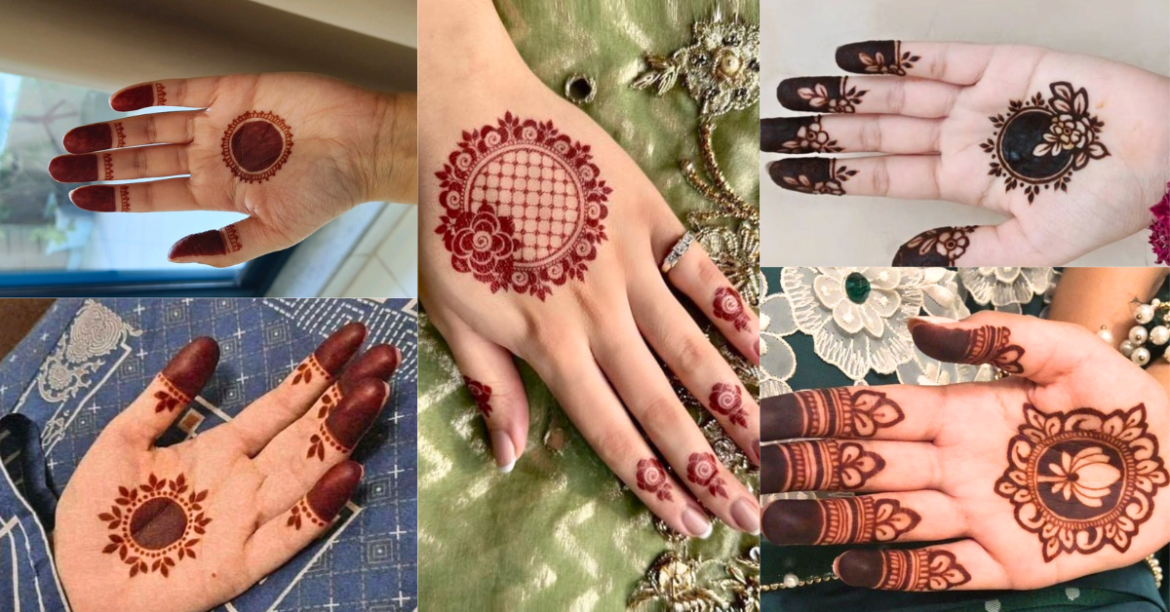
Mehndi has been an inseparable part of South Asian culture for centuries, gracing the hands and feet of women during weddings, festivals, and sacred celebrations. Among the many traditional styles practiced across generations, the gol tikki mehndi design holds a place of exceptional reverence. Its clean circular foundation, rich detailing, and timeless symmetry make it one of the most refined expressions of henna artistry in South Asian tradition.
What Is a Gol Tikki Mehndi Design?
The phrase “gol tikki” translates to “round dot” in Hindi and Urdu, and it describes the defining element of this celebrated design style. At its core, a tikki design is structured around a prominent central circle from which all surrounding motifs radiate outward in perfect balance. The composition achieves a mandala-like symmetry that is both visually commanding and deeply rooted in cultural heritage. This style is particularly prominent in bridal mehndi traditions, where its elegance and intricacy reflect the gravity and beauty of the occasion.
Main Patterns of the Gol Tikki Design
The tikki mehndi design is distinguished by a set of signature patterns that together create its iconic appearance. Each motif carries artistic and cultural significance, contributing to the overall harmony of the composition.
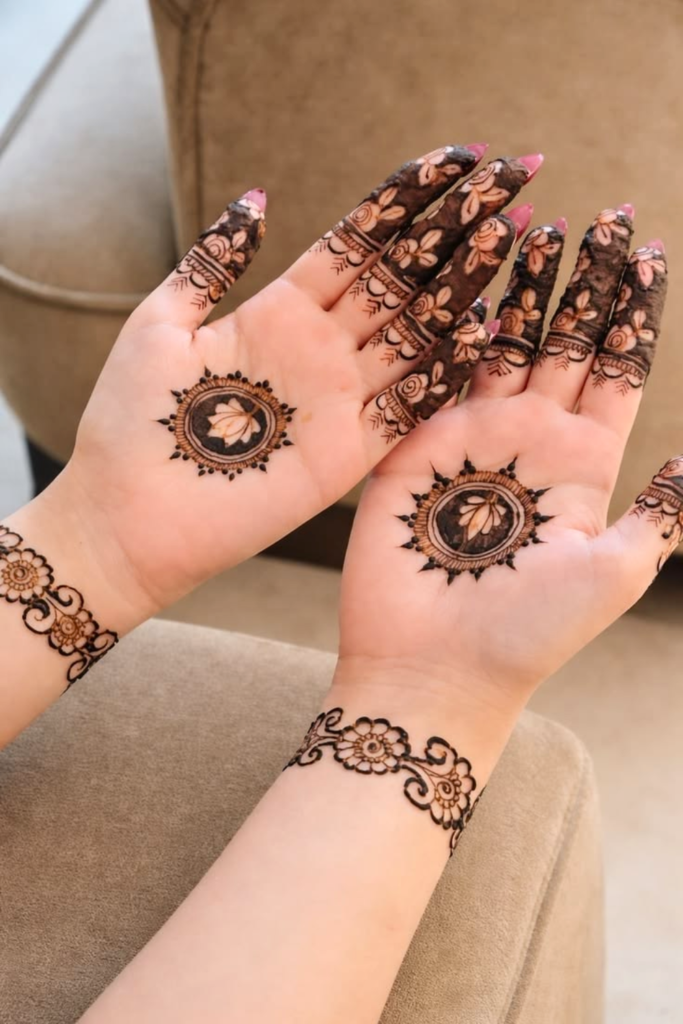
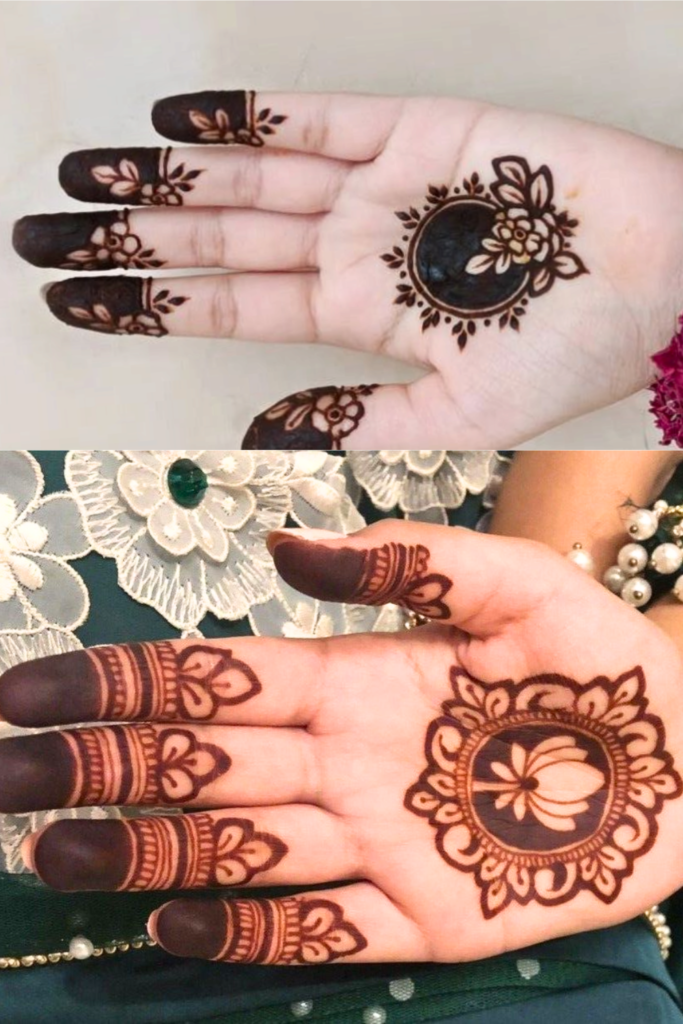
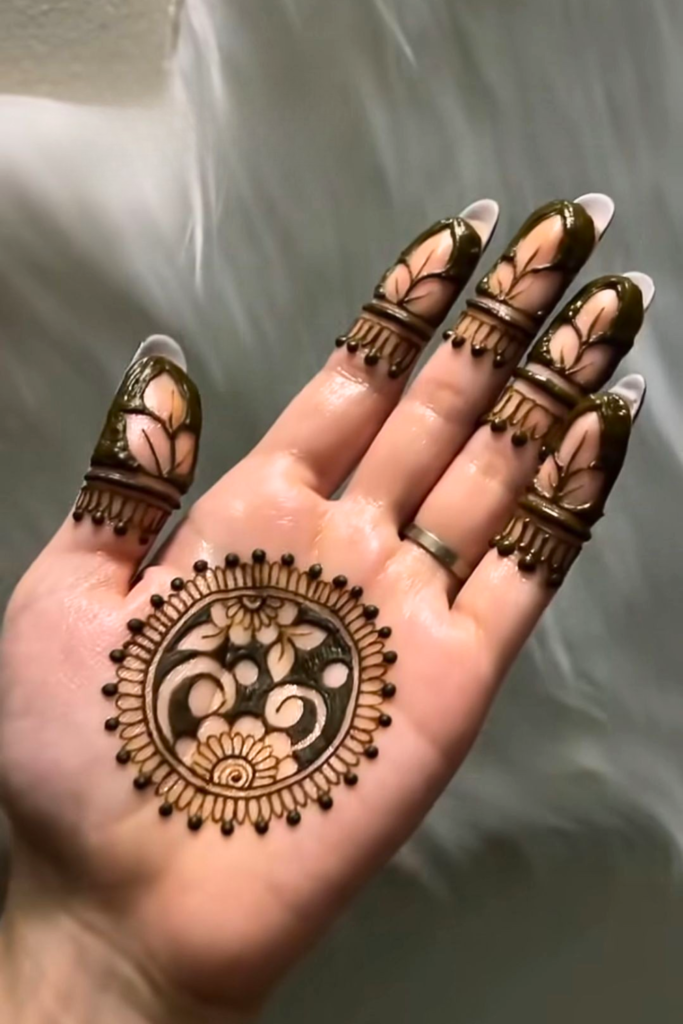
Central Tikki (Round Dot) The foundation of the entire design, this filled or outlined circle is placed precisely at the center of the palm. It may be filled with fine geometric work, lotus petals, or traditional dot clusters, depending on the level of intricacy desired.
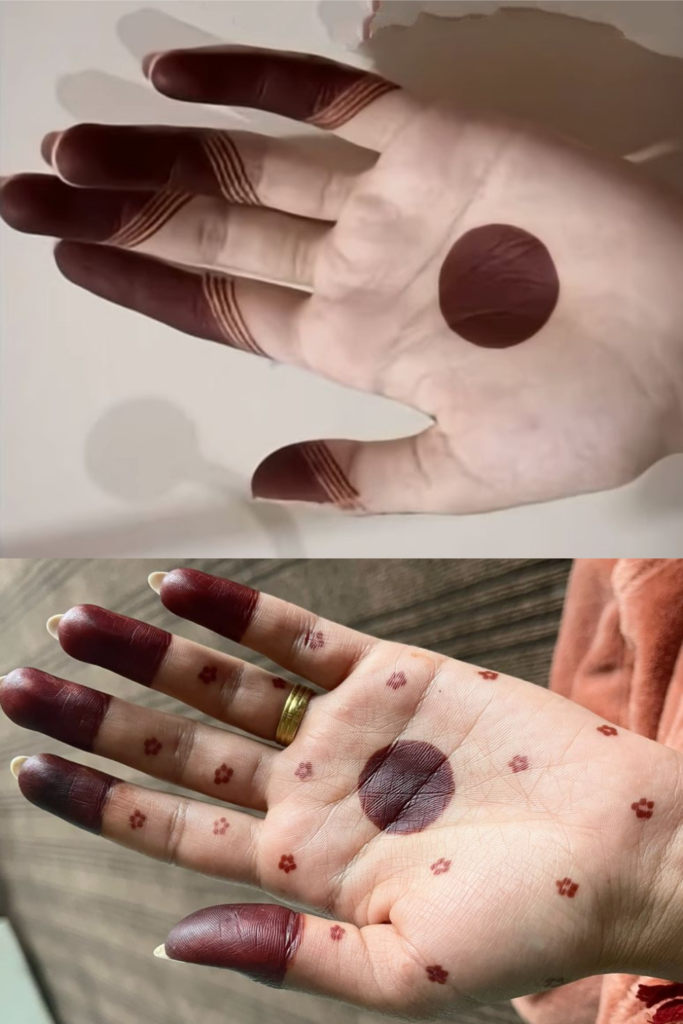
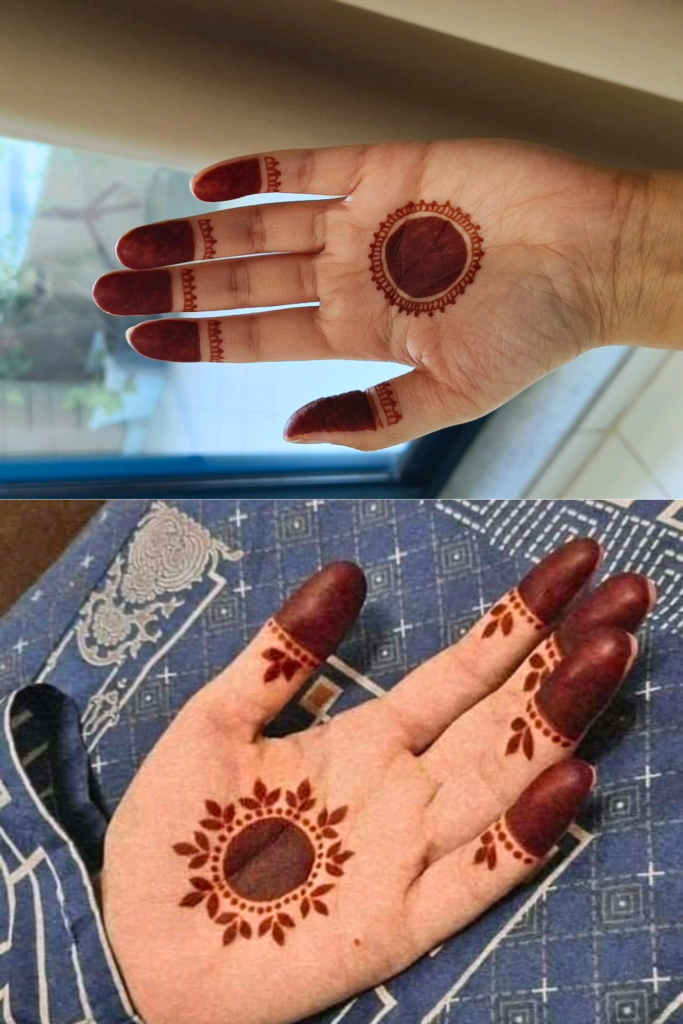
Floral Petal Ring Surrounding the central tikki, a ring of carefully drawn petals radiates outward to create the impression of a blooming flower. This layer adds softness and organic beauty to the otherwise geometric composition.
Source: Pinterest
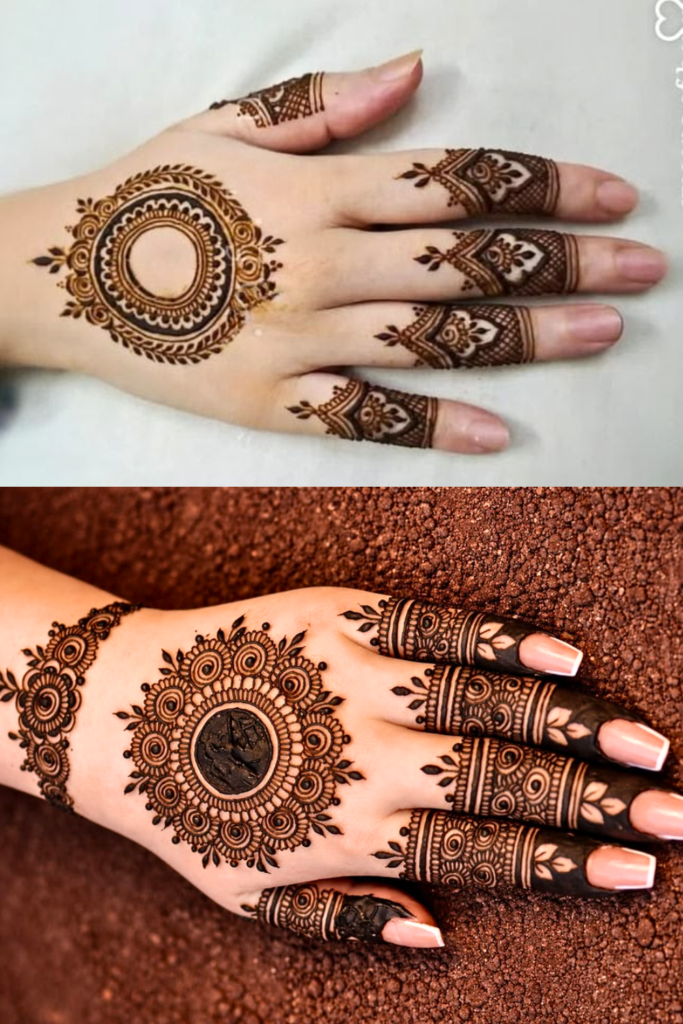
Paisley Motifs (Keri) Traditional curved paisley forms are arranged around the floral ring, adding cultural depth and graceful movement to the design. The paisley is among the most recognizable symbols in South Asian mehndi art.
Source: Pinterest
Jaal (Net or Lattice Pattern) A fine crosshatch or interlocking mesh pattern used either inside the tikki or as a connecting layer between motifs. The jaal pattern adds texture, density, and a sense of luxurious intricacy to the overall design.
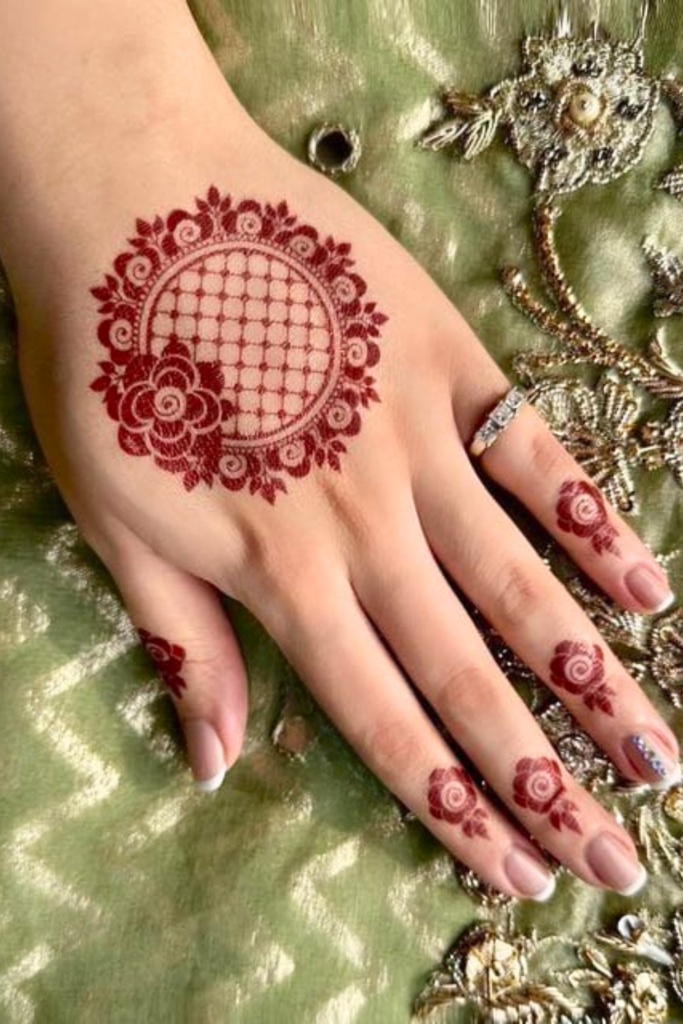
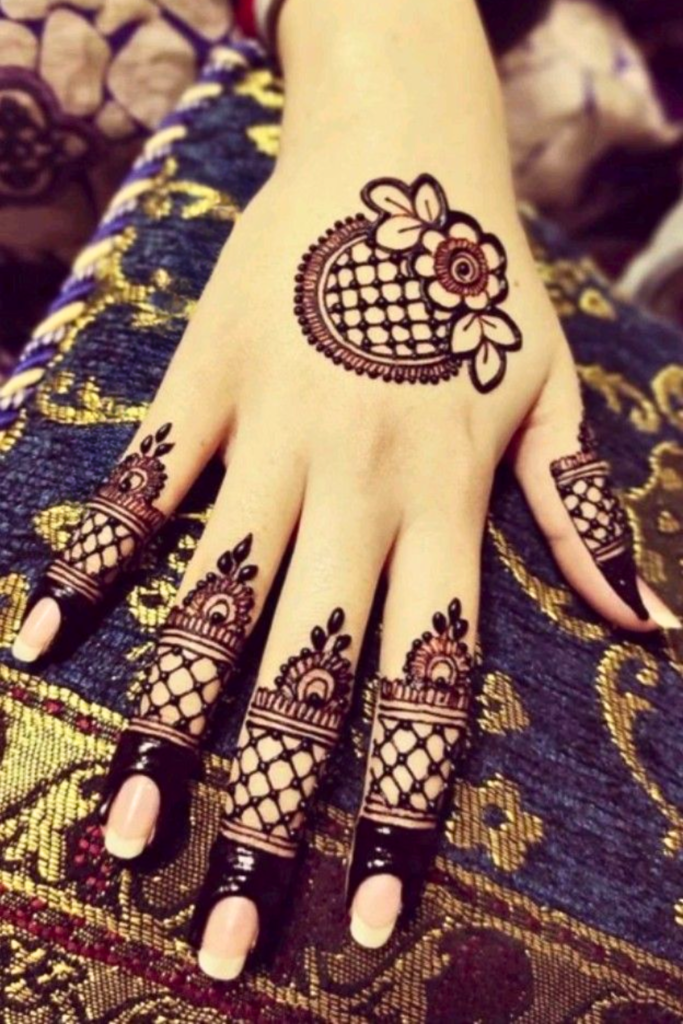
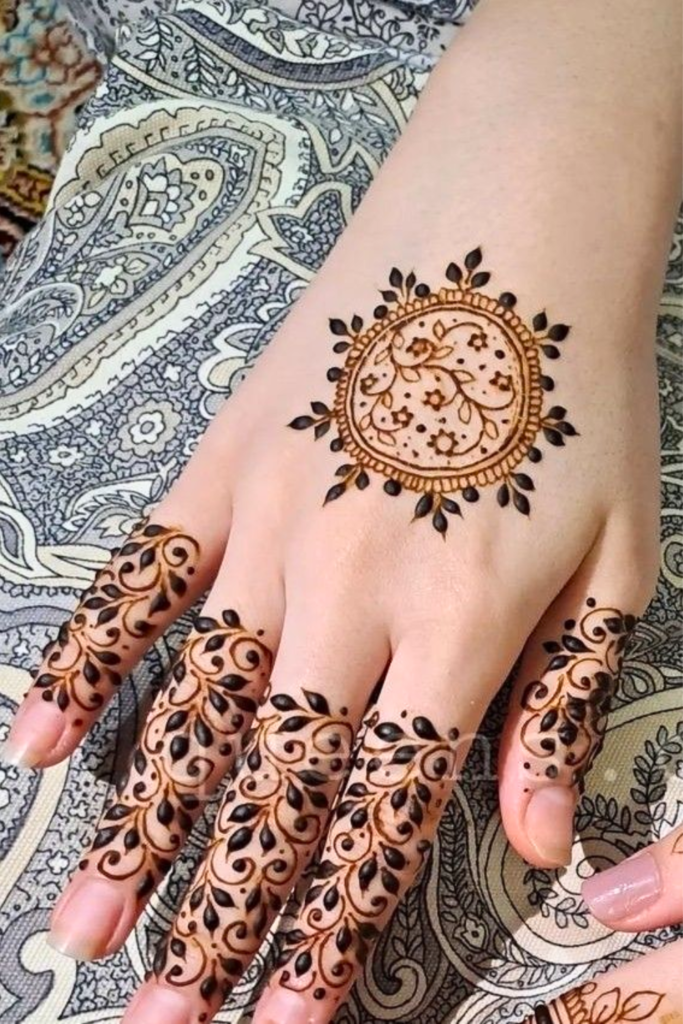
Vine and Leaf Border Trailing vines and small leaf clusters form the outermost frame of the design, softening the circular structure and allowing the pattern to transition naturally toward the fingers and wrist.
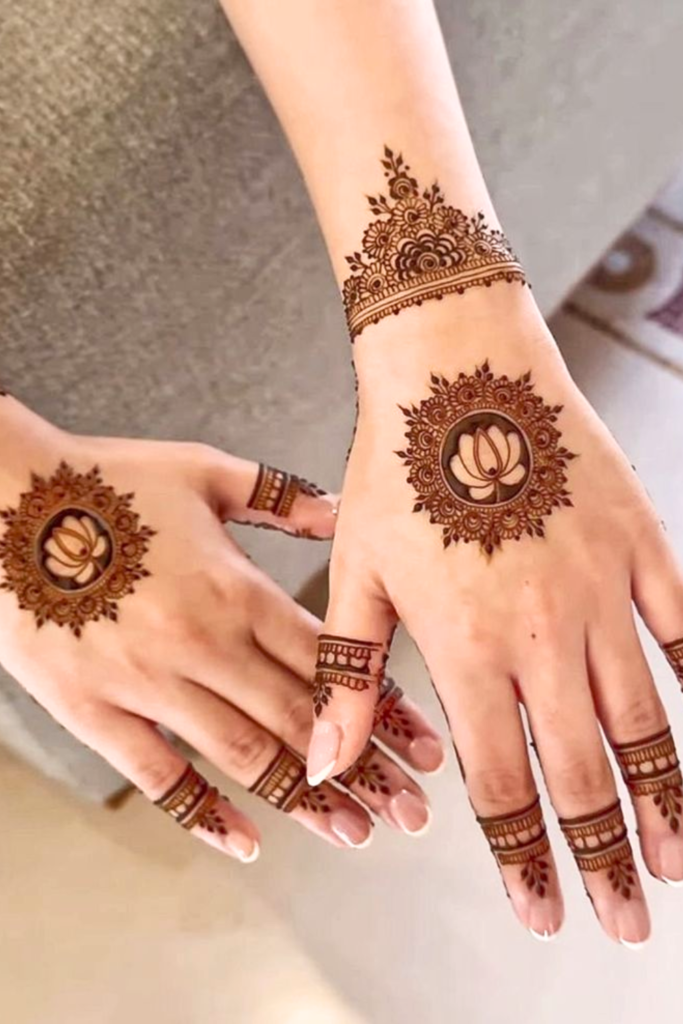
The Significance of Gol Tikki in Bridal Mehndi
The gol tikki bridal mehndi carries meaning that extends beyond its visual appeal. In South Asian tradition, the circle is a powerful symbol of completeness, continuity, and unbroken prosperity, all values that align deeply with the institution of marriage. A bride adorned with an elaborate gol tikki pattern on her wedding day carries these sentiments not merely as decoration, but as a cultural expression of hope and blessing.
The design’s structure also lends itself naturally to the bridal context. It can be rendered with dense, heavy filling for a grand ceremonial look, or executed with refined restraint for an engagement or pre-wedding function. This adaptability ensures the gol tikki mehndi pattern remains relevant across every stage of wedding celebrations.
Modern Interpretations of the Classic Style
While the gol tikki design is deeply traditional, contemporary mehndi artists have found meaningful ways to evolve the style without diminishing its heritage. Fusion interpretations now blend the central tikki with Arabic-style florals, mandala-inspired geometry, and negative space techniques that produce striking visual contrast.
Multi-tikki layouts, where several circular motifs are placed across the palm and connected through jaal or vine work, have also gained considerable popularity among younger brides seeking a bold yet culturally grounded aesthetic.
Minimalist variations featuring a single, cleanly executed tikki with sparse surrounding detail have similarly found a place in modern mehndi culture, particularly for casual celebrations such as Eid, sangeet ceremonies, and engagement events.
Application and Technique
A flawless gol tikki mehndi begins with high-quality henna paste and a fine-tipped applicator cone. The artist draws the central tikki first, ensuring its roundness and proportion before layering outward. Each ring of pattern is applied with patience, allowing partial drying between layers to preserve clean edges. Natural drying, followed by a light application of lemon-sugar solution, yields the deepest and most enduring stain.
The gol tikki mehndi design is, at its finest, a testament to the discipline and artistry of the mehndi tradition, a circular masterpiece drawn from culture, carried with pride, and cherished across every celebration it adorns.
Final Thoughts
The gol tikki mehndi design is more than a decorative pattern; it is a cultural statement that has stood the test of time. Whether chosen by a bride for her wedding or worn during a festive celebration, it carries with it a sense of tradition, elegance, and artistic pride that no passing trend can replace. As long as mehndi remains part of South Asian culture, the gol tikki will continue to hold its rightful place at the heart of it.