
Introduction
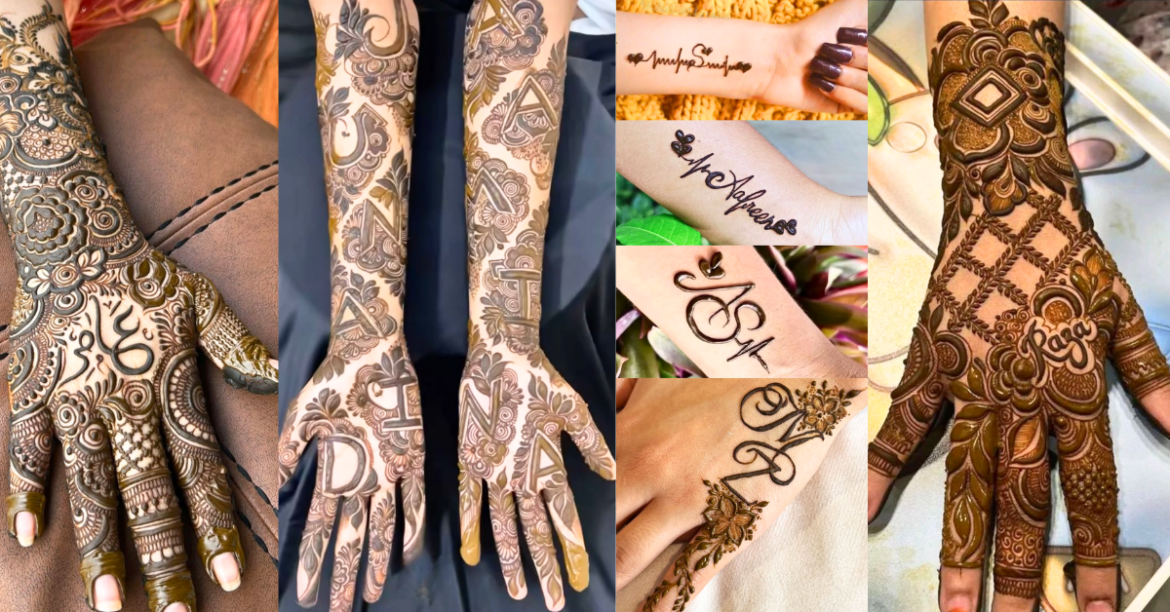
Mehndi, also known as henna, is one of the world’s oldest and most cherished forms of body art. Among its many styles, the name mehndi design stands out as a deeply personal and meaningful tradition. Incorporating names into intricate henna patterns transforms a beautiful design into a lasting expression of love, identity, and celebration.
What Is Names Mehndi Design?
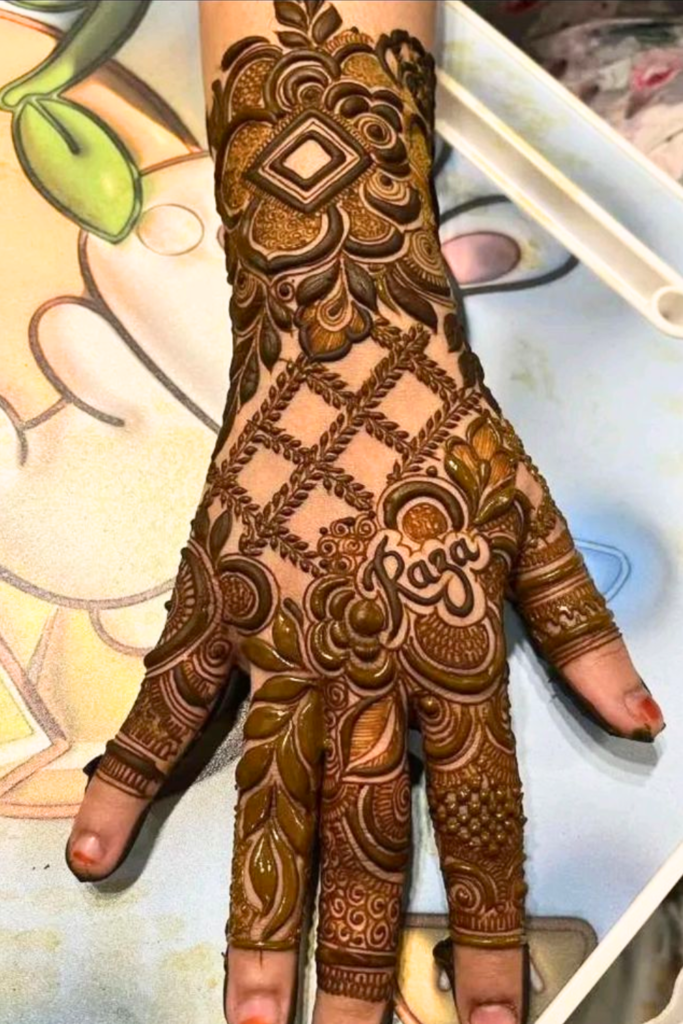
Mehndi design is the art of embedding a person’s name within a henna pattern. The name may be written in Urdu, Arabic, Hindi, or English calligraphy and is beautifully surrounded by floral motifs, vines, and traditional mehndi elements. The result is a design that is both visually stunning and emotionally significant.
Popular Styles of Names Mehndi Design
Bridal Name Mehndi
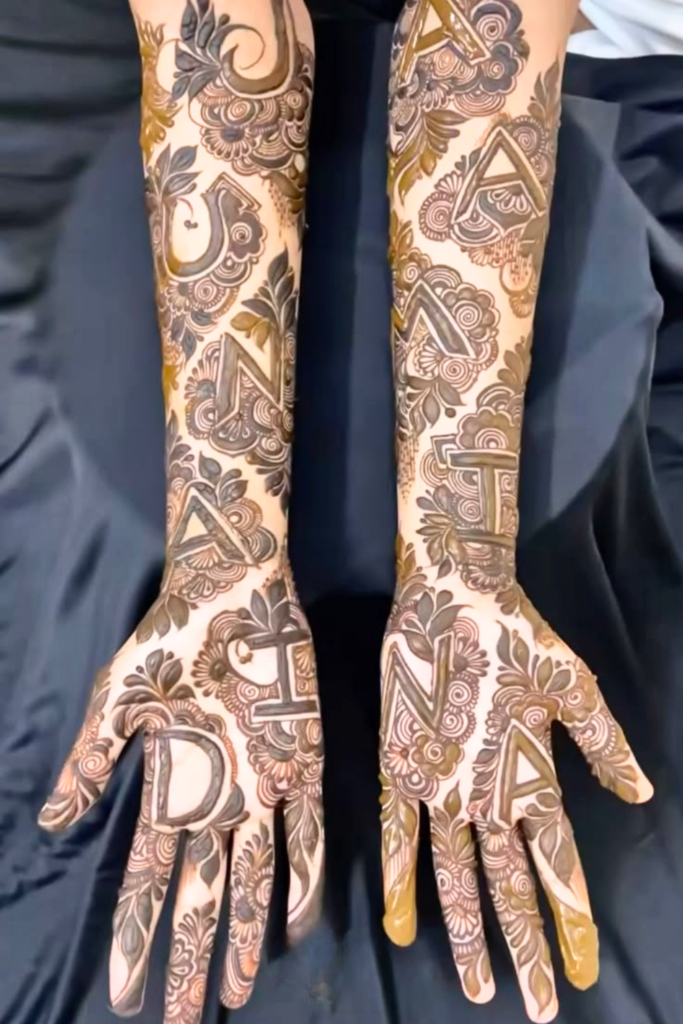
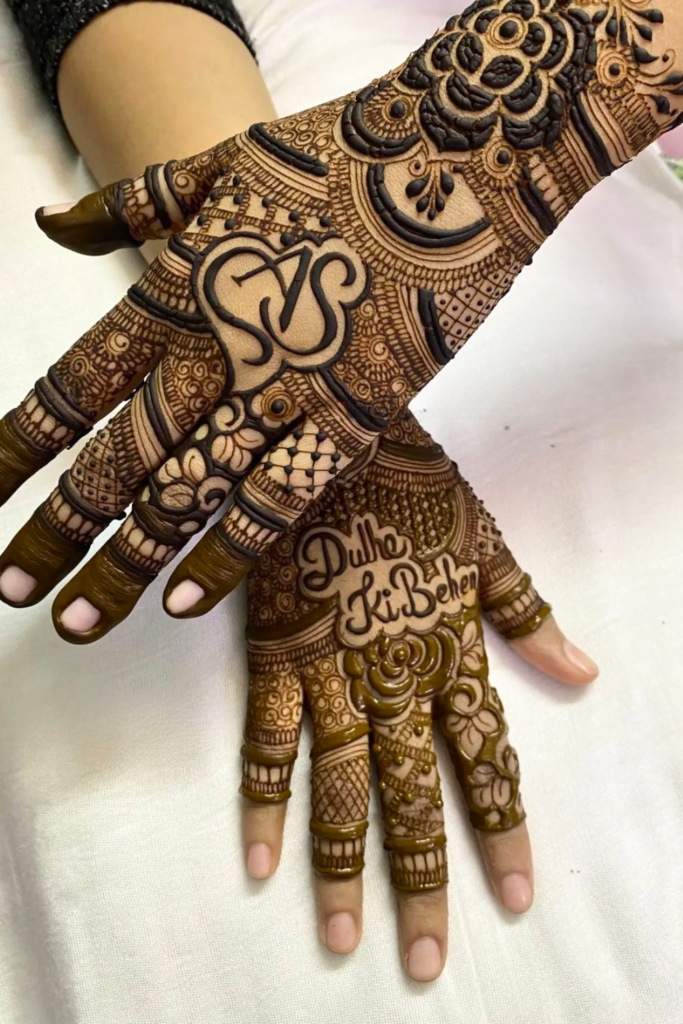
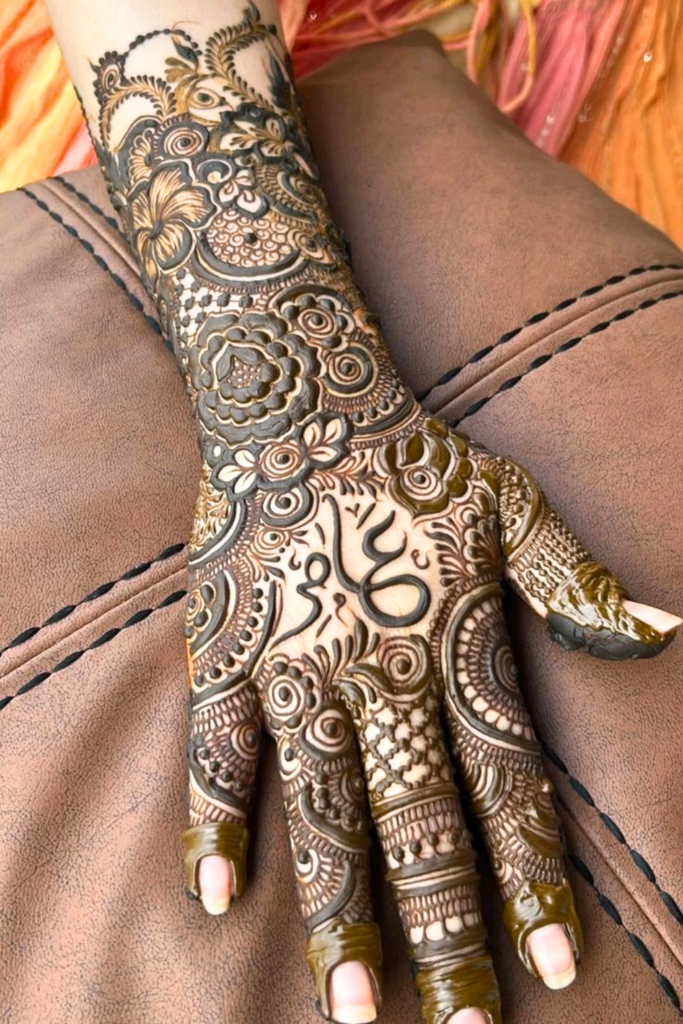
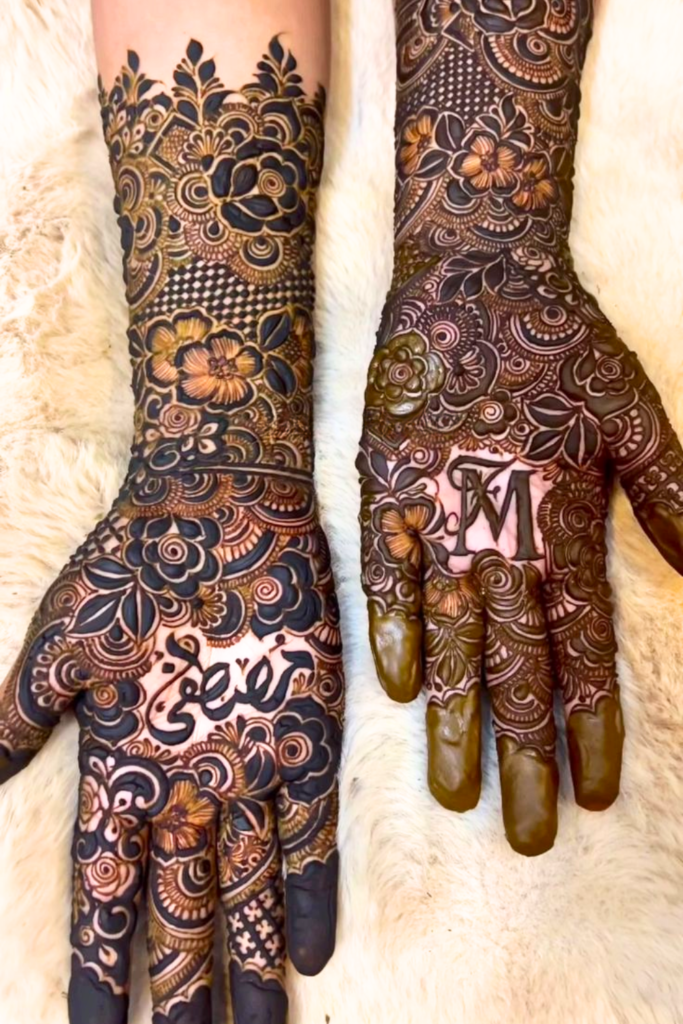
The most celebrated use of the name’s mehndi is in bridal ceremonies. In South Asian weddings, it is a beloved tradition for the bride’s mehndi to secretly conceal the groom’s name within the design. The groom is then invited to search for his name during the wedding festivities, a ritual believed to strengthen the bond between the couple. Bridal name’s mehndi is typically large, elaborate, and covers the hands, wrists, and often extends up the forearms and onto the feet.
Simple and Minimalist Name Designs
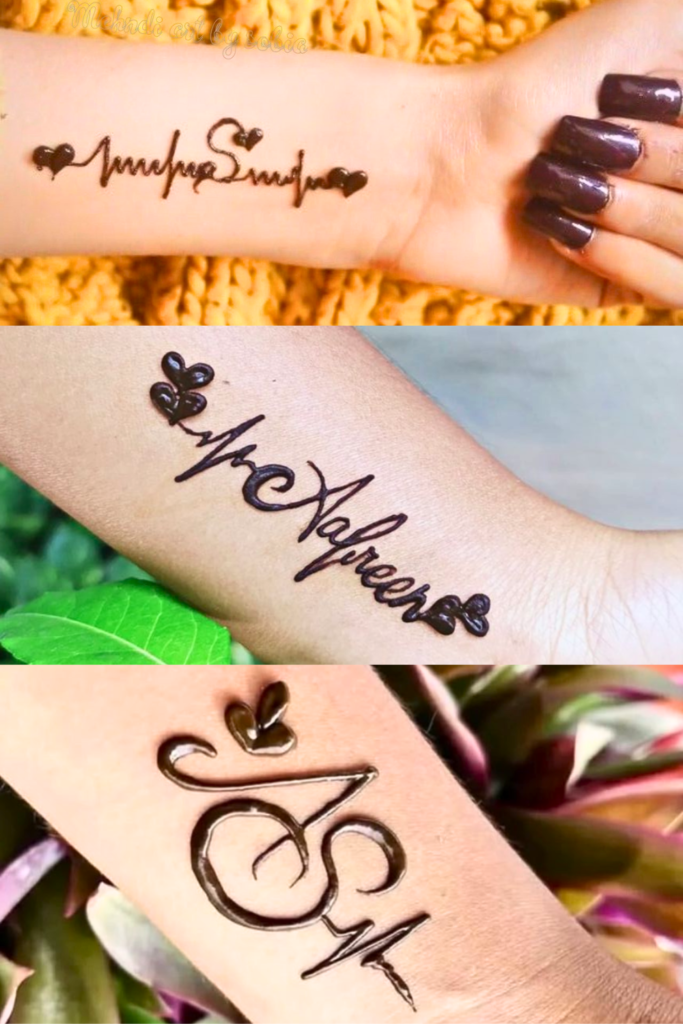
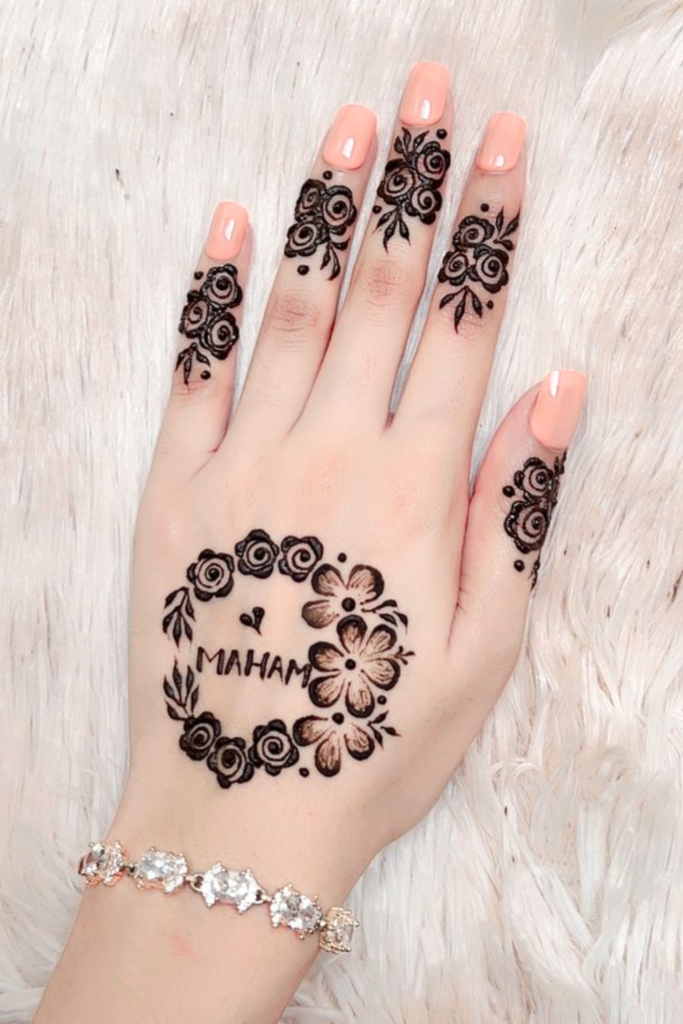
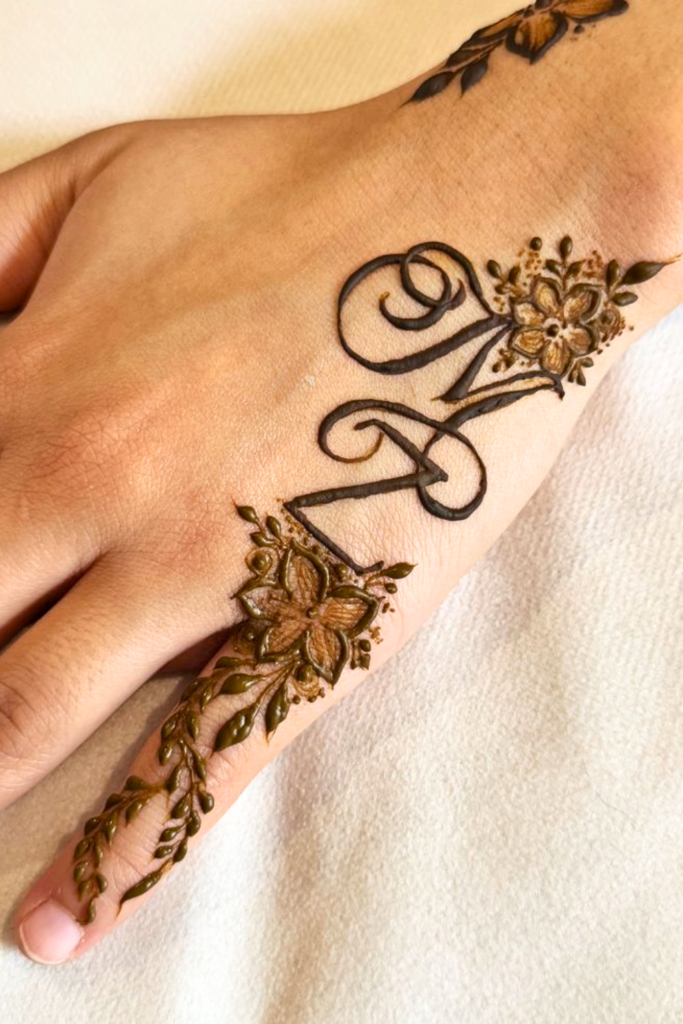
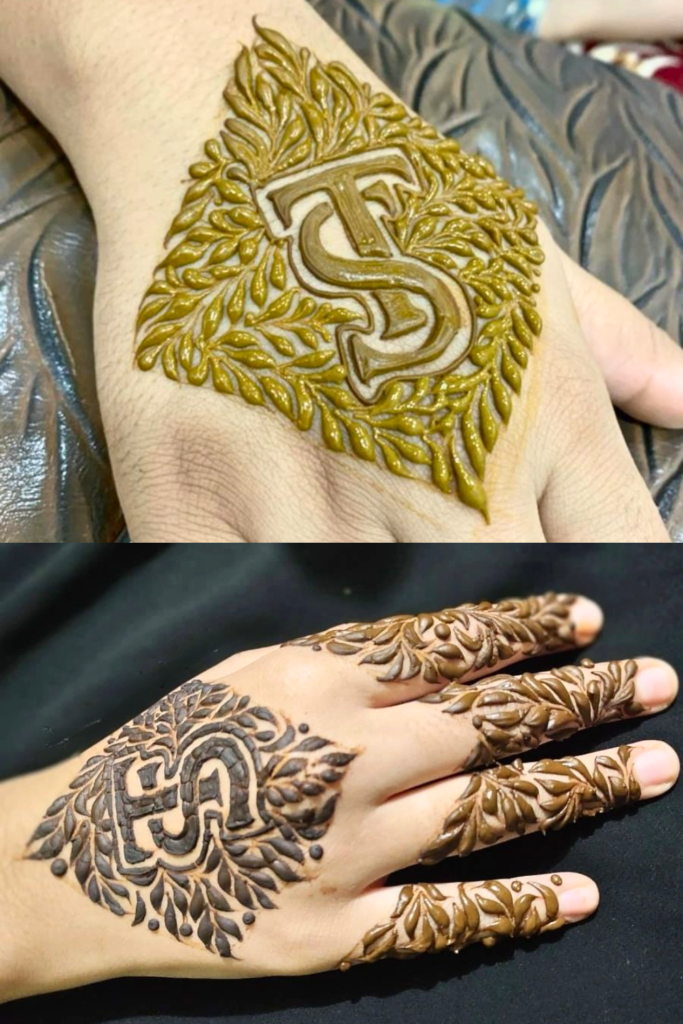
Not all names’ Mehndi designs need to be grand. Simple name mehndi has gained enormous popularity, particularly among younger generations who appreciate clean, understated artistry. In this style, the name itself becomes the focal point, written in elegant calligraphy, perhaps framed by a delicate floral border or a few carefully placed dots and vines. Simple designs are ideal for casual occasions, everyday wear, or for those trying mehndi for the first time.
Arabic Style Name Mehndi
Bold, flowing patterns with generous spacing between motifs characterize Arabic mehndi. When names are incorporated into Arabic-style designs, they tend to be written in sweeping Urdu or Arabic script, lending the design a graceful, sophisticated look. The open style of Arabic mehndi allows the name to stand out prominently, making it highly legible and visually striking.
Floral Name Mehndi
In floral name designs, the letters of a name are crafted from petals, leaves, and stems. Each letter blooms like a flower, creating a whimsical and romantic design that blends language with nature. This style is especially popular for bridal showers, engagement ceremonies, and Valentine’s Day celebrations.
Geometric Name Mehndi
For those who prefer a modern aesthetic, geometric name mehndi combines sharp lines, mandala patterns, and symmetrical shapes with name lettering. This fusion of traditional art with contemporary design sensibilities appeals to a wide audience and looks particularly stunning on the back of the hand or the forearm.
Source: Pinterest
Best Placement Options
The placement of a name’s mehndi design greatly influences its overall impact. The back of the hand offers the most visibility, while the wrist suits simple, bracelet-style name designs. The forearm works well for longer compositions with multiple names, and the foot or ankle is ideal for designs paired with floral trails and mandala patterns.
Occasions for Names Mehndi
Mehndi is not limited to weddings. It is equally meaningful for Eid celebrations, baby showers, anniversaries, birthdays, and personal milestones. Any occasion worth commemorating can be made more special with a name rendered in the timeless art of henna.
Tips for Best Results
To achieve a beautiful name Mehndi design, always consult a skilled and experienced artist. Provide the exact spelling and preferred script in advance. Keep the skin clean before application, allow the henna to dry for six to eight hours, and avoid water contact for at least twelve hours after removal to achieve a deep, rich stain.
Conclusion
Mehndi design beautifully unites art, tradition, and personal identity. Whether bold and bridal or simple and elegant, these designs carry the timeless power of a name, making every pattern not just a work of art, but a deeply human story.