
Introduction:
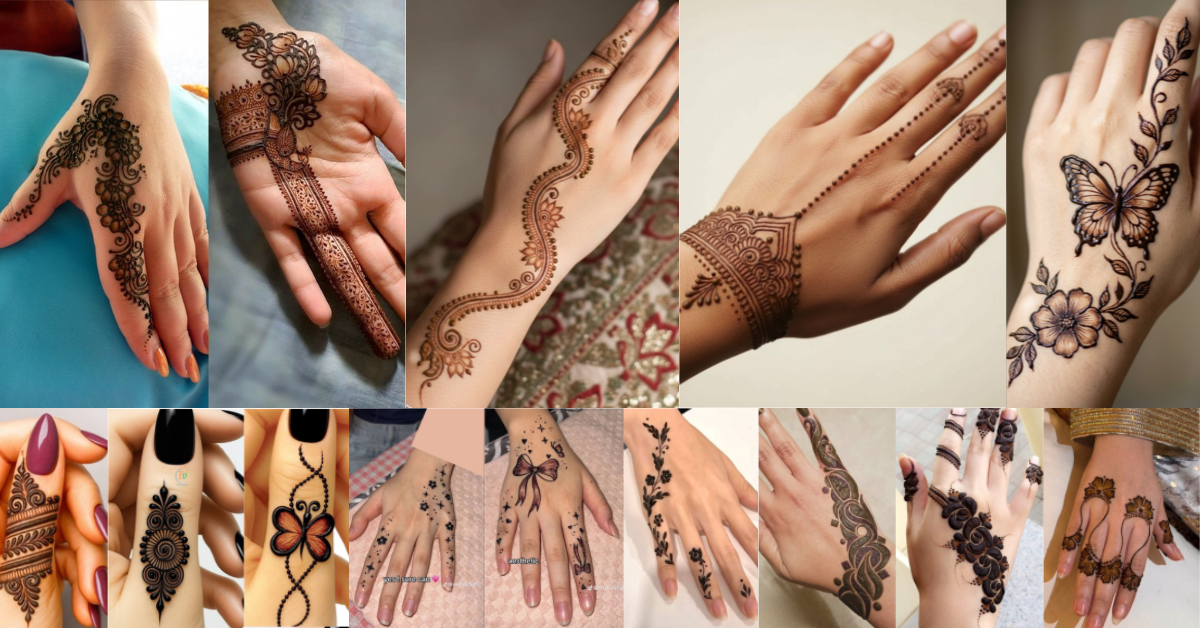
Minimal mehndi design has become one of the most beloved henna trends in recent years, shifting attention away from dense, all-over patterns toward thoughtful placement, delicate linework, and generous negative space. Rather than covering every inch of the hand, minimal mehndi lets a single lotus, a geometric band, or a trail of fine dots speak on its own. The result is an elegant, modern look that suits brides, festival-goers, and everyday wear alike.
What Is Minimal Mehndi Design?
Minimal mehndi, also called simple or fine-line mehndi, is a contemporary approach to henna art that prioritises precision and breathing space over dense filling. Inspired by fine-line tattooing and modern design aesthetics, it adapts these sensibilities to the centuries-old South Asian and Middle Eastern tradition of applying henna to the skin. The designs feel wearable and refined, equally at home at a Diwali celebration, a boho wedding, or a casual afternoon out.
Popular Styles
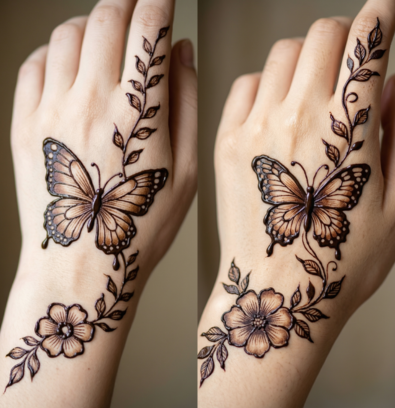
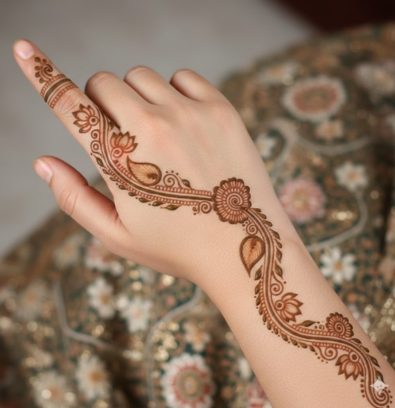
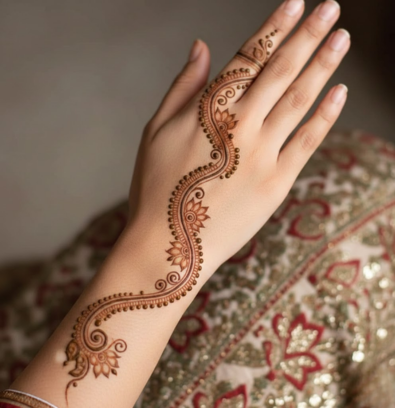
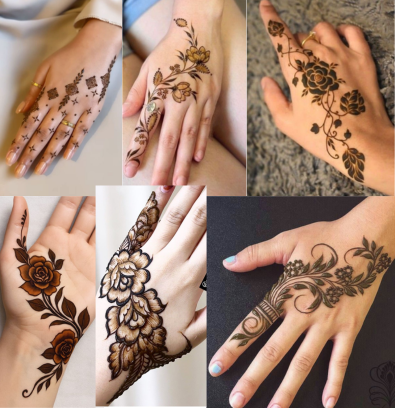
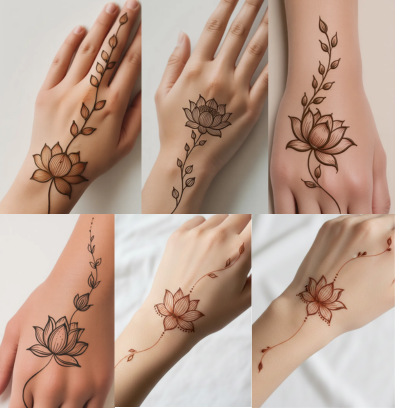
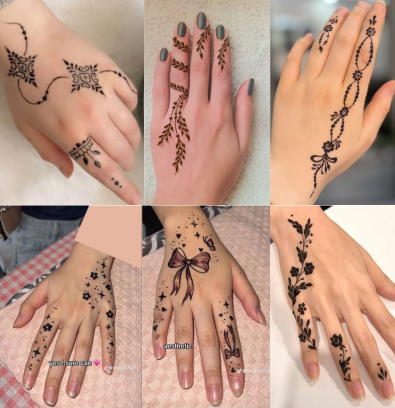
Floral and botanical designs feature single roses, lotuses, or jasmine sprigs drawn with fine outlines and little to no fill. They feel romantic and organic, making them a favourite for brides who want elegance without heaviness. These designs also age beautifully as the henna fades, maintaining their delicate charm right through to the last day.
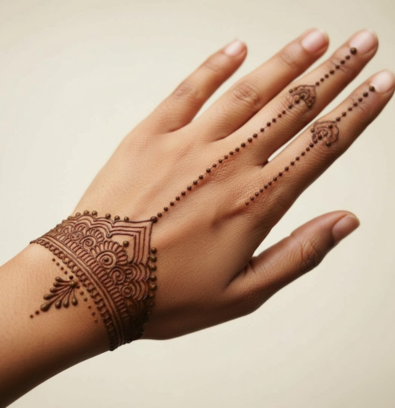
Geometric and abstract mehndi uses clean triangles, mandalas, and chevron bands arranged with mathematical precision. This style pairs beautifully with contemporary outfits and appeals to those who appreciate structured, architectural art. It is also a great choice for those who prefer a gender-neutral or culturally fluid aesthetic.
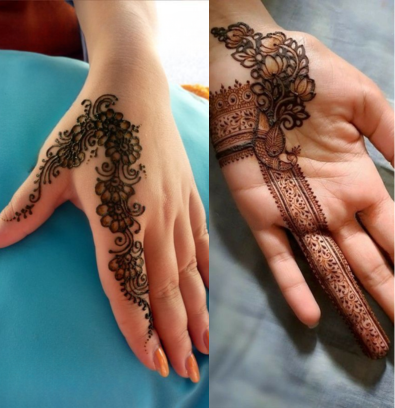
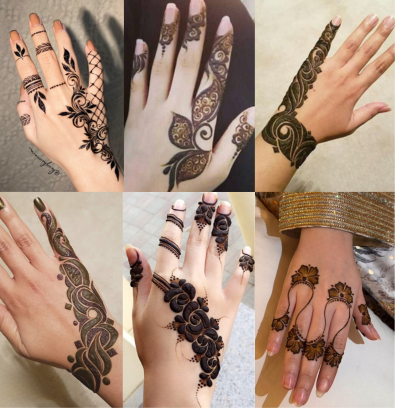
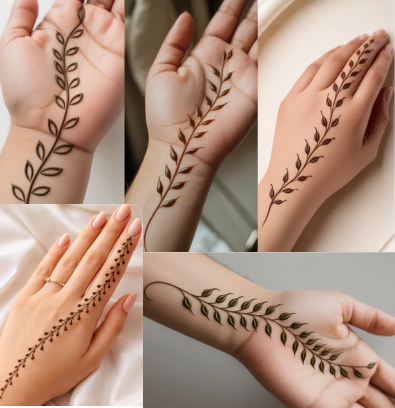
Dot and dash work creates trailing constellations of tiny dots and dashes that give a dreamy, celestial quality. It photographs exceptionally well and suits bohemian or fusion occasions. Because each dot is applied individually, this style also allows for a high degree of personalisation in spacing, size, and pattern flow.
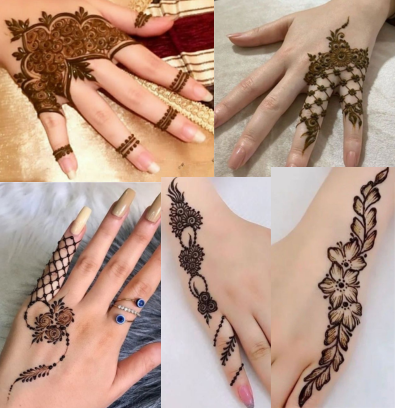
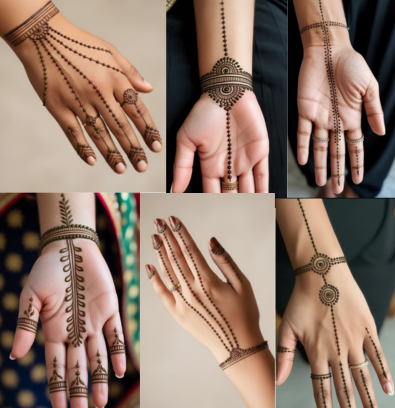
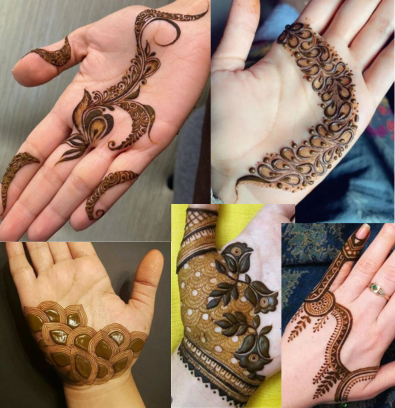
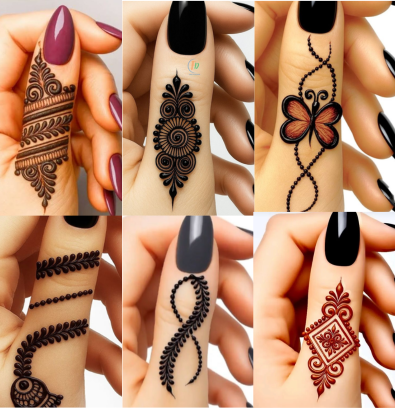
Finger-only designs restrict mehndi to ring-shaped bands or small fingertip caps. It is the most minimal style of all, effortlessly chic, quick to apply, and perfect for those new to henna.
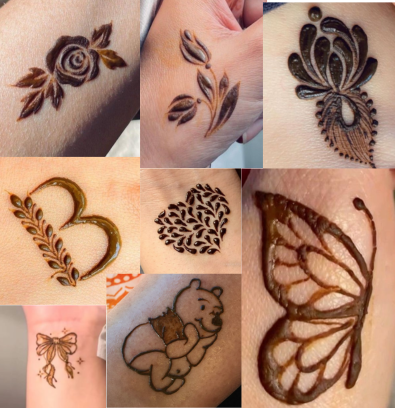
Best Placement Ideas
The beauty of minimal mehndi lies in deliberate placement. The back of the hand suits a single centrepiece motif with fine trailing vines toward the fingers. The inner wrist is ideal for a bracelet-style band or a small mandala. Finger-only designs work well in professional settings where subtlety matters. For a bolder look, a single oversized bloom on the shoulder or collarbone makes a striking statement at photoshoots or evening events. The ankle is another popular choice, a delicate vine from ankle to toe looks stunning with open footwear.
Application and Aftercare Tips
A few simple steps separate a patchy result from a rich, lasting stain. Exfoliate the skin 24 hours before application to remove dead cells that cause uneven colour. Use a fine-tip cone with a small opening for the thin lines that define minimal designs, practice on paper first if you are a beginner. Once the paste is dry, seal it with a lemon-sugar solution and leave it on for at least six hours, or overnight for best results. After removing the dried paste, avoid water for the first 24 hours and apply coconut or mustard oil to deepen the colour. Expect the stain to darken gradually over 48 hours, reaching its richest tone on the palms and fingers.
Final Thoughts
Minimal mehndi proves that beauty does not require complexity. A few carefully drawn lines can communicate far more than a page full of patterns. Whether you are preparing for a wedding, celebrating a festival, or simply want a small daily adornment, minimal mehndi offers an accessible and deeply personal form of self-expression. Start with a single motif, leave space around it, and discover how much a little henna can say.