
Introduction
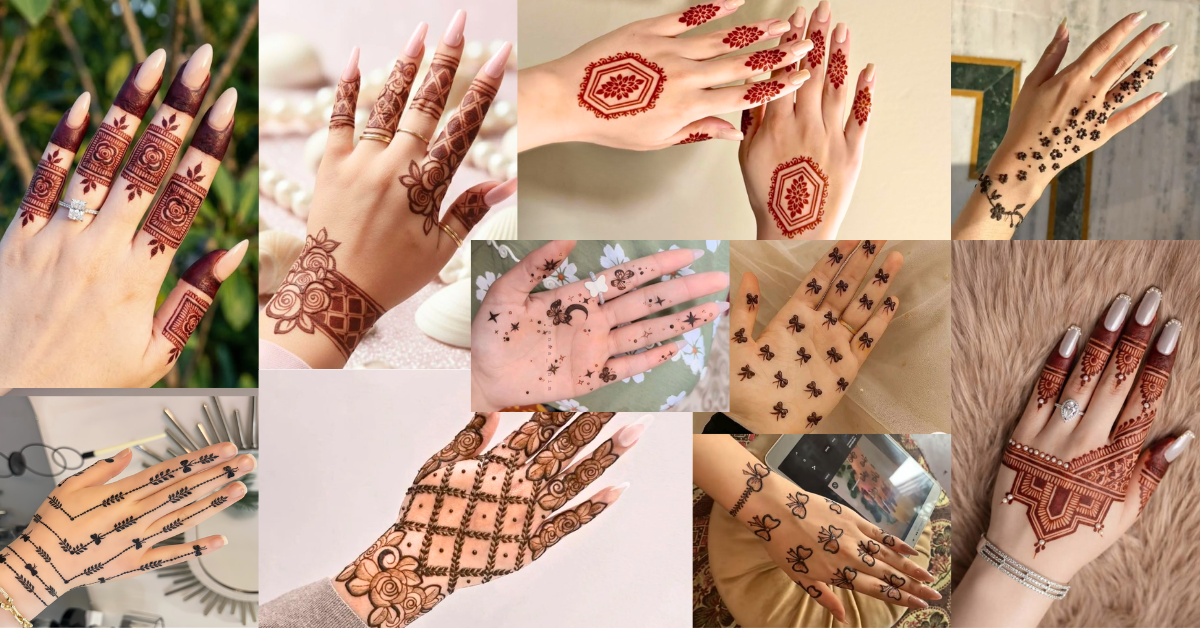
Mehndi, commonly known as henna, is one of the world’s oldest and most enduring forms of body art. Rooted in the ancient traditions of South Asia, the Middle East, and North Africa, it has evolved over centuries into a refined artistic discipline celebrated across cultures. Today, aesthetic mehndi design is recognized not only as a ceremonial practice but as a sophisticated art form appreciated for its elegance, symbolism, and technical mastery.
Defining Aesthetic Mehndi Design
An aesthetic mehndi design is distinguished by four core principles: symmetry, proportion, flow, and detail. The interplay between filled patterns and bare skin, known as negative space, is equally important to the overall composition. A well-executed design draws the viewer progressively deeper, with layered elements that reward close observation. Every motif, line, and border should feel intentional, contributing to a cohesive visual narrative.
Major Styles and Their Characteristics
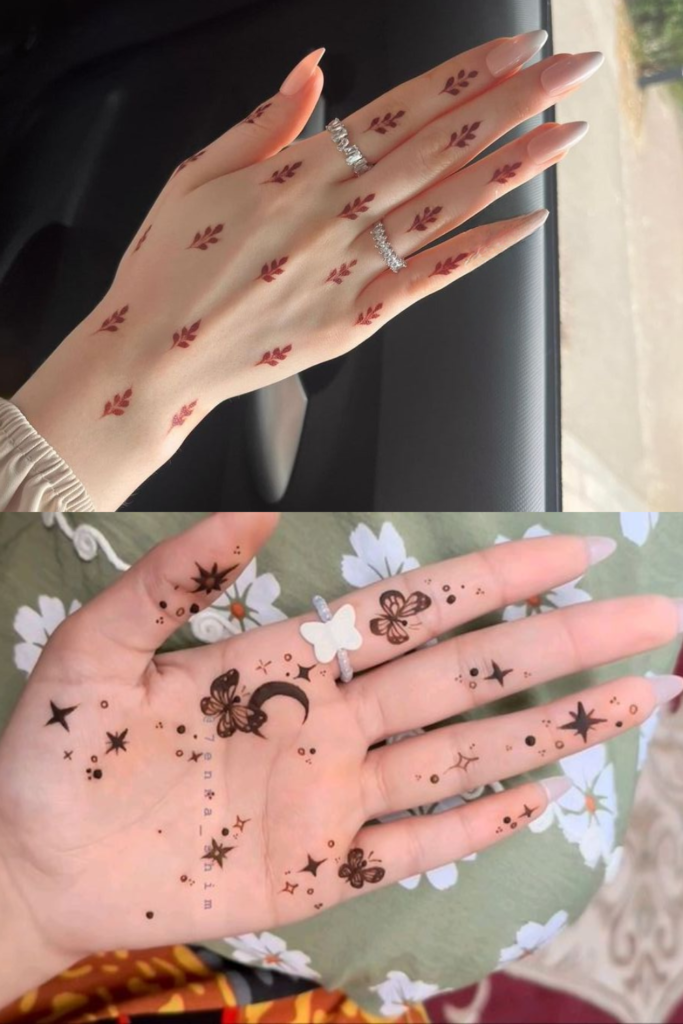
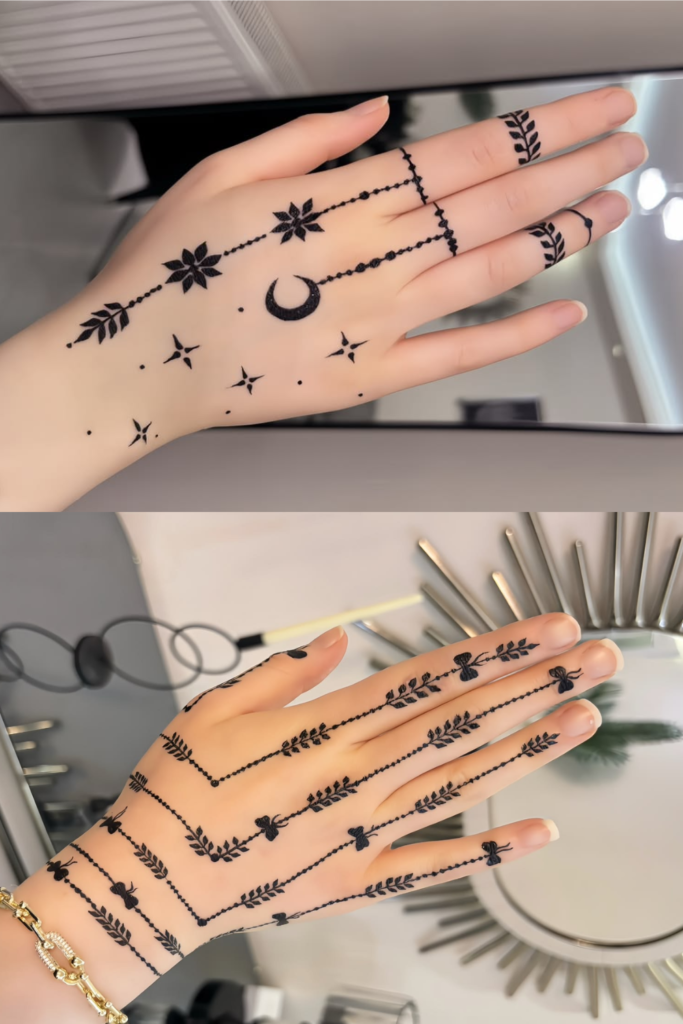
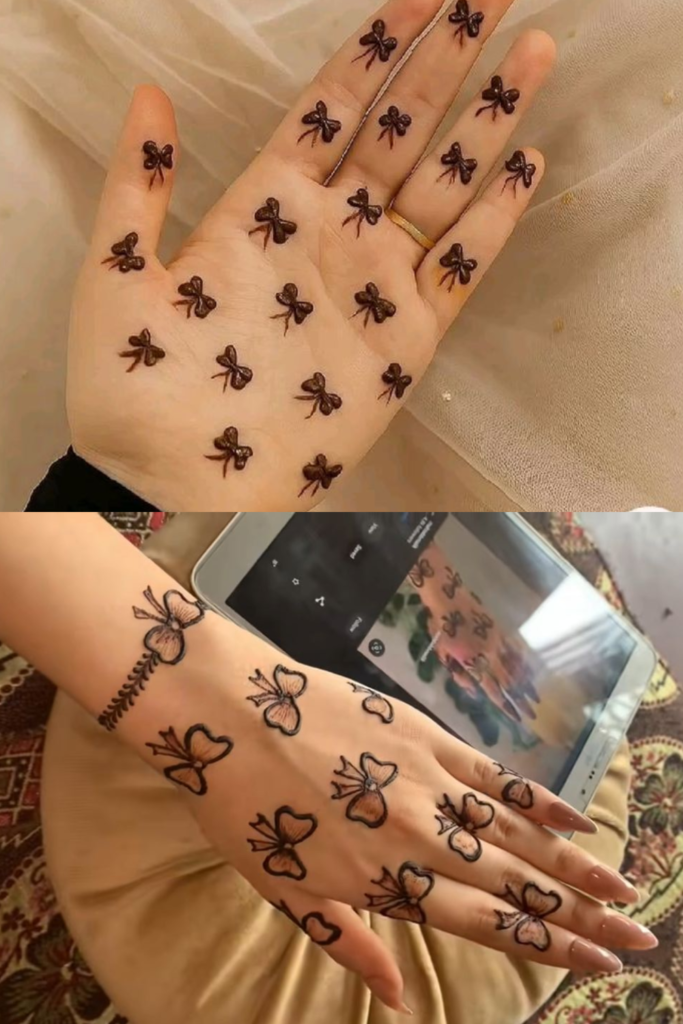
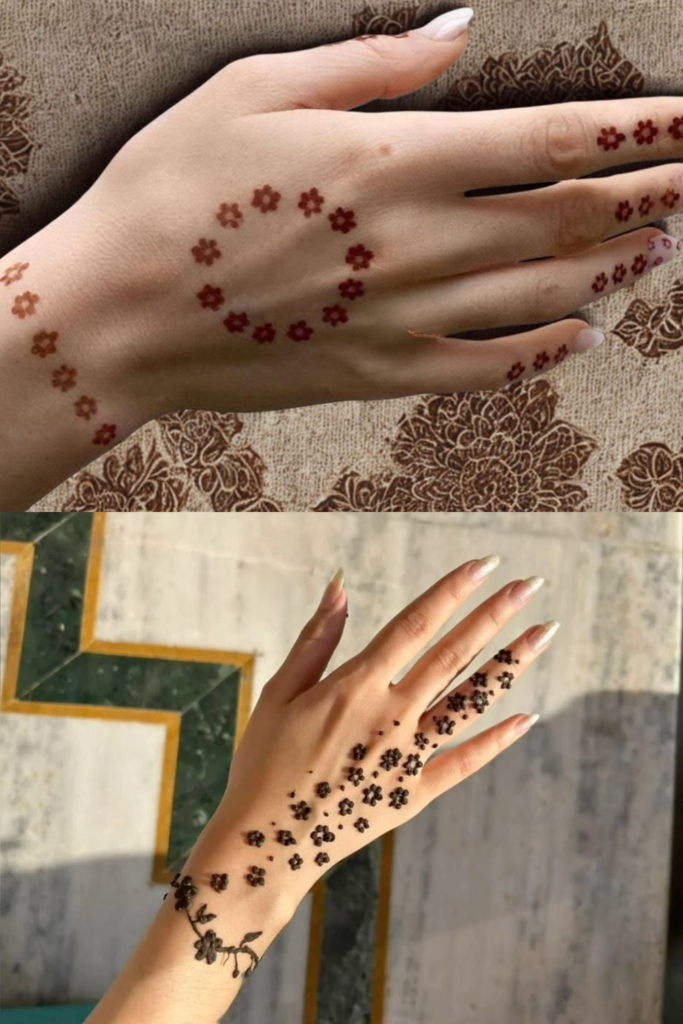
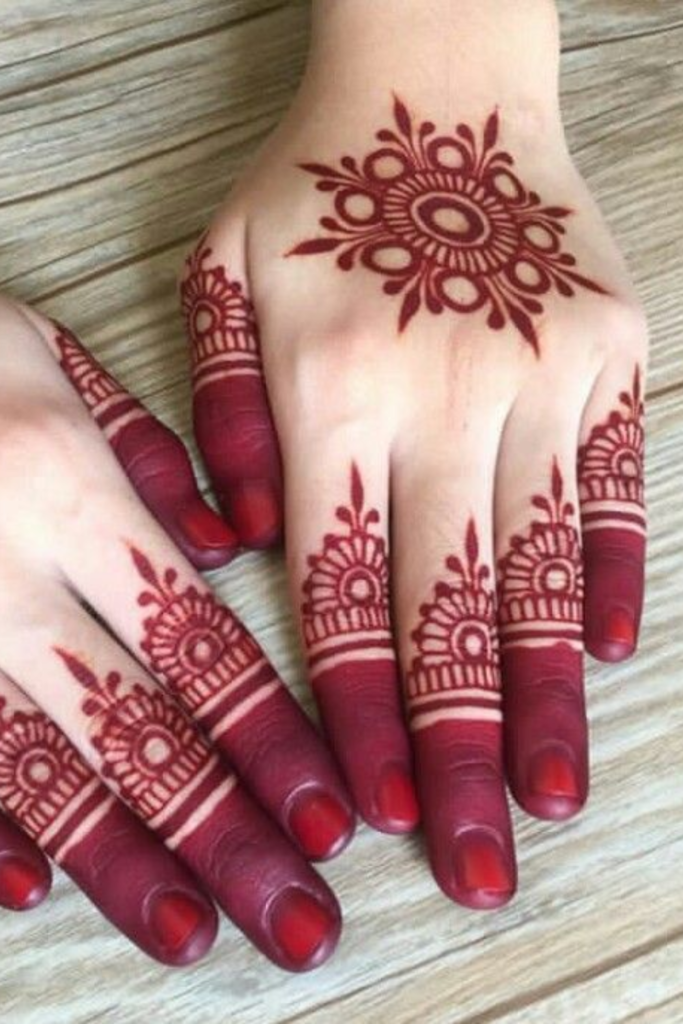
Minimalist Modern mehndi has emerged as a contemporary favorite, using single-line compositions, small mandalas, and delicate scattered motifs for a refined, understated look suited to everyday wear and modern occasions.
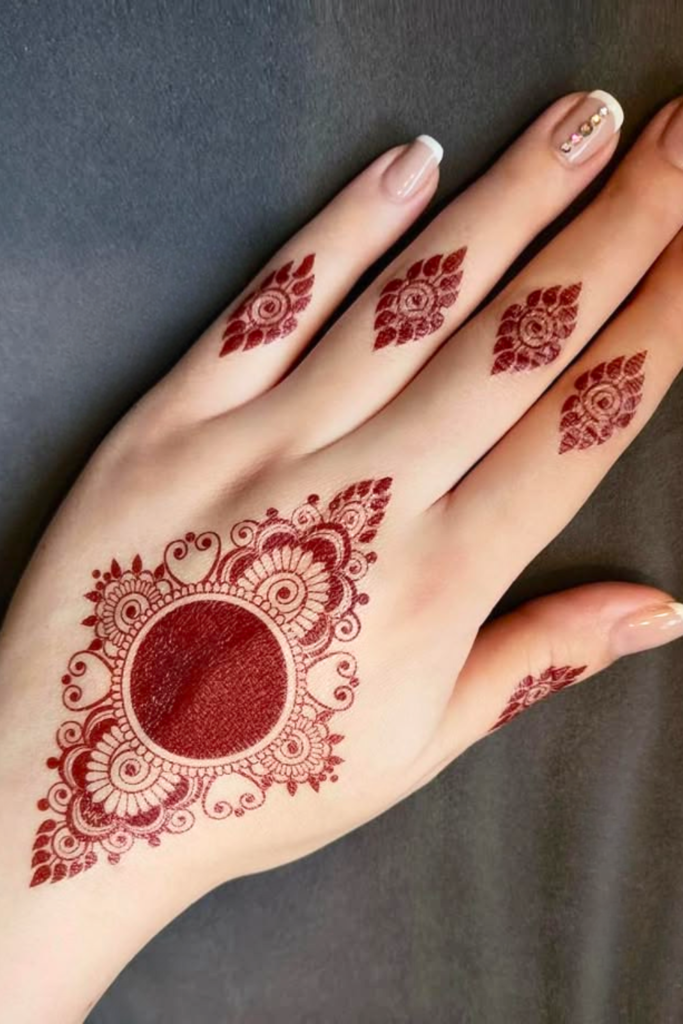
Rajasthani mehndi is the most ornate style, characterized by dense, full-coverage patterns featuring peacocks, paisleys, lotus flowers, and fine geometric grids. It is deeply narrative bridal designs often conceal portraits of the bride and groom within the composition.
Source: Pinterest
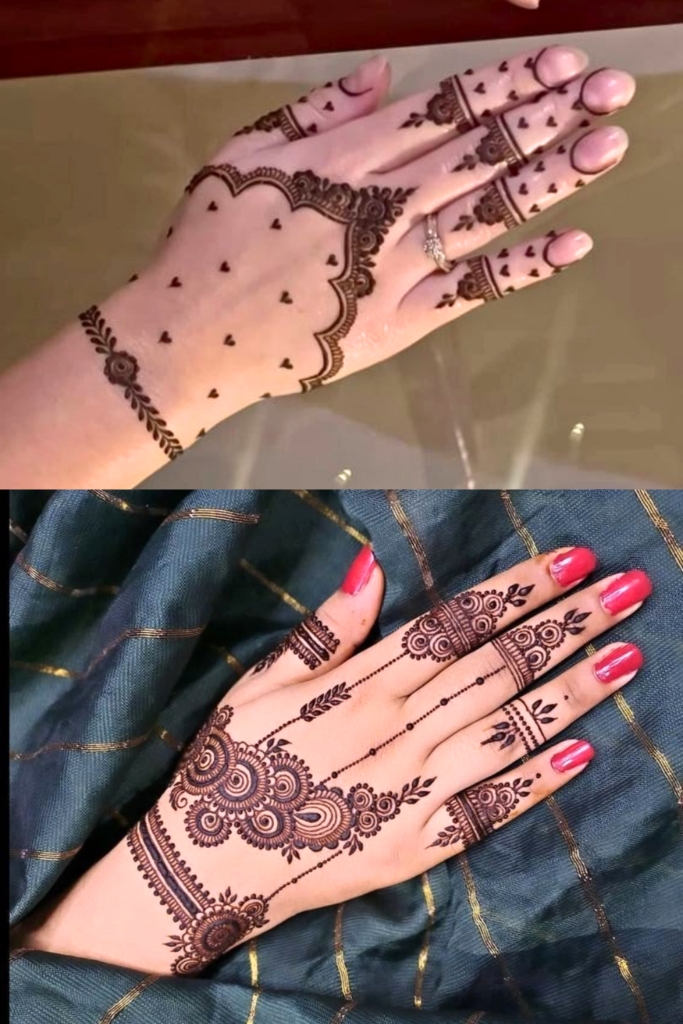
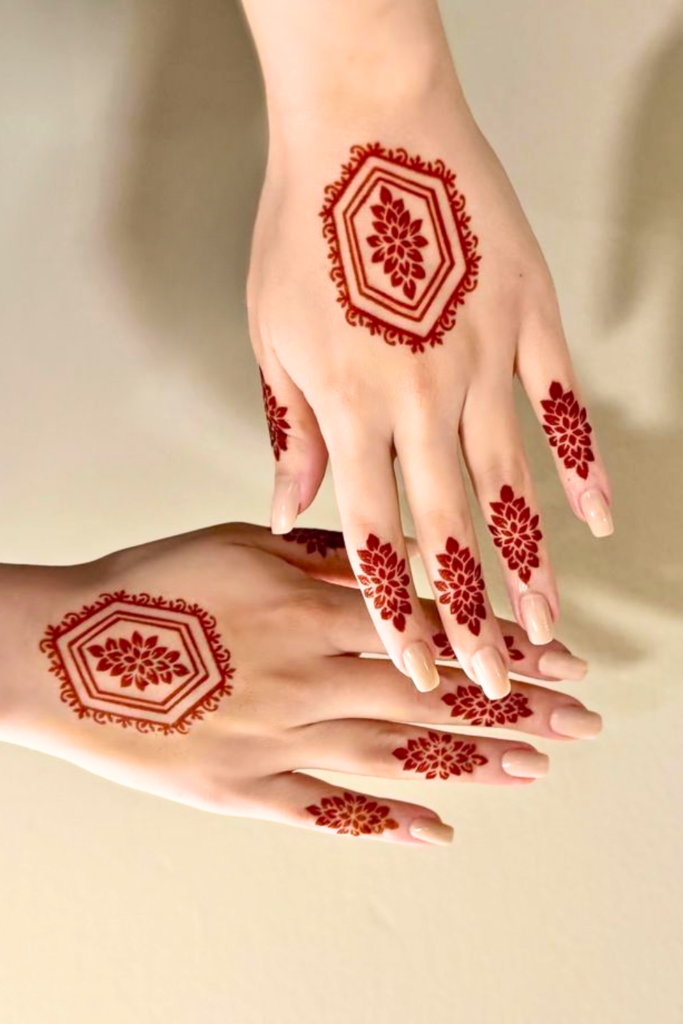
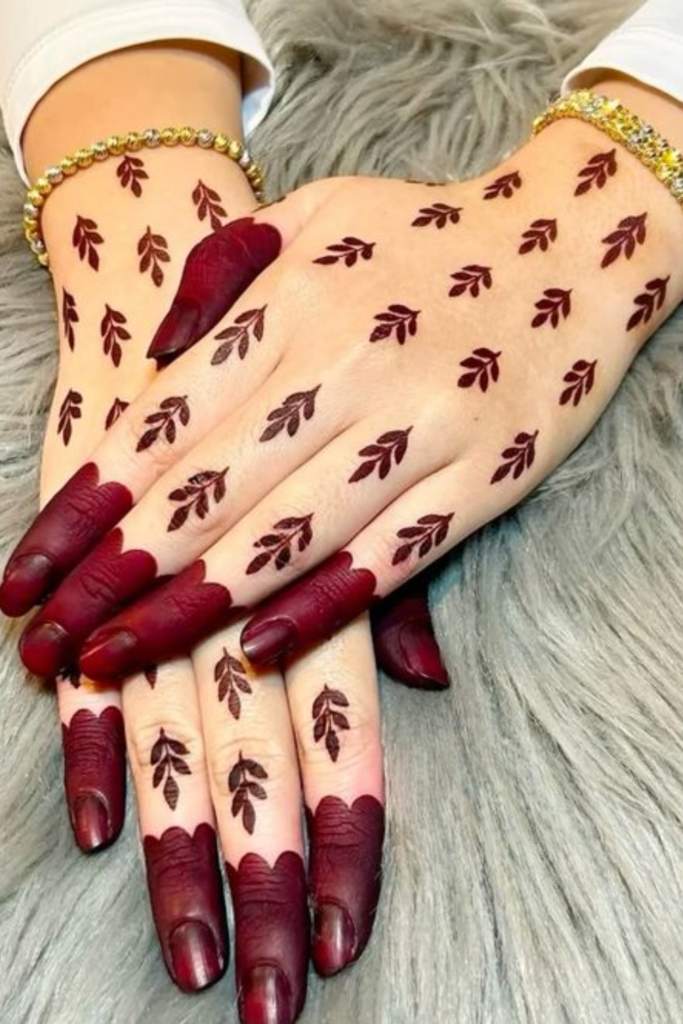
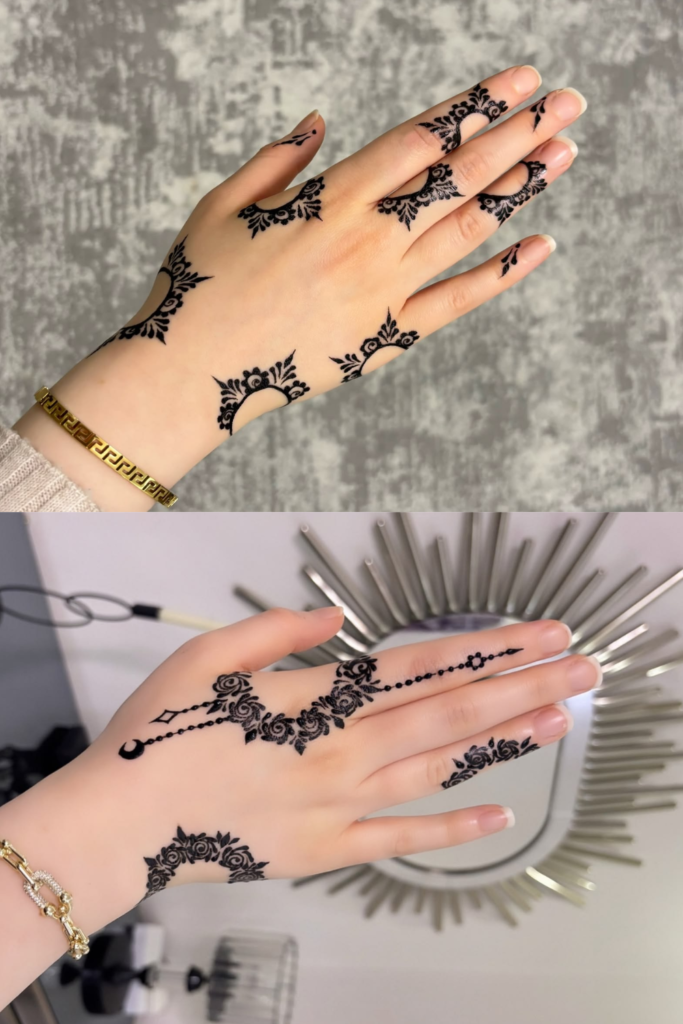
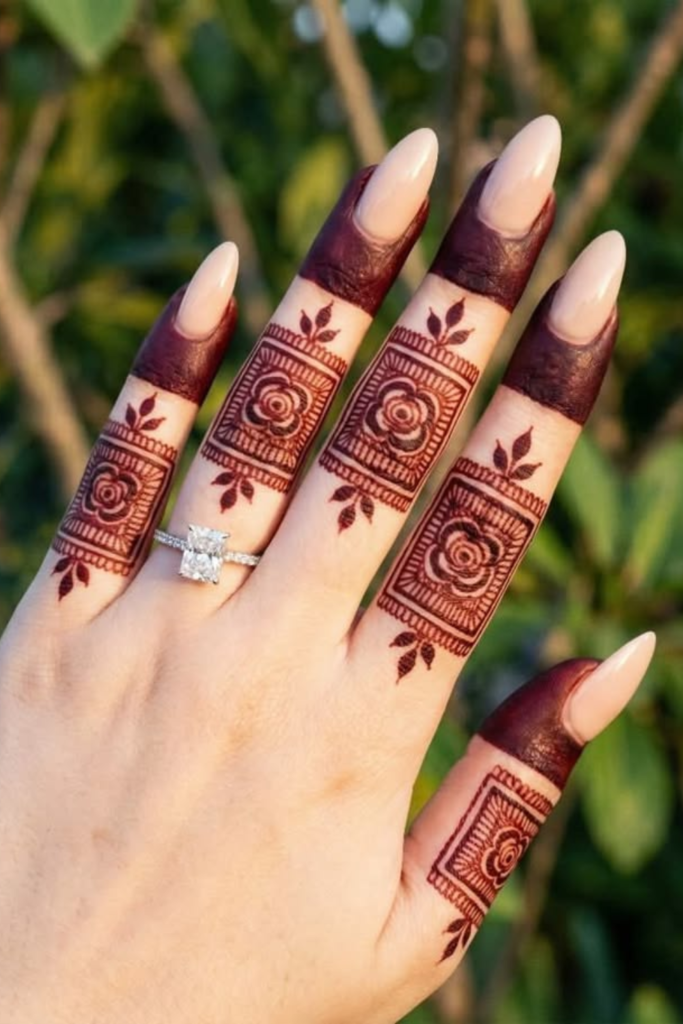
Arabic mehndi takes a bolder, more minimalist approach. Large floral motifs and flowing vines move across the hand with generous open space between elements, creating a sense of drama and modern elegance.
Source: Pinterest
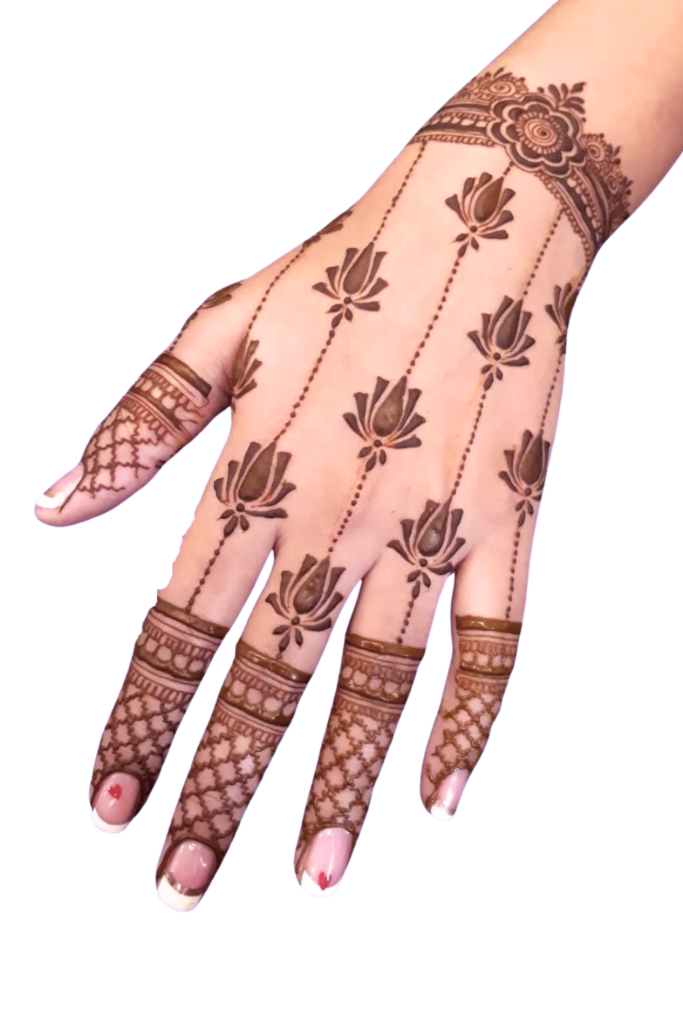
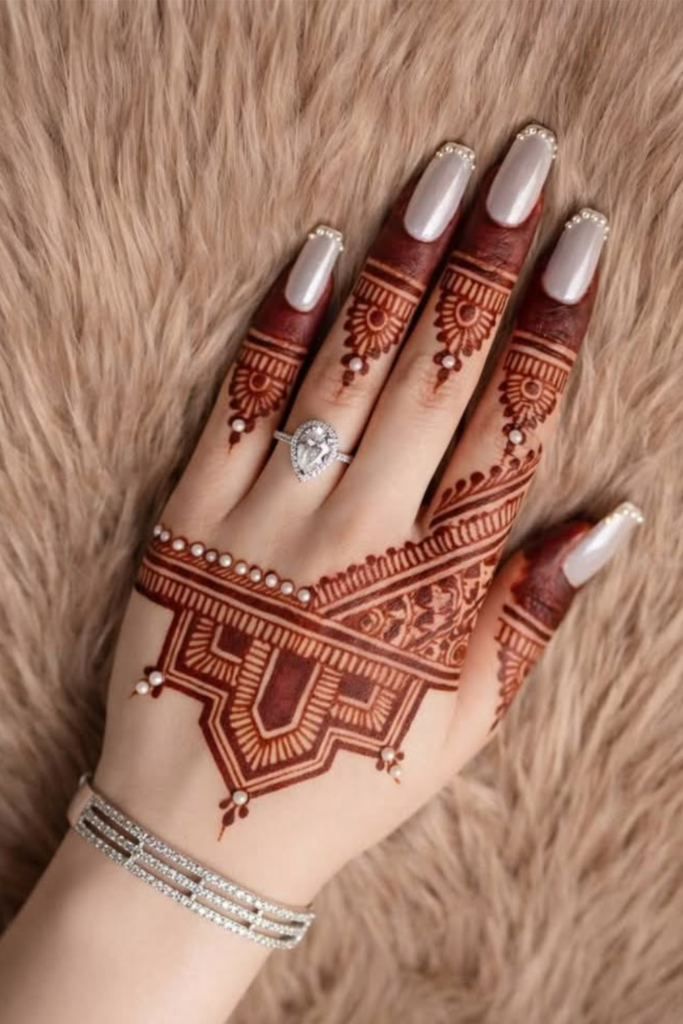
Indo-Arabic Fusion blends the intricate detailing of Rajasthani work with the open fluidity of Arabic design, offering a balanced composition that suits a wide range of occasions. It is currently the most widely practiced style globally.
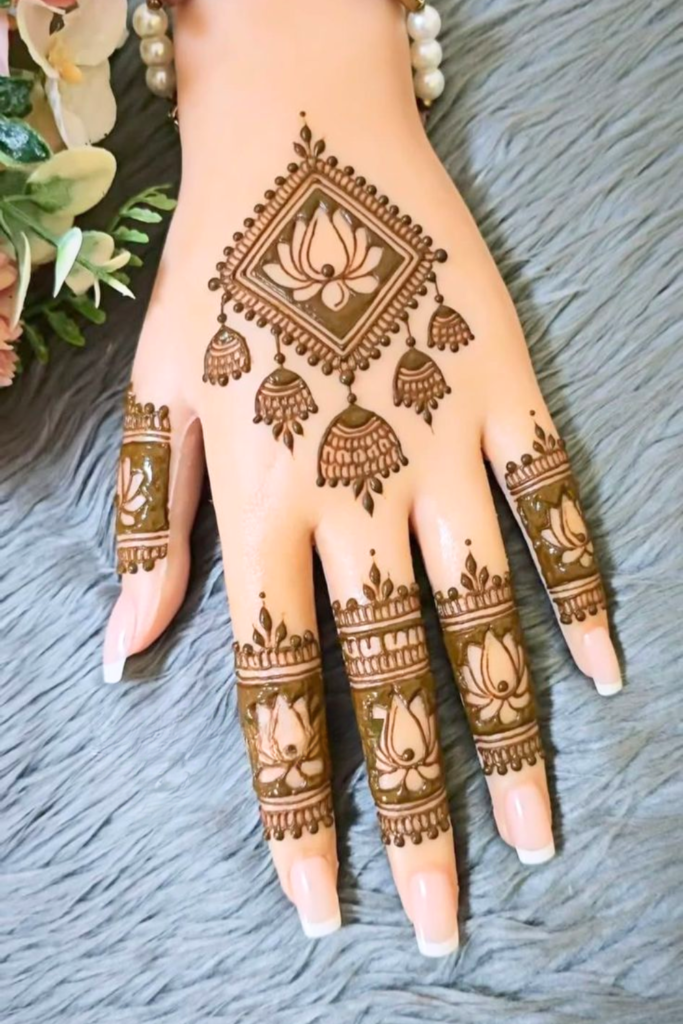
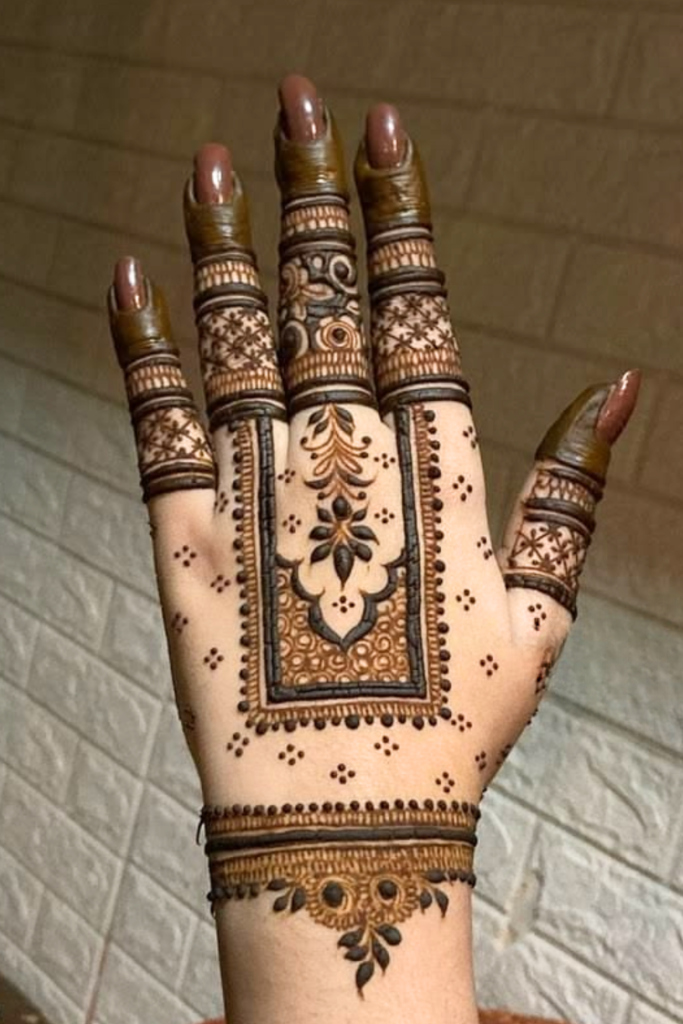
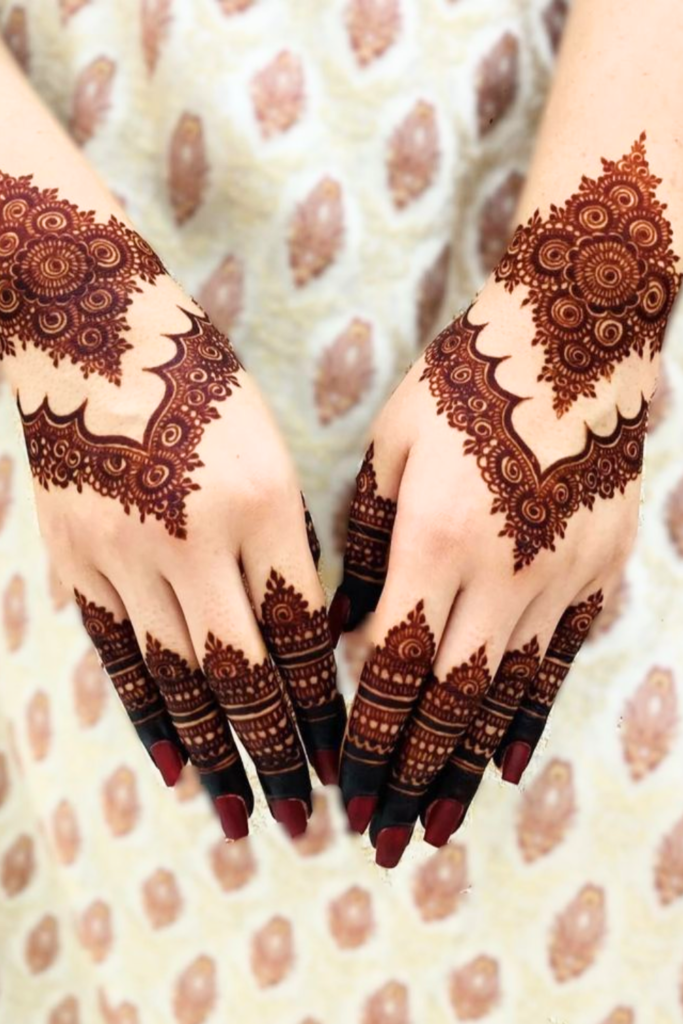
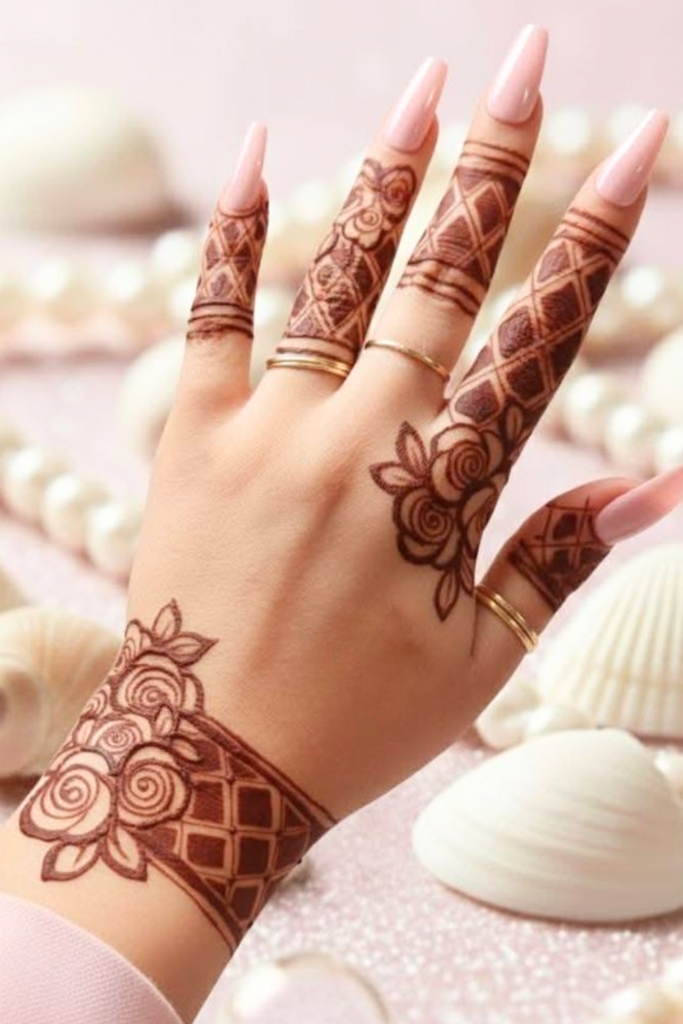
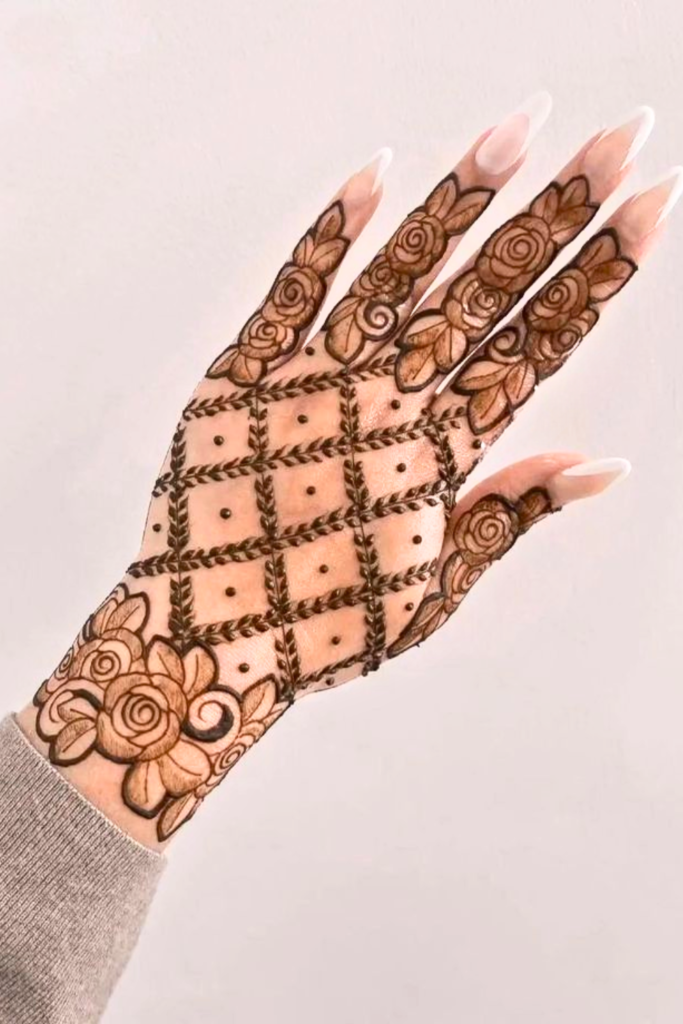
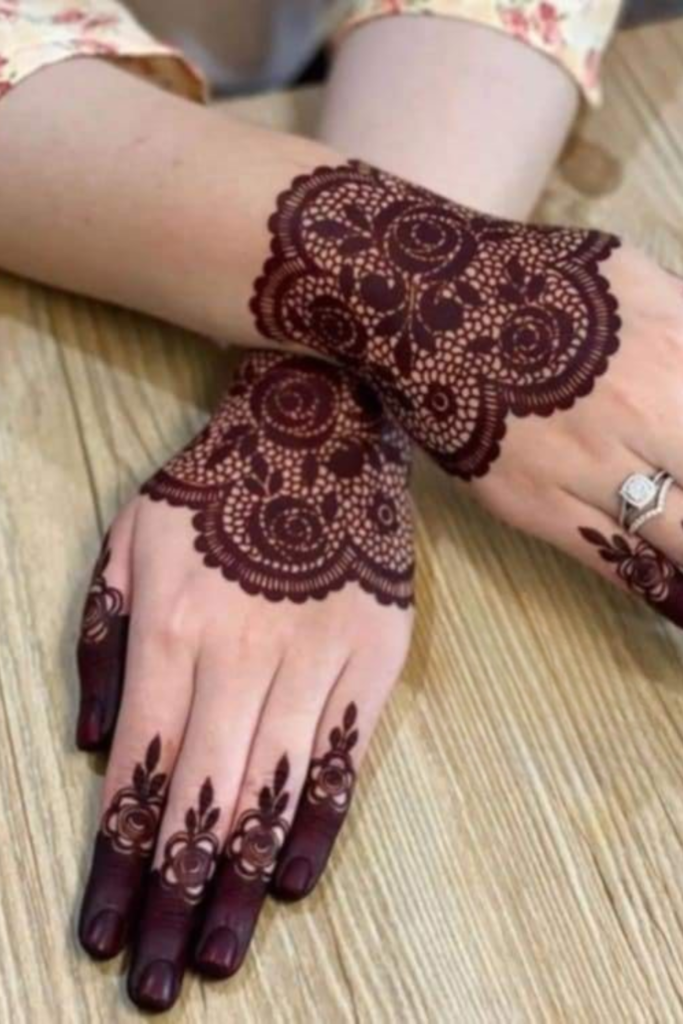
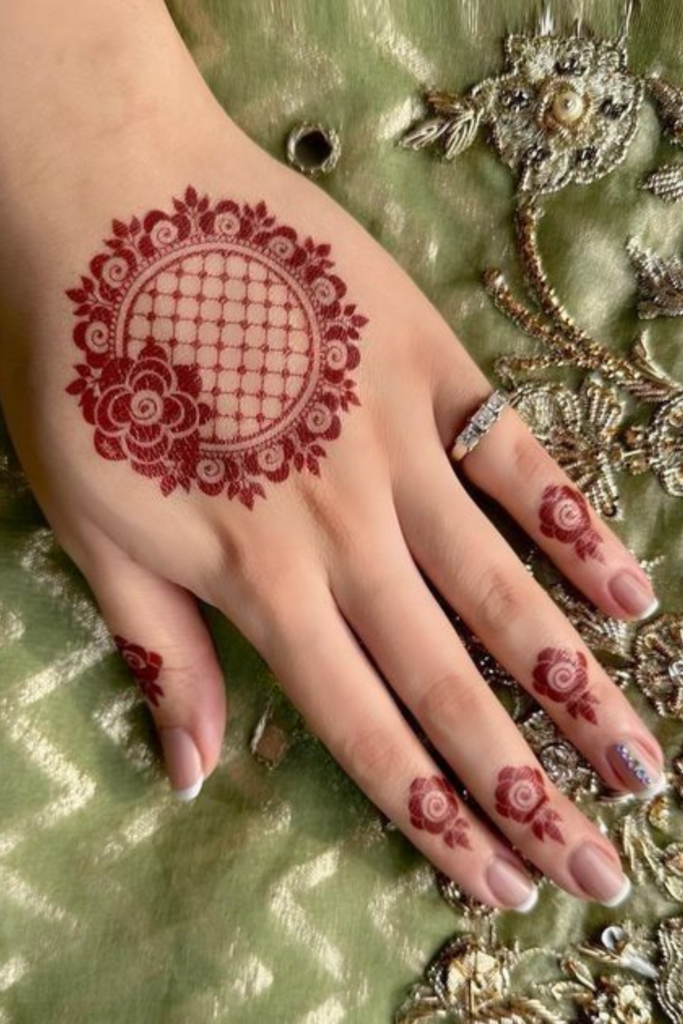
Pakistani mehndi features heavily filled roses, bold paisleys, and lush leafwork framed by fine border detailing a rich, generous style favored for bridal and festive occasions.
Source: Pinterest
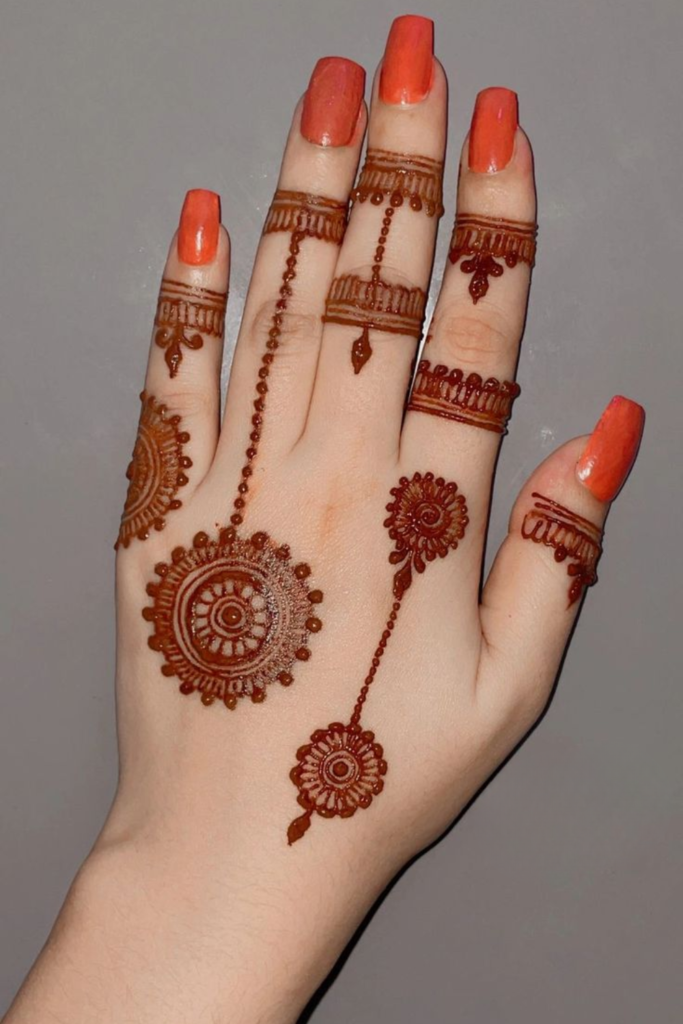
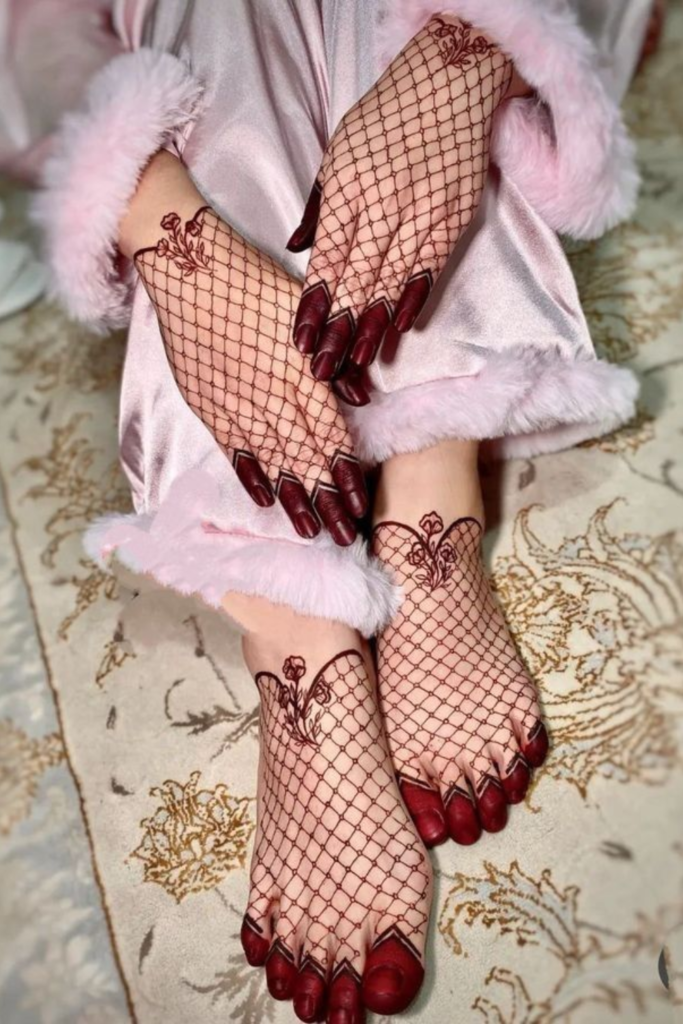
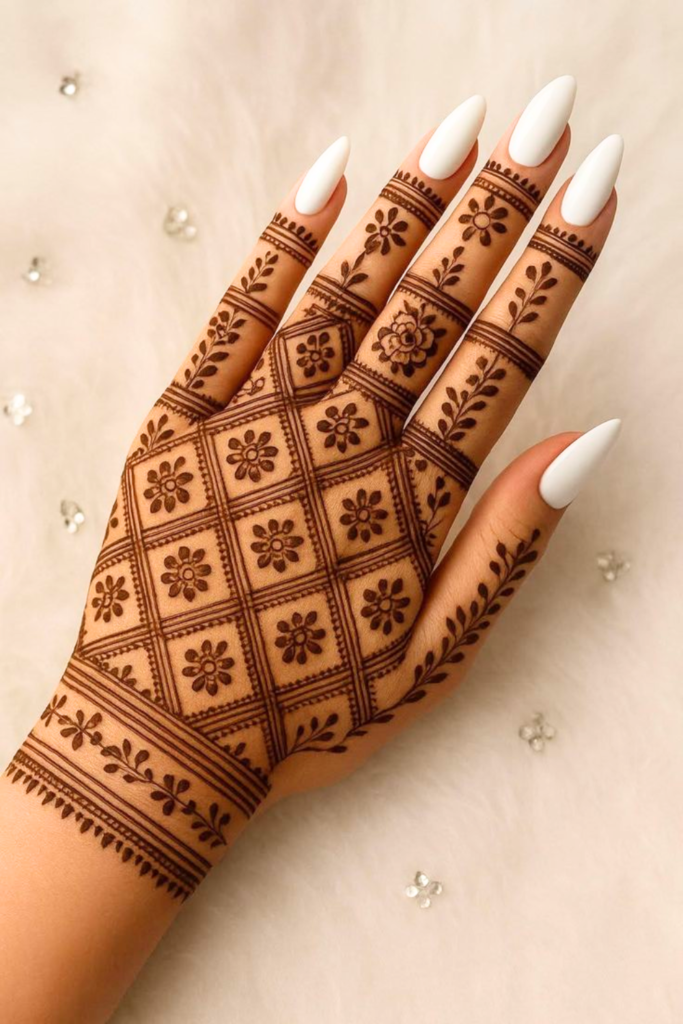
Moroccan mehndi is rooted in geometric tradition. Built on clean lines, diamonds, and repeating angular forms, it reflects the Islamic artistic heritage and carries a striking, structured aesthetic.
Source: Pinterest
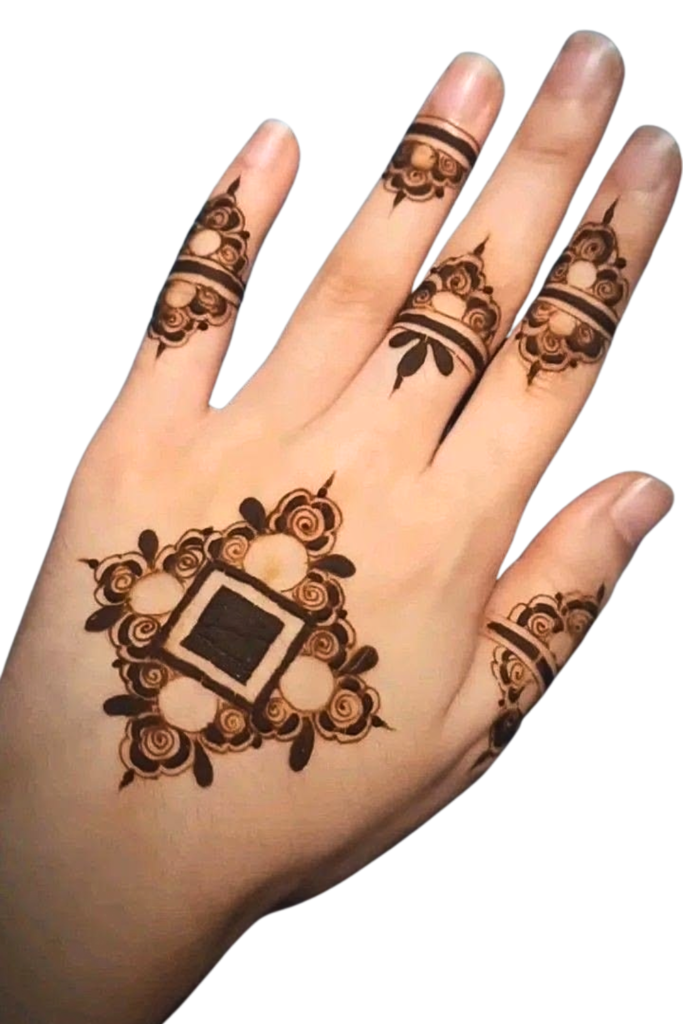
Symbolic Motifs
The motifs within mehndi carry layered cultural meaning. The paisley (keri) symbolizes fertility and continuity. The lotus represents purity and spiritual renewal. The peacock signifies grace and devotion. The mandala embodies wholeness and cosmic harmony. Vines and leaves denote growth and vitality, while geometric lattice patterns convey order and interconnection. These symbols give mehndi its deeper significance beyond pure decoration.
Bridal Mehndi
Bridal mehndi represents the pinnacle of the art form. Applied across the hands, forearms, and feet, it is designed as a complete visual composition, layered, story-driven, and deeply personal. Skilled artists incorporate symbolic elements referencing the couple, the ceremony, and family heritage. The design is meant to be worn as wearable art during one of the most important transitions in a person’s life.
Design Excellence: Key Principles
What separates exceptional mehndi from the ordinary is attention to craft. Fine hairline details paired with bold anchor motifs create visual depth. Clean, defined borders give the composition a finished, professional appearance. Strategic use of dots adds texture and liveliness without overcrowding. The overall design should demonstrate clear intentionality, a considered balance between density and space that makes the piece both striking at a distance and rewarding up close.
Occasions and Cultural Context
Mehndi is applied across a wide range of significant occasions, including weddings, Eid celebrations, Diwali, Teej, Navratri, and Karva Chauth. In recent years, it has also gained international presence at fashion events, cultural festivals, and as a personal art practice embraced by enthusiasts worldwide.
Aftercare
To achieve optimal color development, mehndi paste should remain on the skin for a minimum of four to six hours, ideally overnight. The design will deepen from orange to a rich warm brown within 24 to 48 hours of removal. Avoiding water exposure during this period significantly enhances the final result. With proper care, a well-applied design remains vibrant for one to three weeks.
Conclusion
Aesthetic mehndi design occupies a unique position at the intersection of cultural heritage and contemporary artistic expression. Its enduring appeal lies in its ability to be both deeply traditional and endlessly innovative, a discipline that has evolved across millennia without losing its essential meaning. For practitioners and admirers alike, mehndi remains a testament to the power of skilled, intentional artistry applied to the most intimate of canvases: the human form.