
Introduction
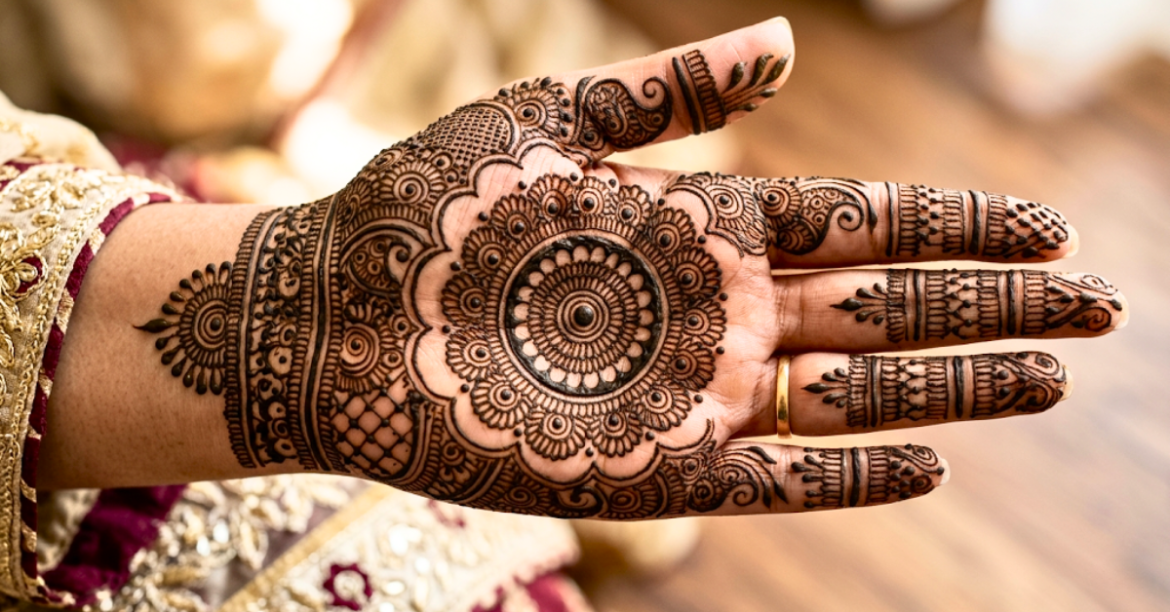
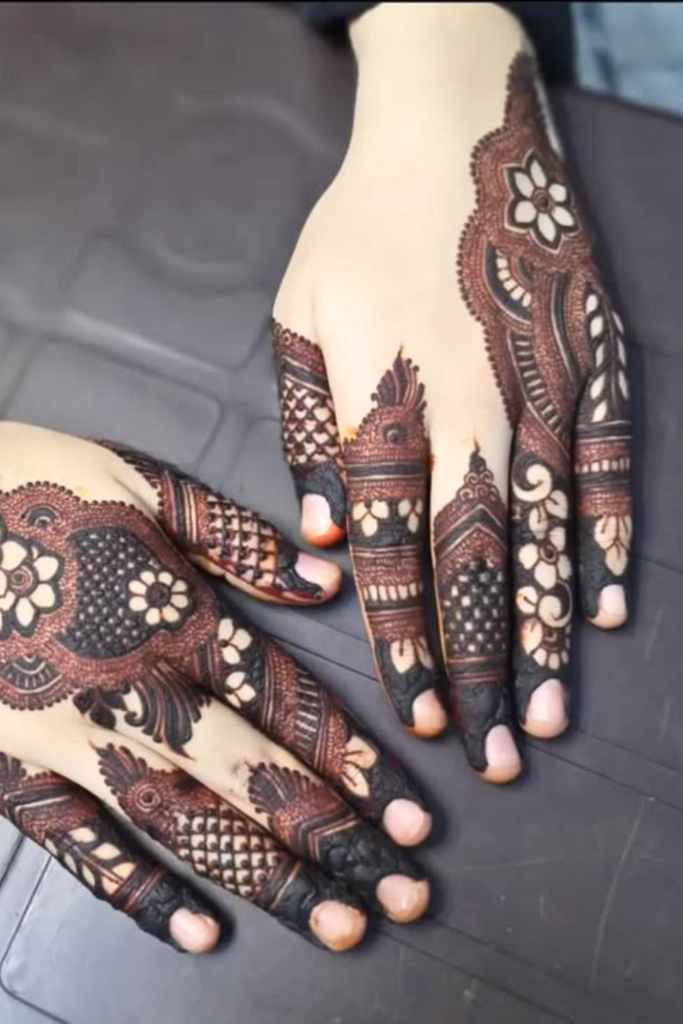
Pakistani mehndi design, commonly known as henna, is one of the most cherished art forms in Pakistani culture, with a history spanning over 5,000 years. Refined under Mughal influence and shaped by Punjabi, Sindhi, Balochi, and Pashtun traditions, it became a defining symbol of Pakistani identity after 1947. It holds deep cultural and spiritual meaning, most notably through the Mehndi Rasam. At this vibrant pre-wedding ceremony, intricate henna is applied to the bride’s hands and feet amid music and celebration. Beyond weddings, it remains central to Eid festivities on Chand Raat, making Mehndi a timeless expression of heritage, identity, and feminine grace.
Popular Styles of Pakistani Mehndi
Pakistani mehndi (henna) is celebrated for its intricate details, deep staining, and the way it balances traditional patterns with modern elegance. It often bridges the gap between the bold, thick lines of Arabic styles and the dense, fine-lined intricacy of Indian Rajasthani designs.
Here are the most popular styles of Pakistani mehndi:
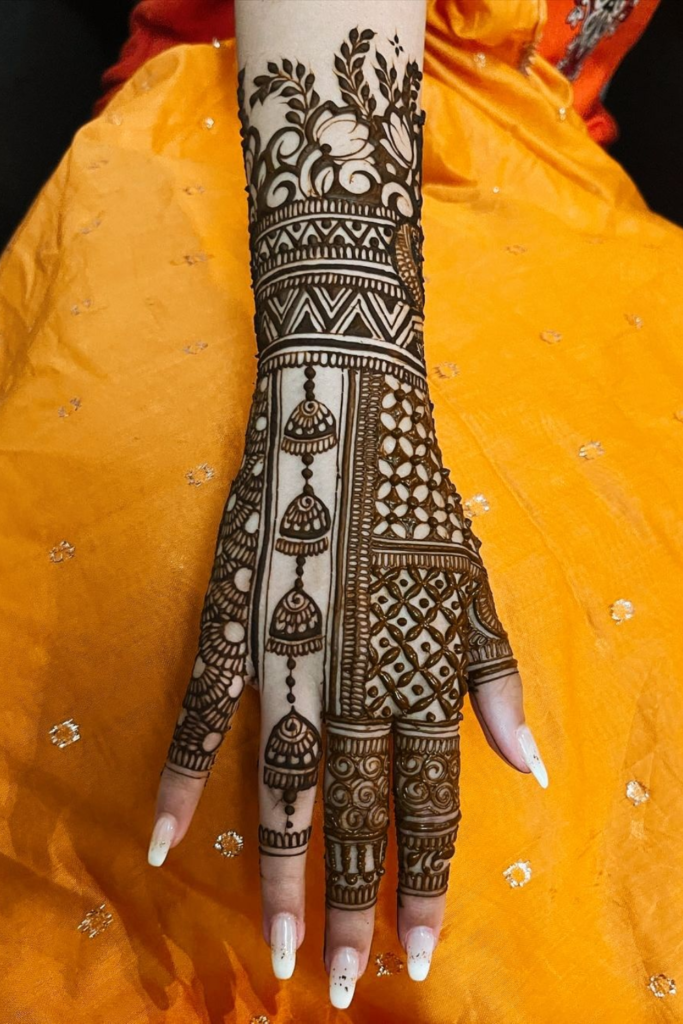
1. Traditional Pakistani Mehndi
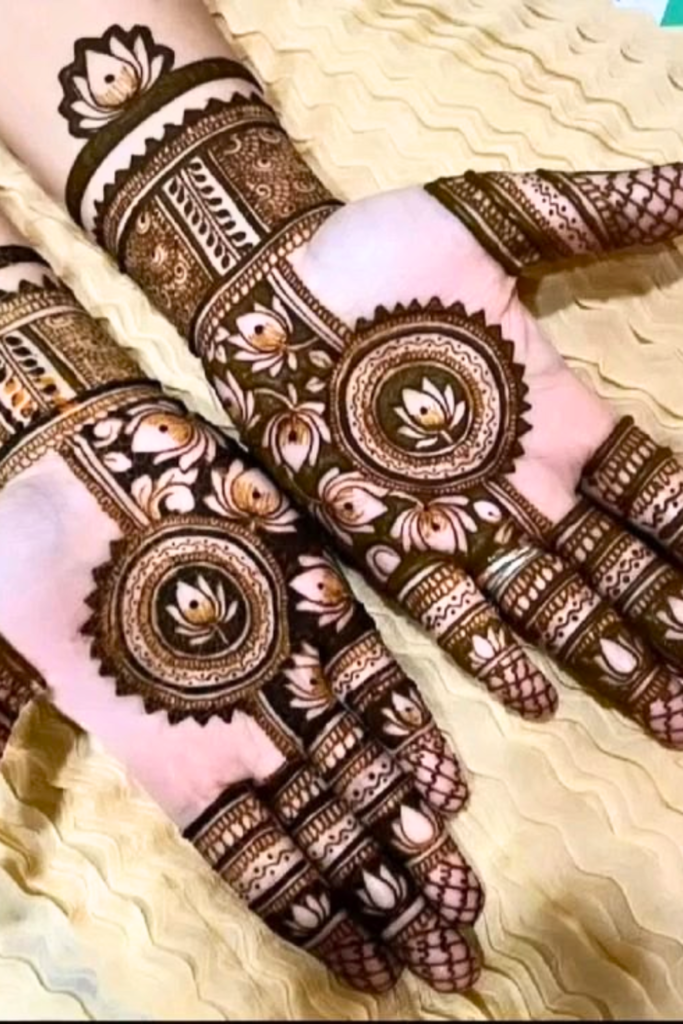
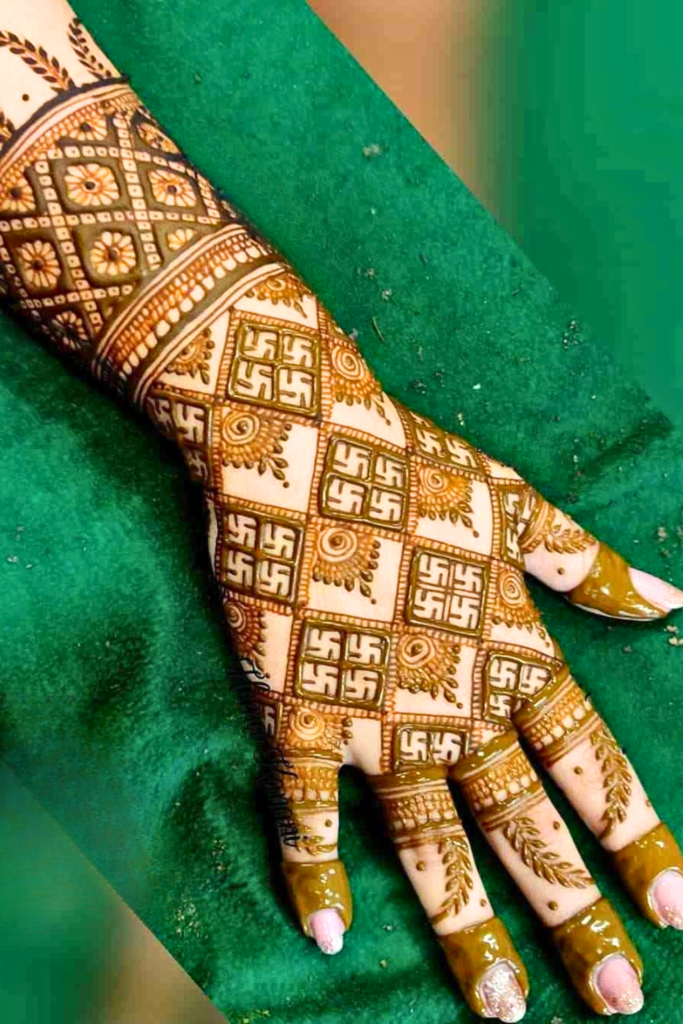
Traditional Pakistani Mehndi is the most classic and time-honored style, featuring the heaviest and most detailed coverage. It remains the definitive choice for brides, with dense patterns covering the entire hand and forearm in rich, dark henna.
2. Arabic-Pakistani Fusion Mehndi
This style beautifully blends the bold floral elements of Pakistani design with the flowing openness of Arabic henna. The result is an elegant, modern look that appeals to brides who desire a refined yet culturally rooted aesthetic.
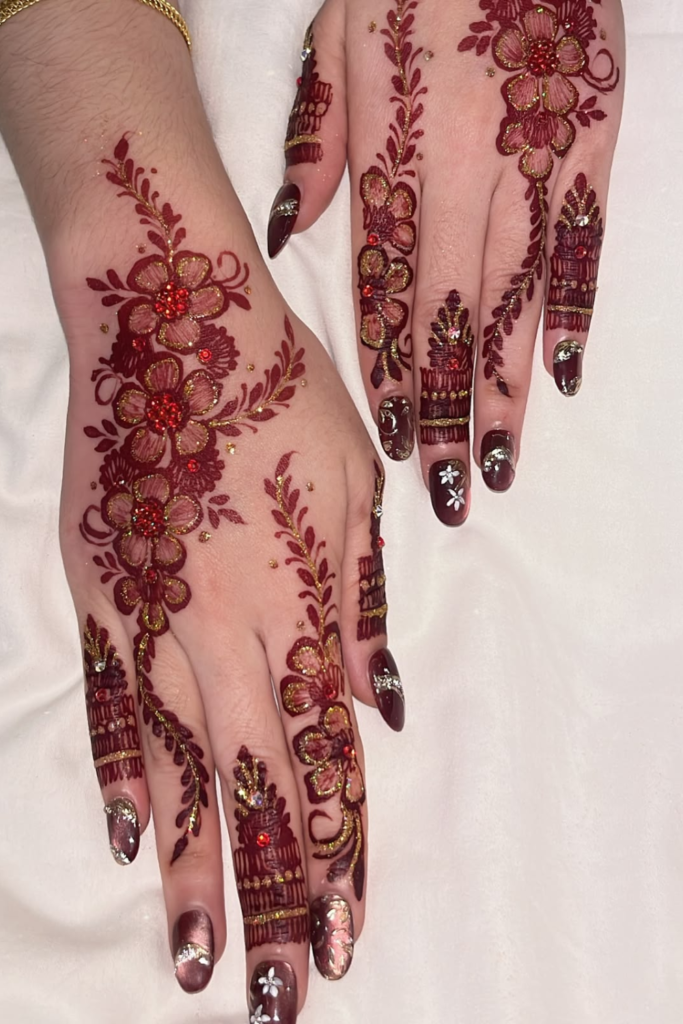
3. Glitter and Embellished Mehndi
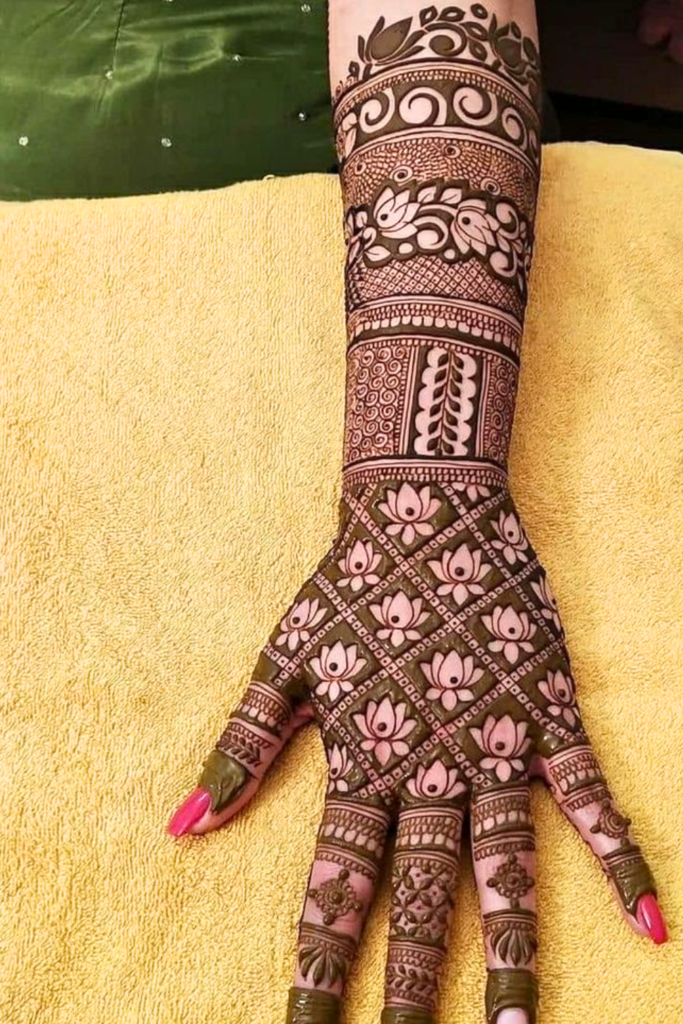
A thoroughly contemporary evolution, this style incorporates rhinestones, gold foil, and colored accents over traditional henna patterns. It creates a glamorous, jewel-like effect that is especially popular at weddings and festive celebrations.
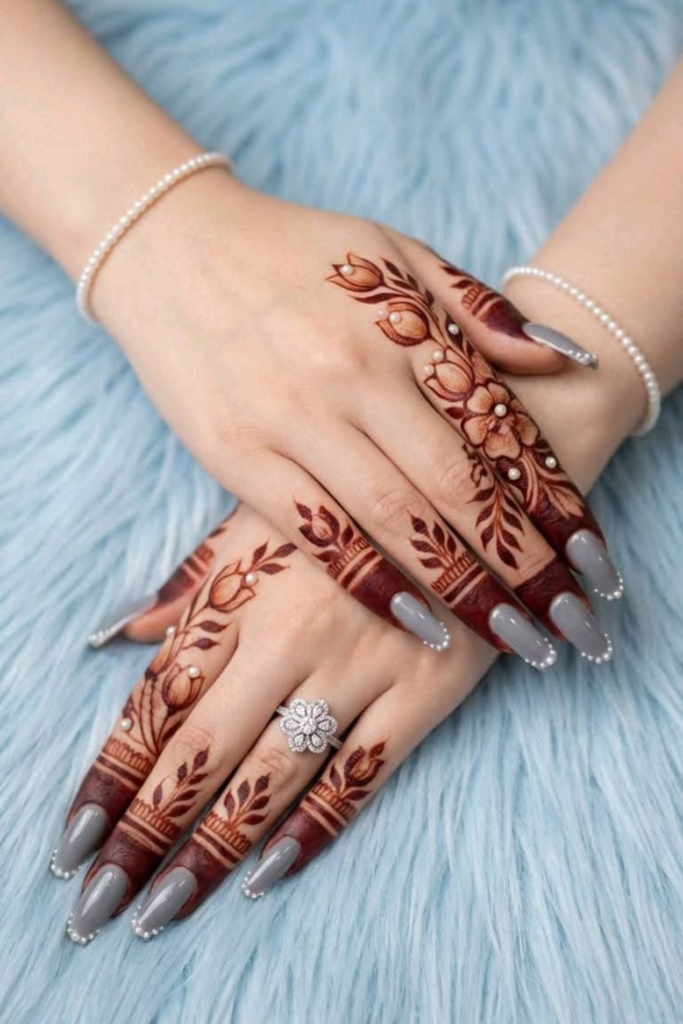
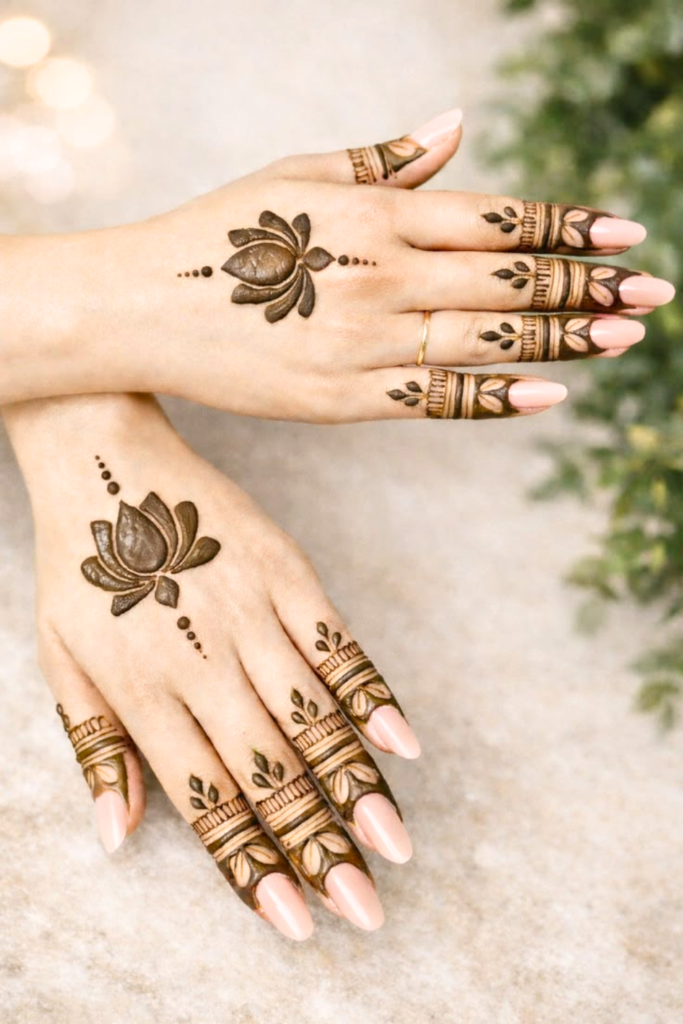
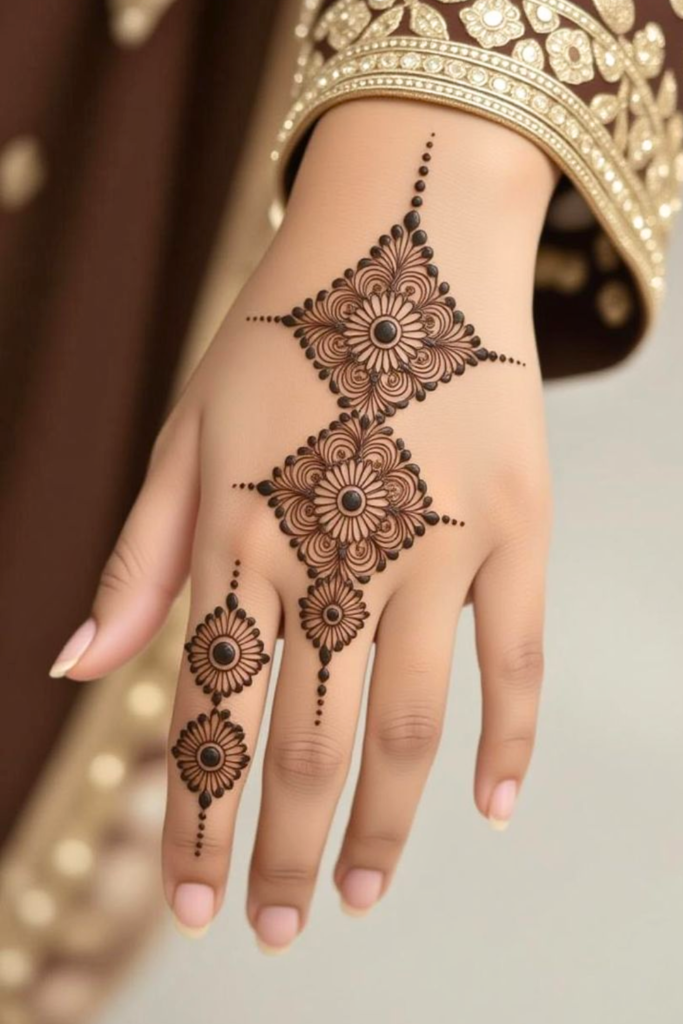
4. Minimalist Pakistani Mehndi
Increasingly favored by younger women, minimalist Mehndi features sparser, more open compositions that feel fresh and modern. While lighter in coverage, it stays true to traditional Pakistani motifs and cultural identity.
Regional Variations of Pakistani Mehndi Design
Mehndi in Pakistan is not a monolithic art; it changes as you move through the provinces, influenced by local crafts like pottery, embroidery, and architecture. While modern “urban” styles are blending together, distinct regional variations still exist.
Here is a breakdown of the regional variations of Pakistani mehndi designs:
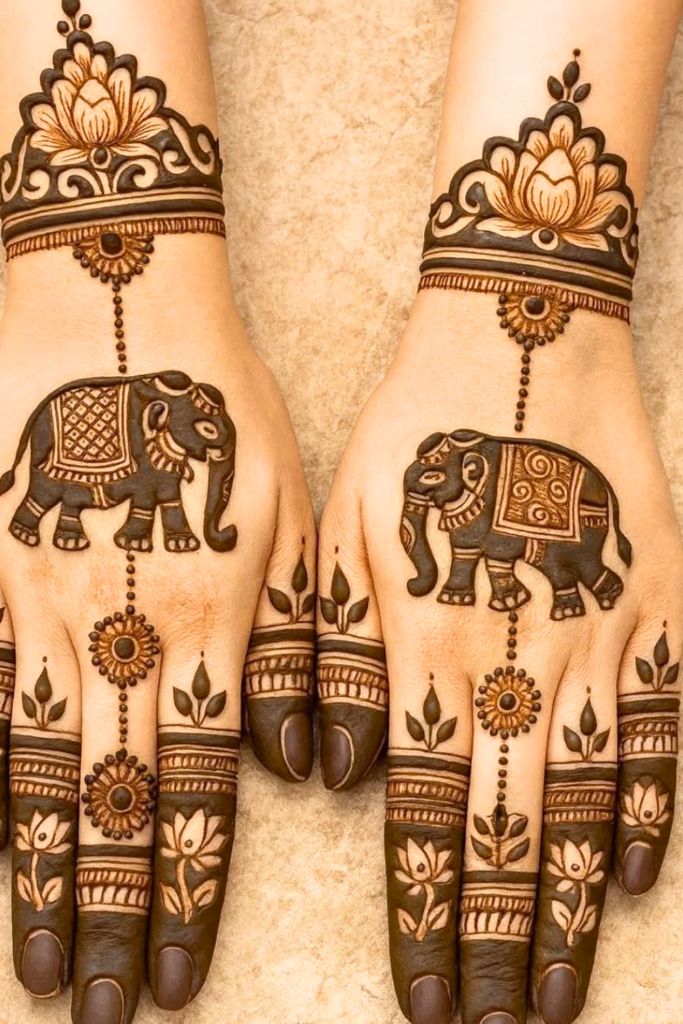
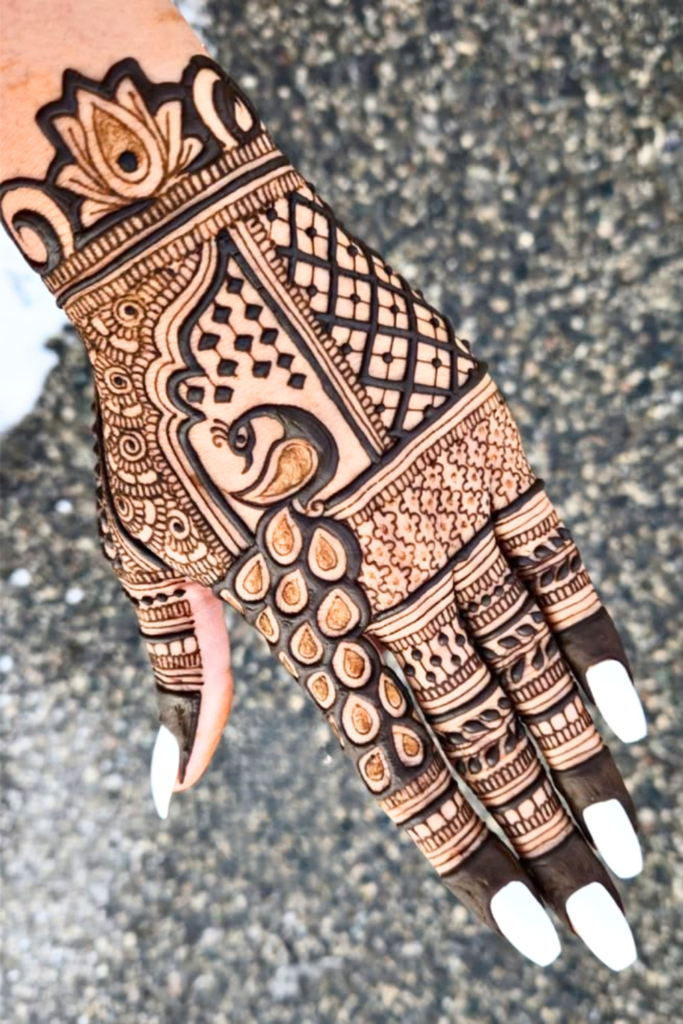
1. Punjabi Mehndi Design
Punjabi Mehndi is bold, dark, and deeply festive in character. Ceremonies are lively and joyful, accompanied by traditional dholki music, making the Mehndi experience as celebratory as the design itself.
2. Sindhi Mehndi Design
Sindhi Mehndi carries the distinct influence of the region’s rich artistic heritage. Its designs incorporate geometric patterns inspired by the famous ajrak textile art, giving it a unique and culturally significant visual identity.
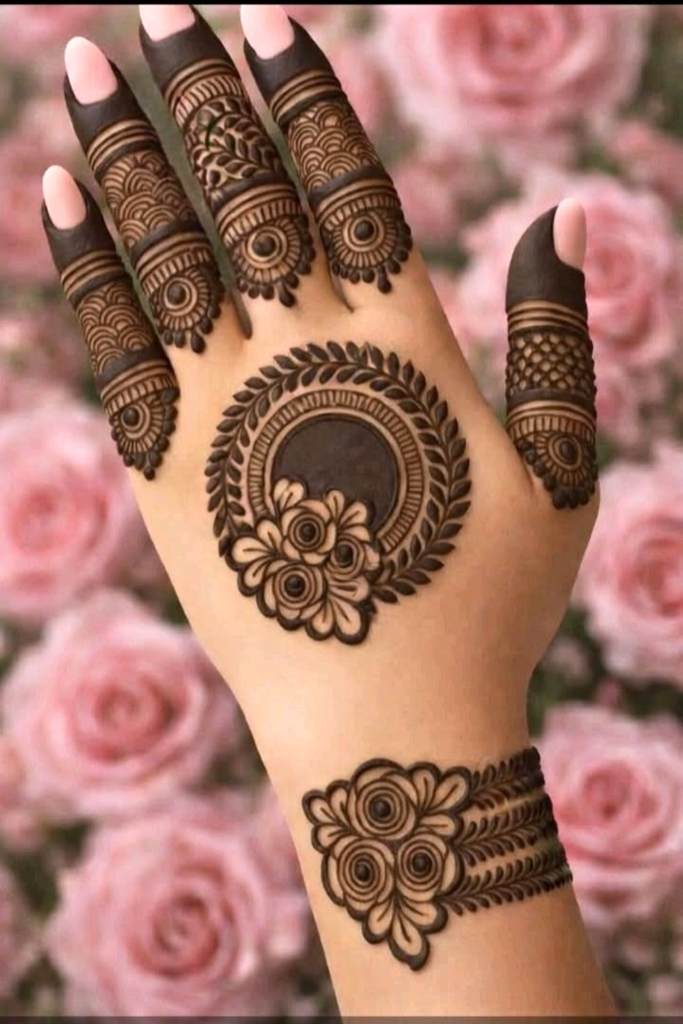
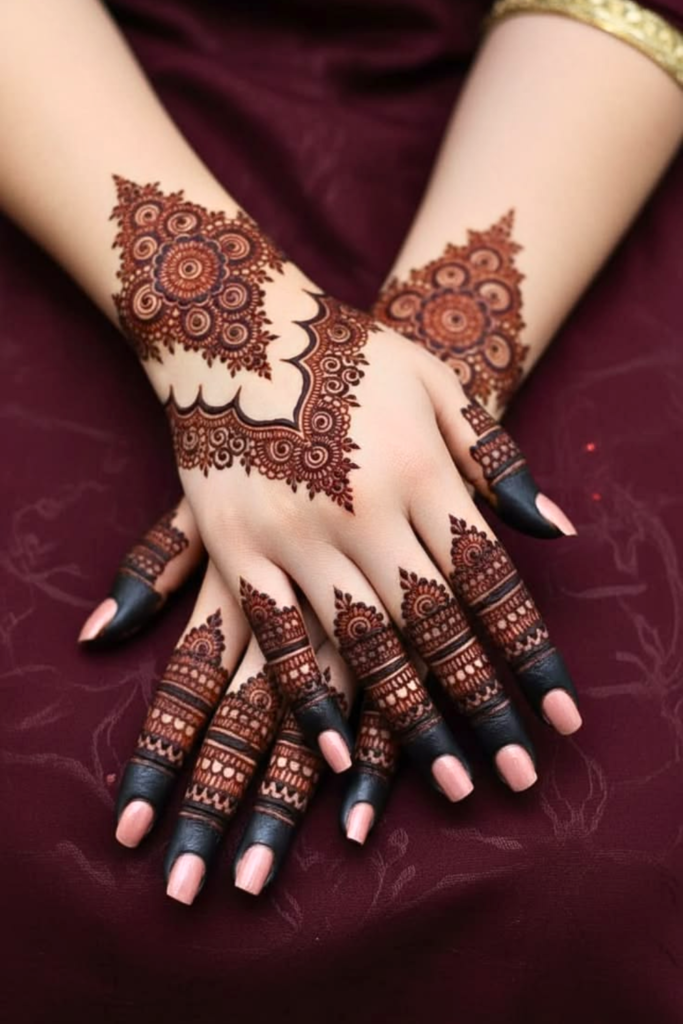
3. Balochi Mehndi Design
Rooted in the tribal traditions of Balochistan, Balochi Mehndi is characterized by striking geometric patterns and bold, symmetrical motifs that reflect the region’s ancient folk art and nomadic heritage.
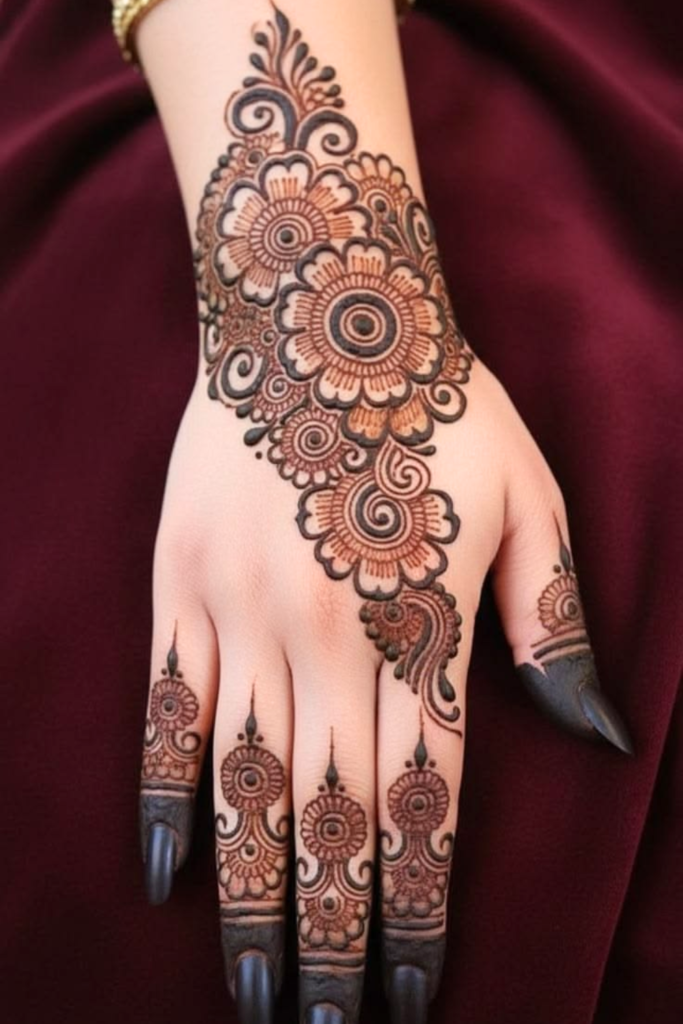
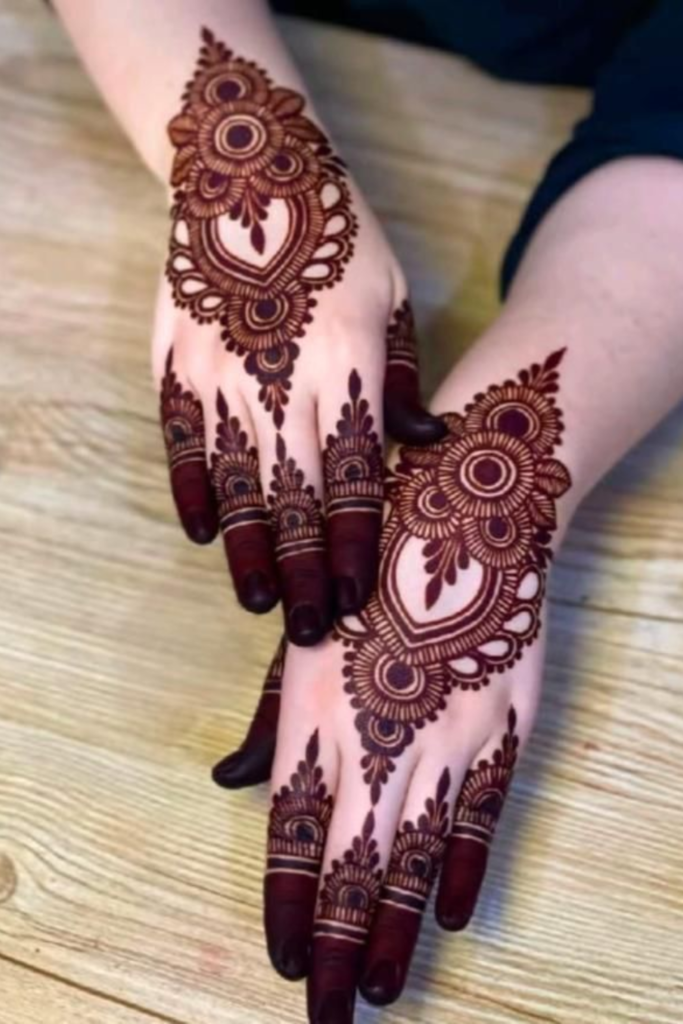
4. Pashtun Mehndi Design
Pashtun Mehndi is simpler and more restrained in its design approach, yet carries profound cultural and ceremonial significance. Its understated elegance reflects the values and traditions deeply embedded in Pashtun culture.
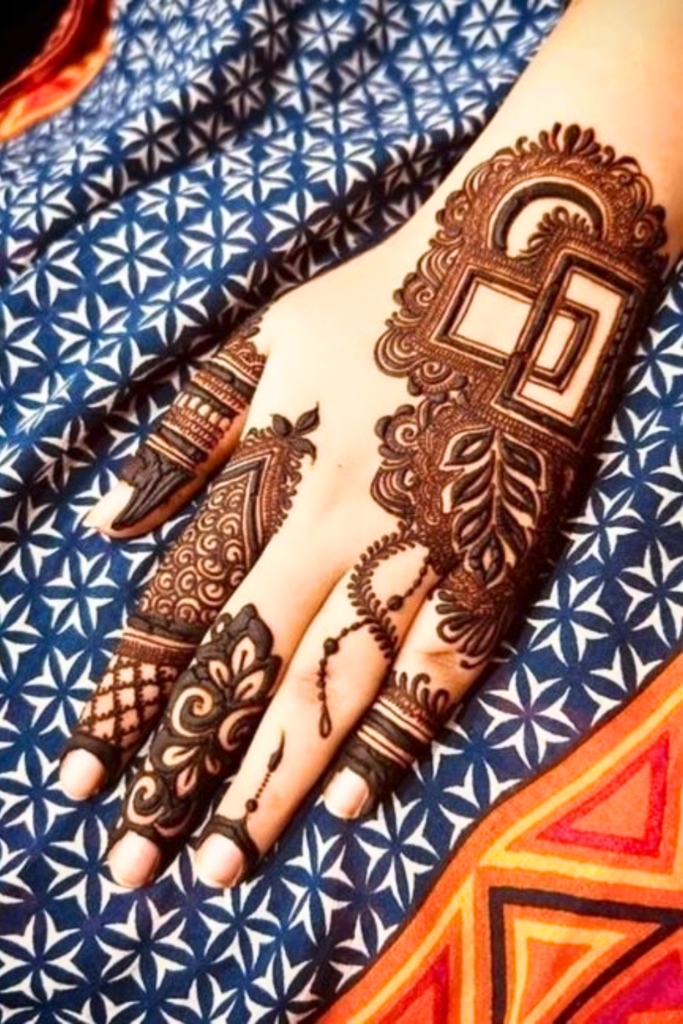
Conclusion
Pakistani Mehndi is far more than body art; it is a celebration of culture, memory, and identity. Every intricate pattern carries within it the creativity and love of generations of artists and families. As Pakistan evolves and its diaspora spreads across the world, Mehndi endures as a powerful thread connecting people to their roots. Ancient in origin yet constantly evolving, Pakistani Mehndi remains as captivating and meaningful today as it has ever been, one beautiful design at a time.