
Introduction
Ramzan (Ramadan) is the holiest month in the Islamic calendar, a time of fasting, prayer, reflection, and spiritual renewal. Across South Asia, the Middle East, and beyond, women adorn their hands and feet with intricate ramzan mehndi designs patterns during this sacred month, transforming the ritual into a celebration of faith, femininity, and artistic heritage.
The Cultural Significance of Mehndi During Ramzan
Mehndi has been an integral part of Muslim and South Asian culture for centuries. Its use during Ramzan is deeply symbolic. In many households, applying mehndi is considered a Sunnah, an act inspired by the practices of the Prophet Muhammad (PBUH), and is seen as a way of beautifying oneself in a modest, spiritually meaningful manner.
Popular Ramzan Mehndi Design Styles
1. Arabic Mehndi Designs
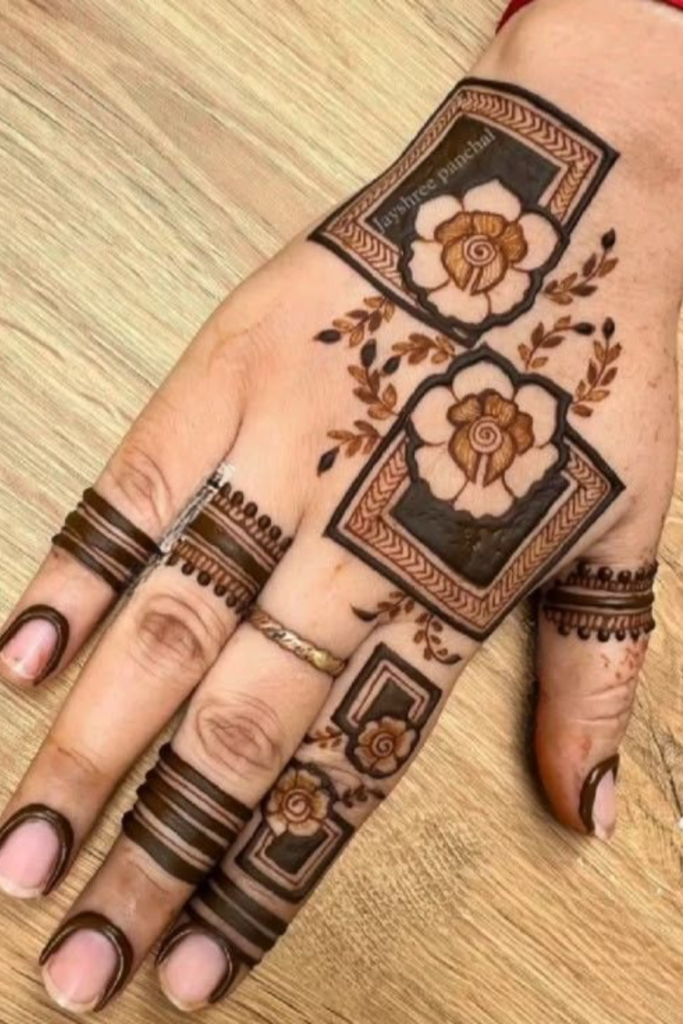
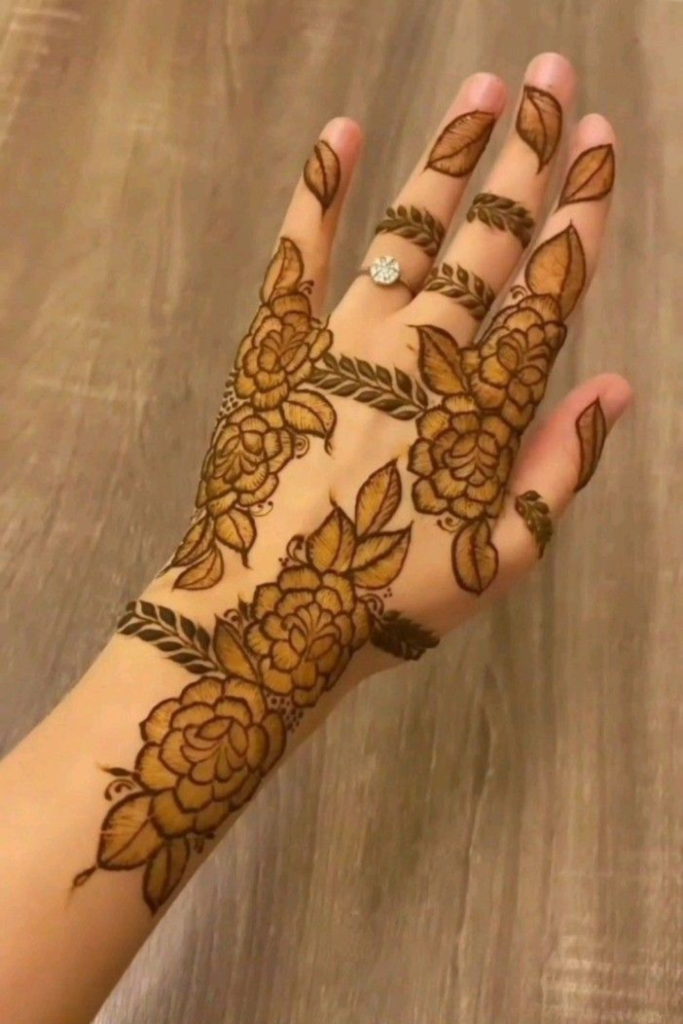
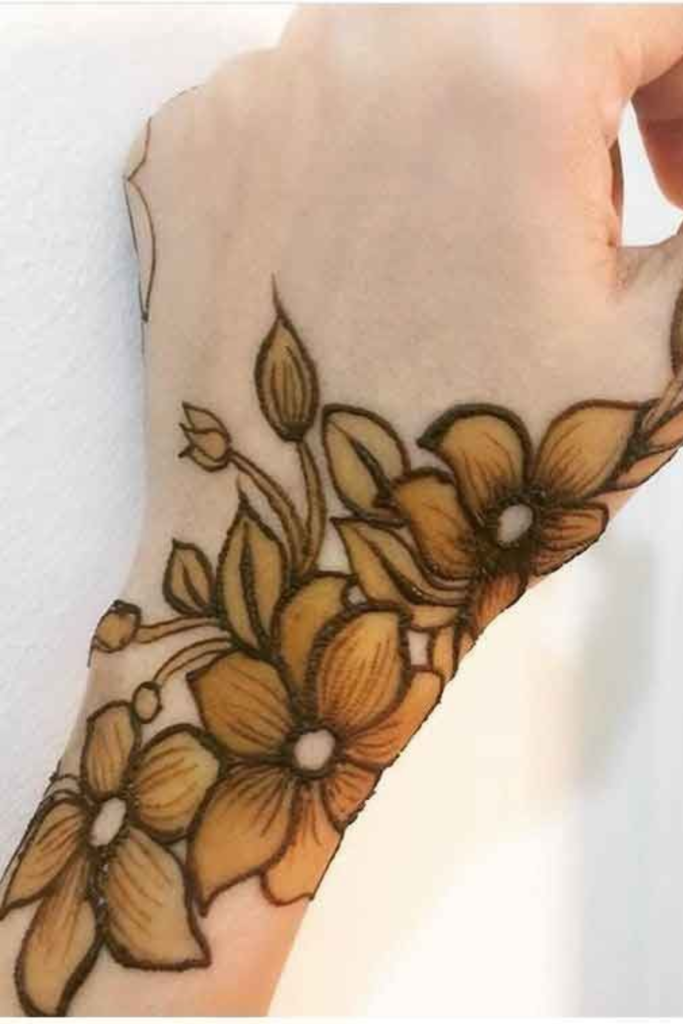
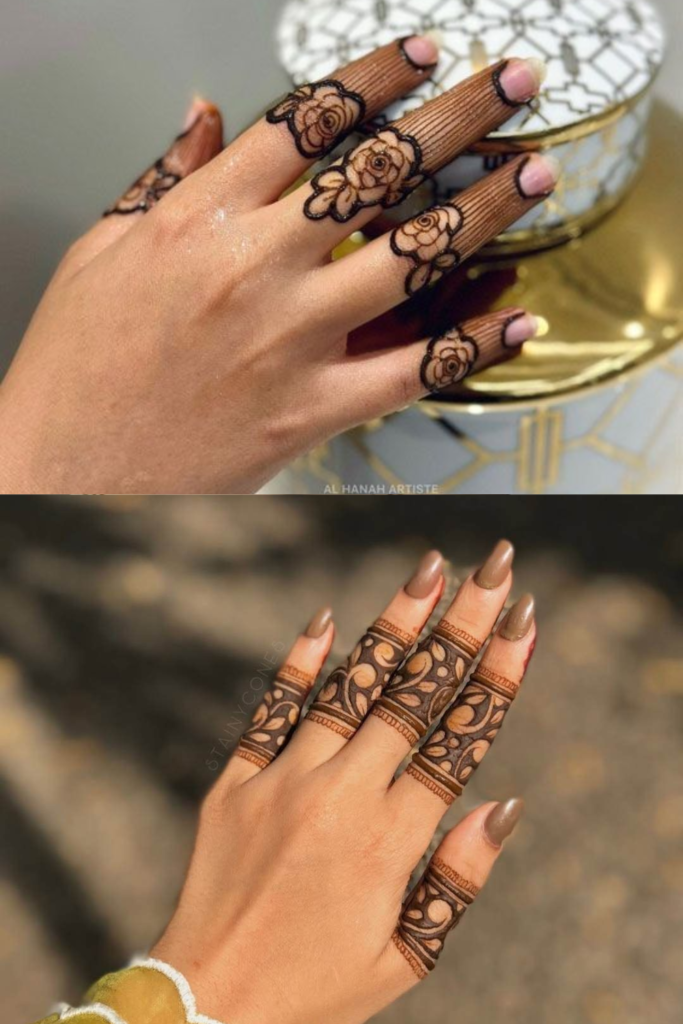
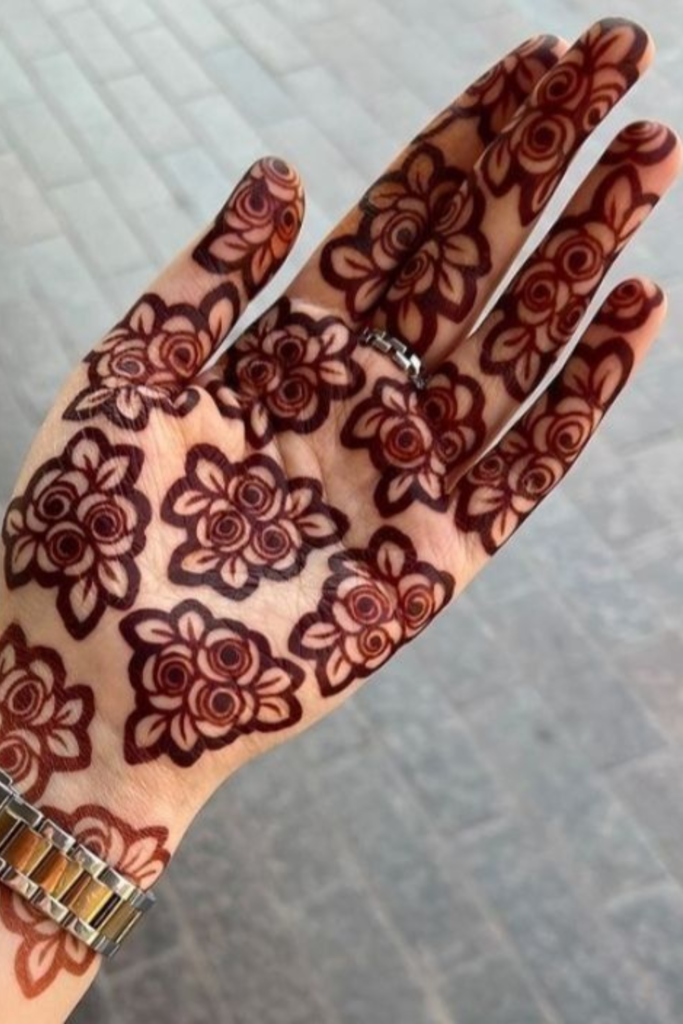
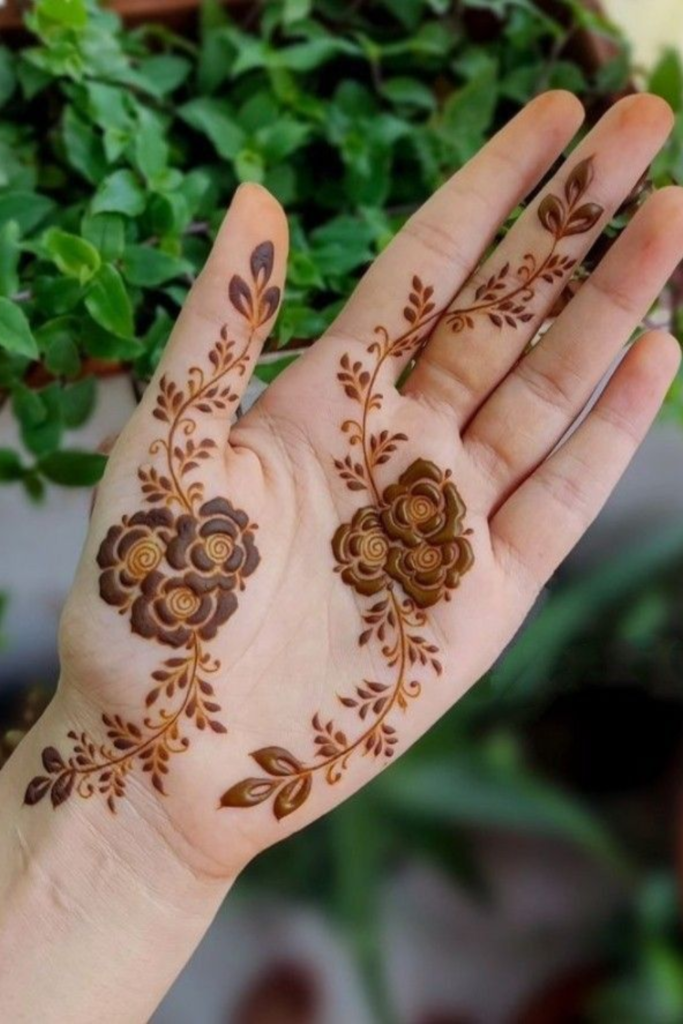
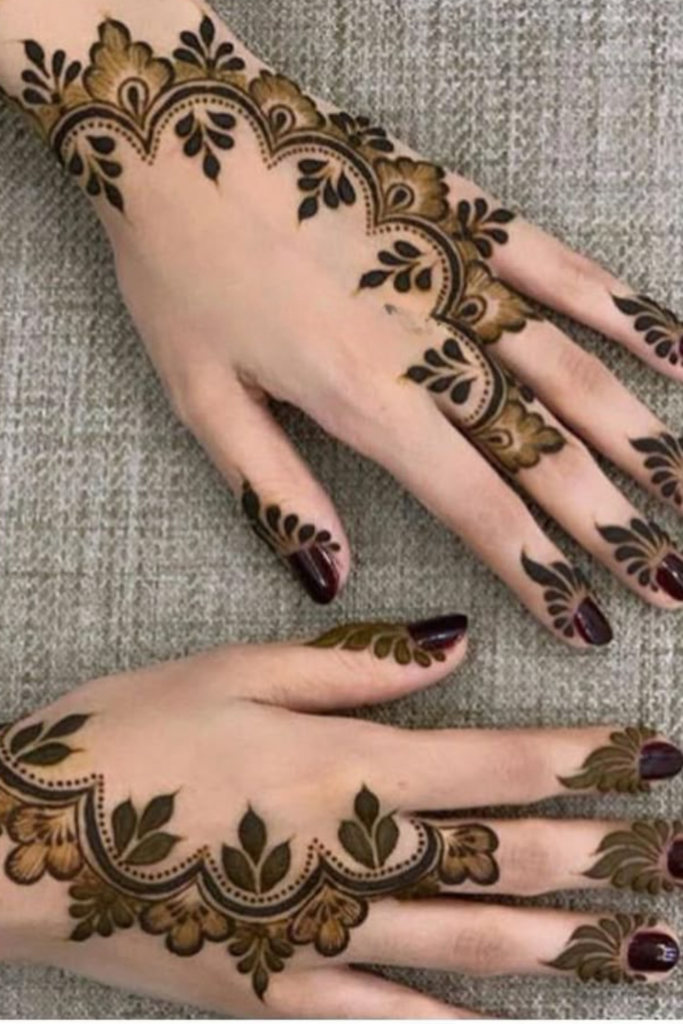
Arabic mehndi designs is perhaps the most popular style during Ramzan, loved for its bold floral motifs, sweeping vines, and generous use of negative space. Unlike the finely detailed Arabic designs feature larger, more free flowing patterns that are quicker to apply yet visually stunning. Common elements include large roses, leaves, teardrops, and geometric shapes that gracefully travel from the fingertips to the wrist or forearm.Arabic mehndi designs is particularly favored in Gulf countries and is widely celebrated for its elegant, modern aesthetic that suits both traditional and contemporary fashion sensibilities
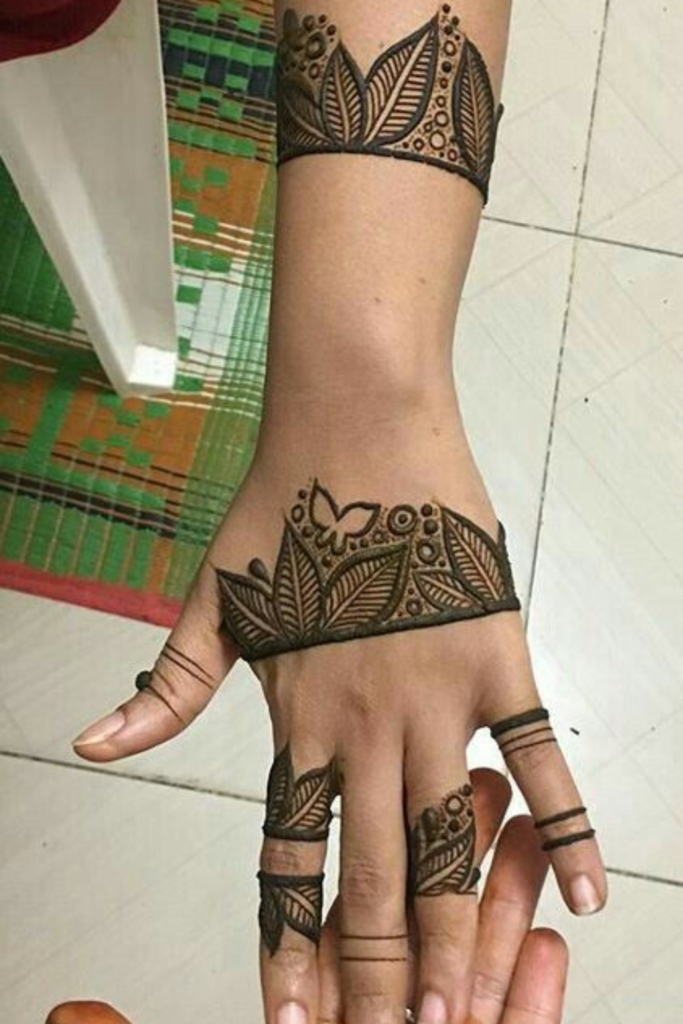
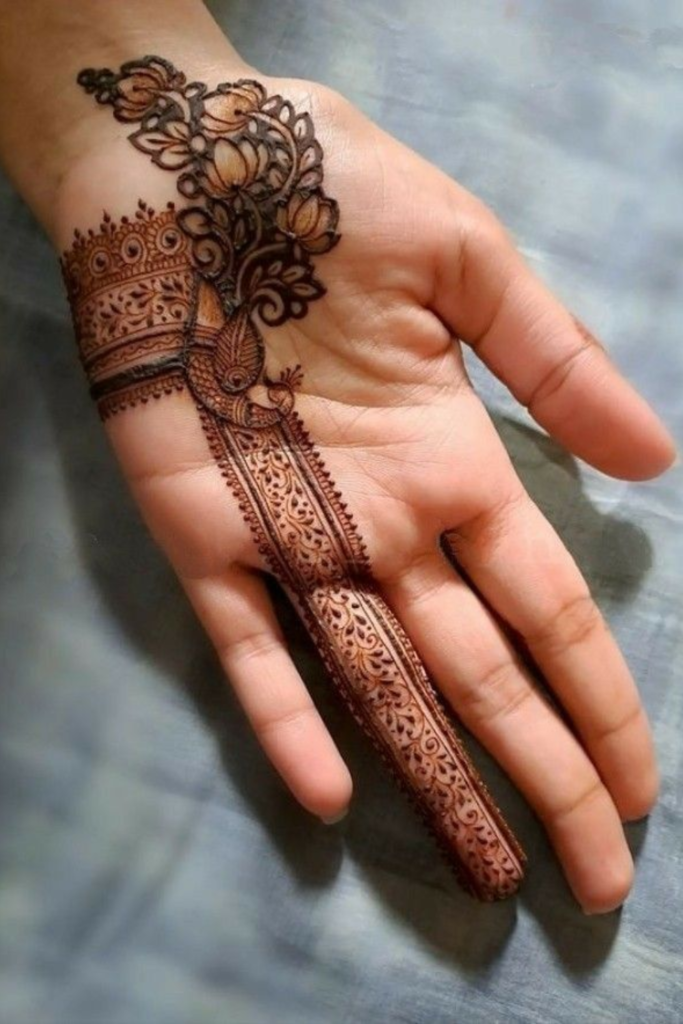
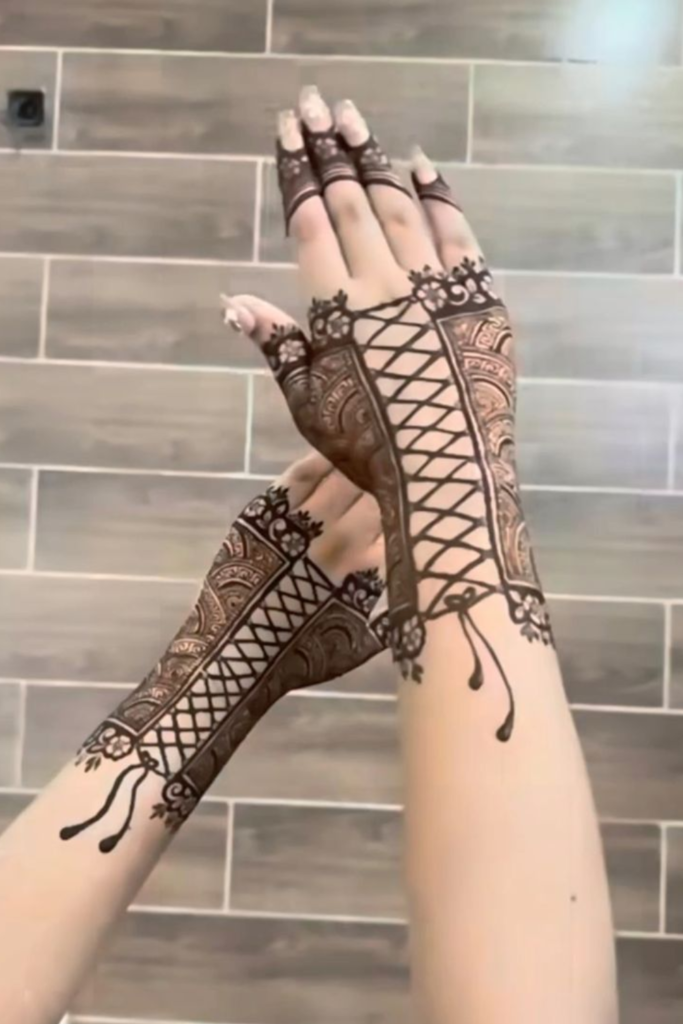
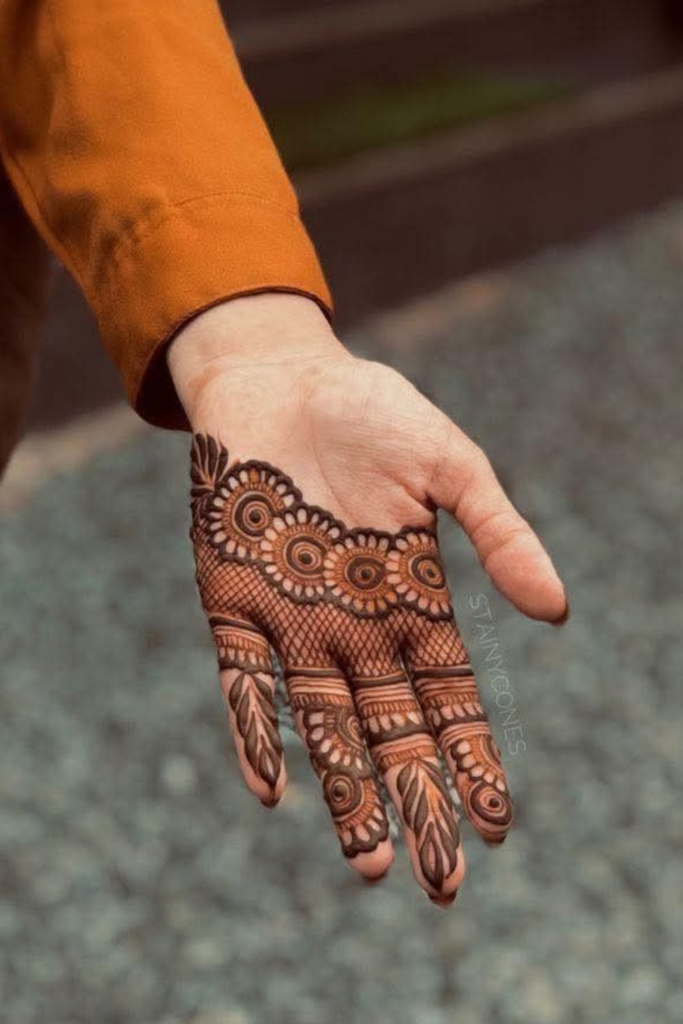
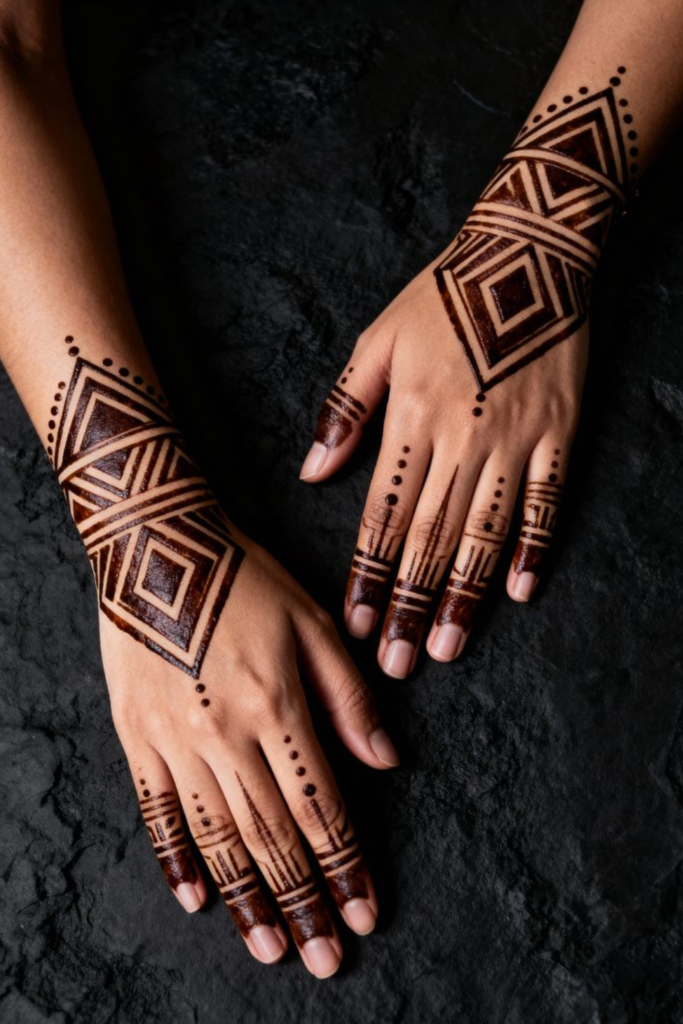
2. Moroccan Mehndi Designs
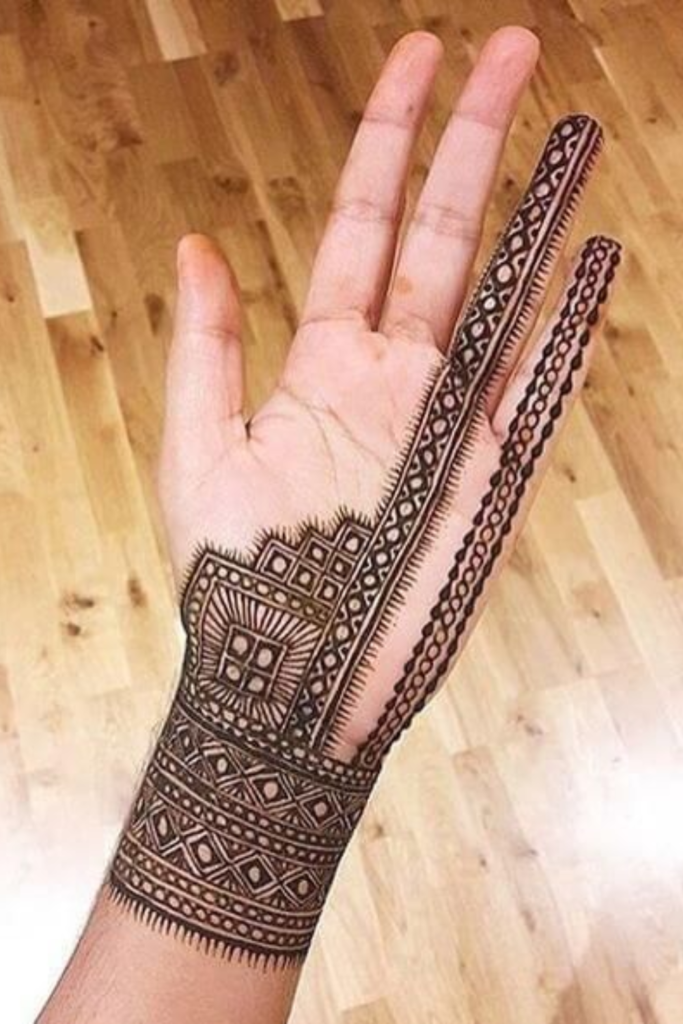
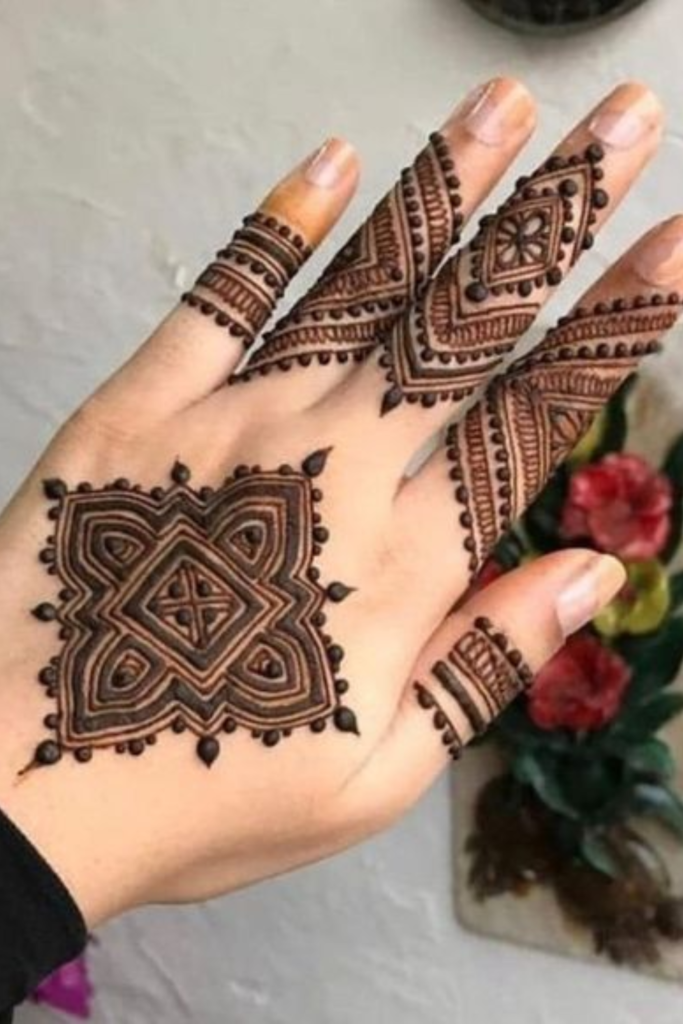
Moroccan mehndi is characterized by bold geometric patterns, diamonds, triangles, and lattice work, drawing heavily from the region’s rich architectural heritage. These designs carry a distinctive North African identity and are gaining international popularity for their structured, modern appearance. During Ramzan, Moroccan-style mehndi is often chosen by women who prefer a minimalist yet striking look.
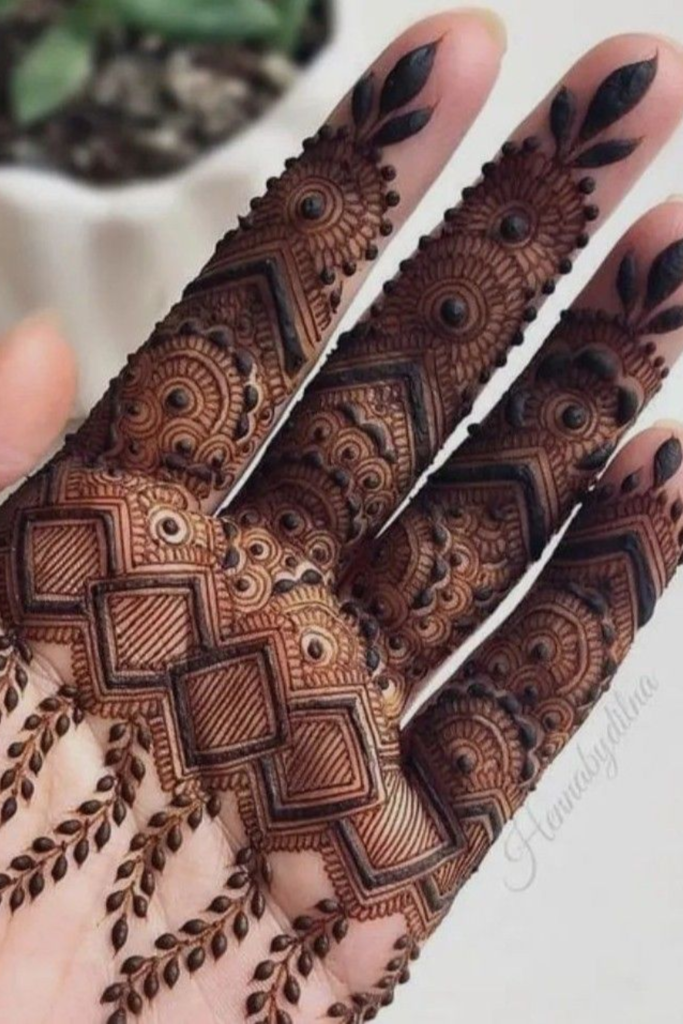
3. Pakistani Mehndi Designs
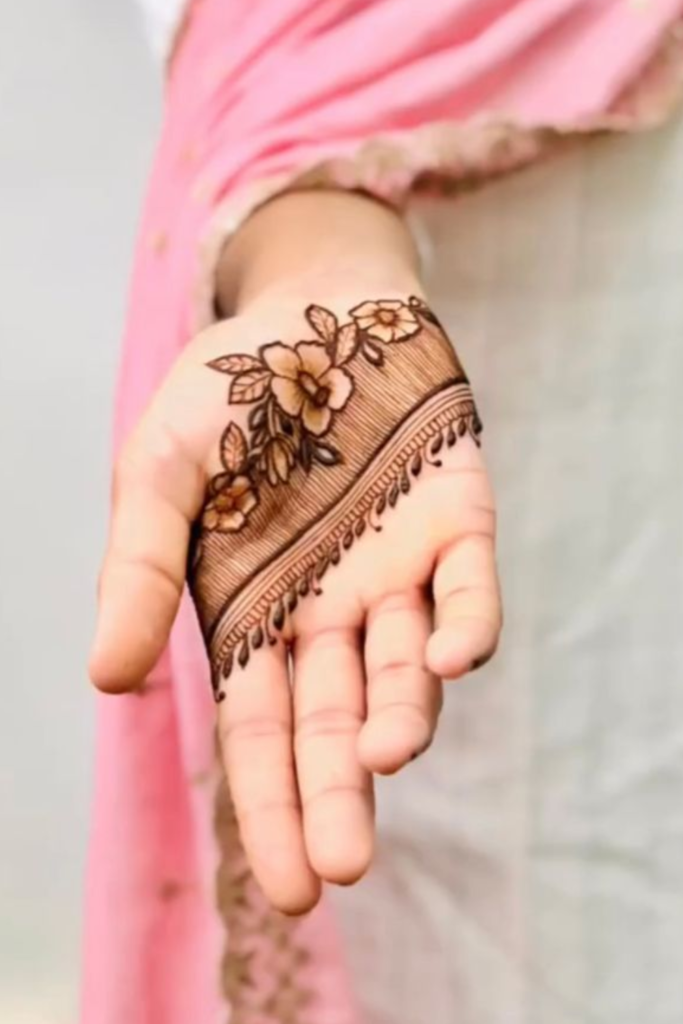
Pakistani mehndi occupies a beautiful middle ground between Arabic and Indian styles. It features floral patterns, curved lines, and mandala-like compositions with moderate coverage. Pakistani designs are known for their romanticism and are a staple of Ramzan and Eid celebrations across the country. Signature elements include the tikka (central palm motif), rose clusters, and delicate finger patterns that create a sense of flowing movement.
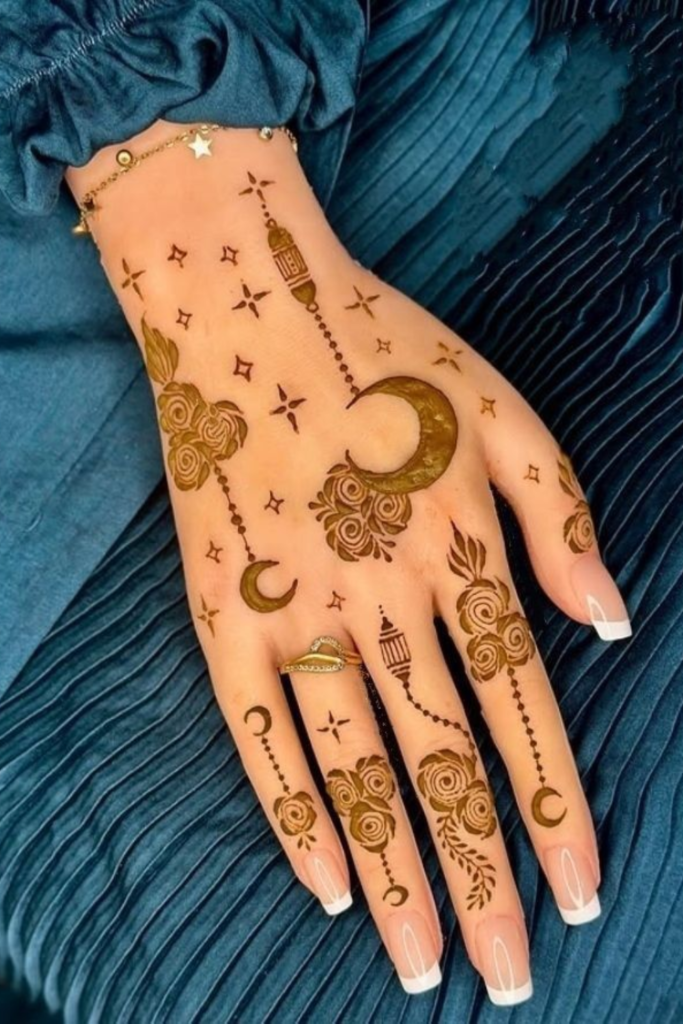
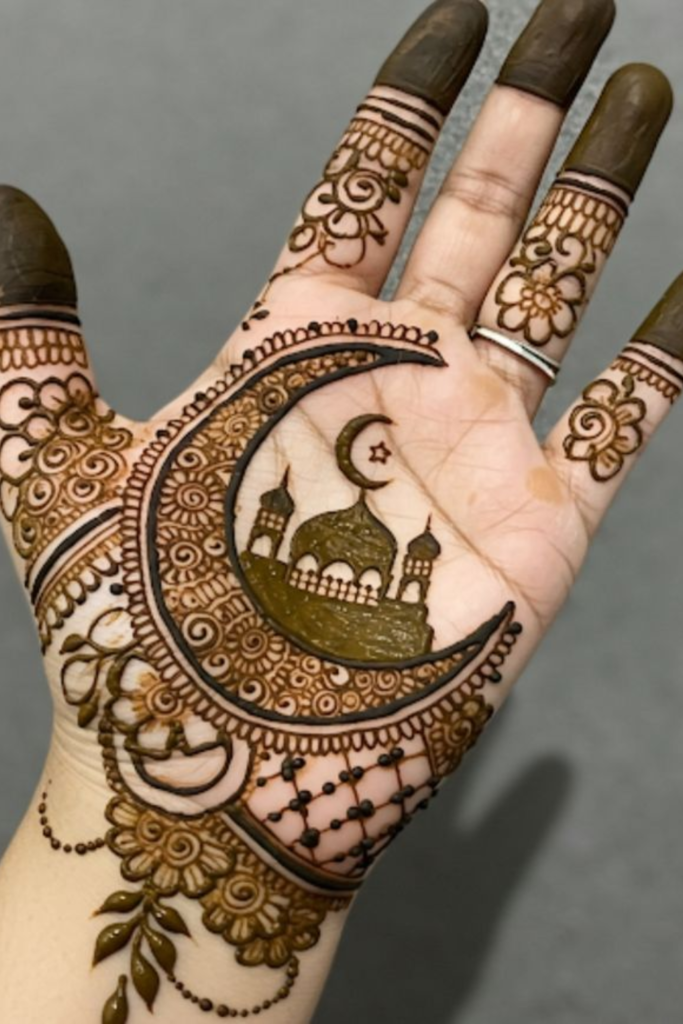
4. Gulf-Style Mehndi Designs
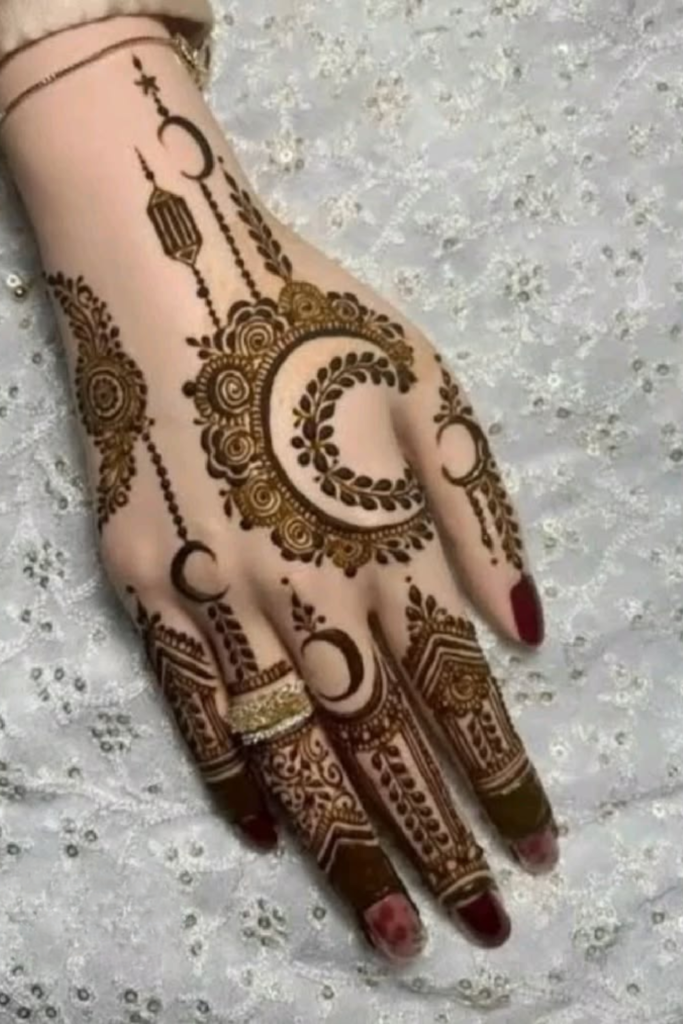
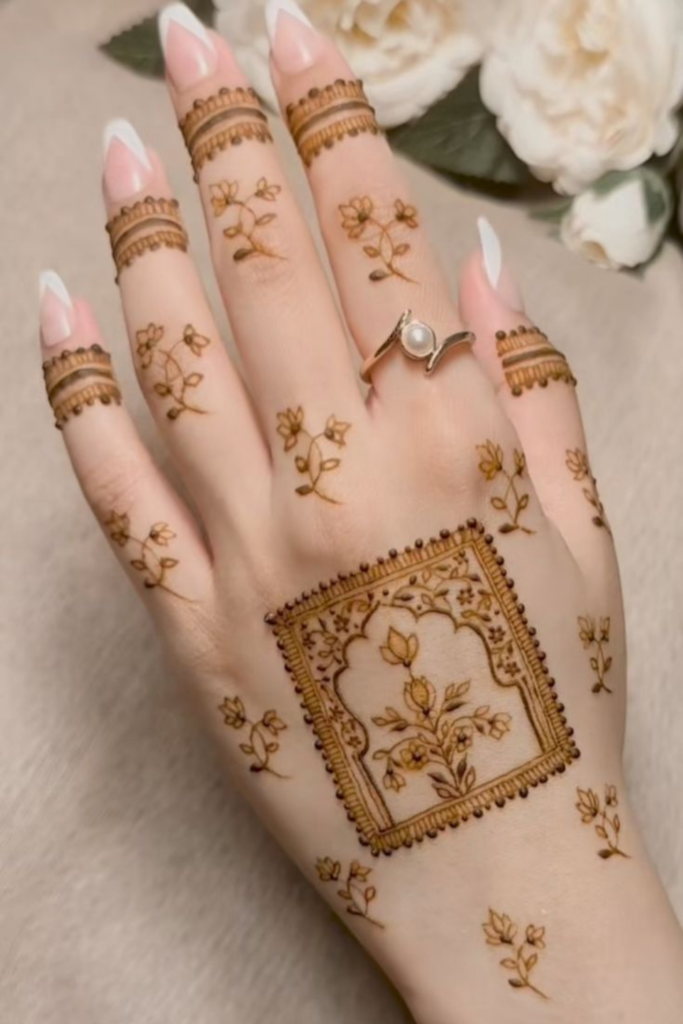
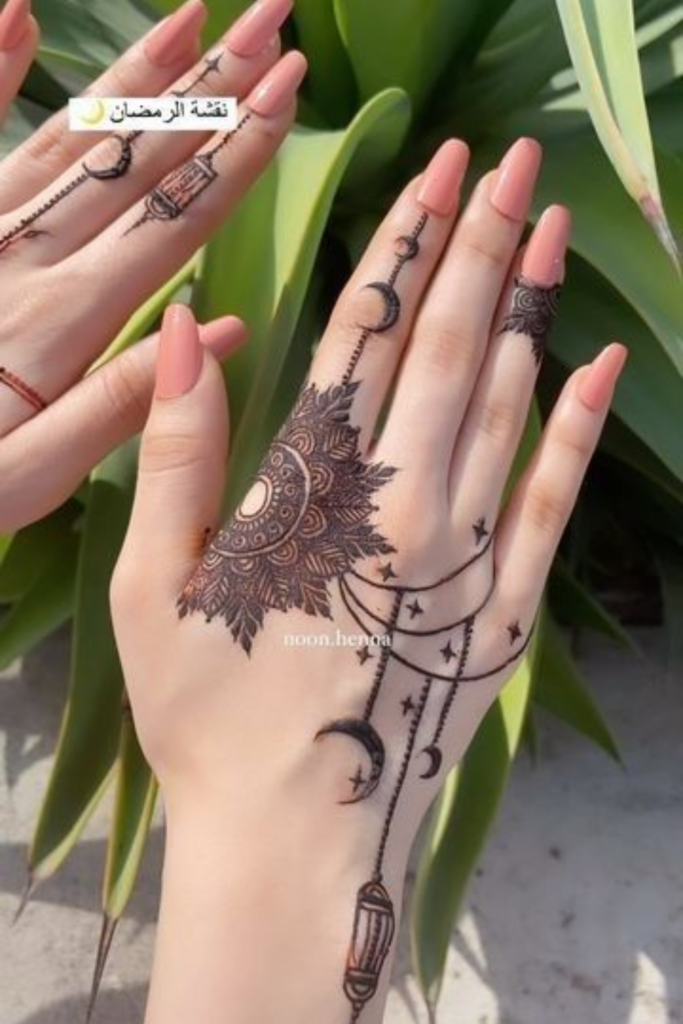
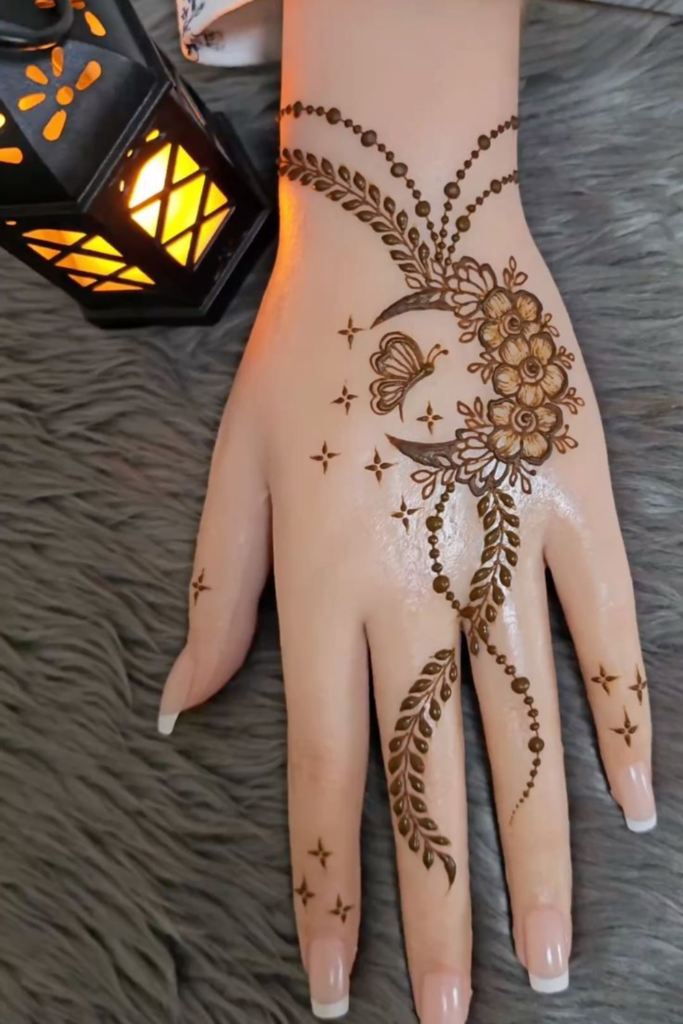
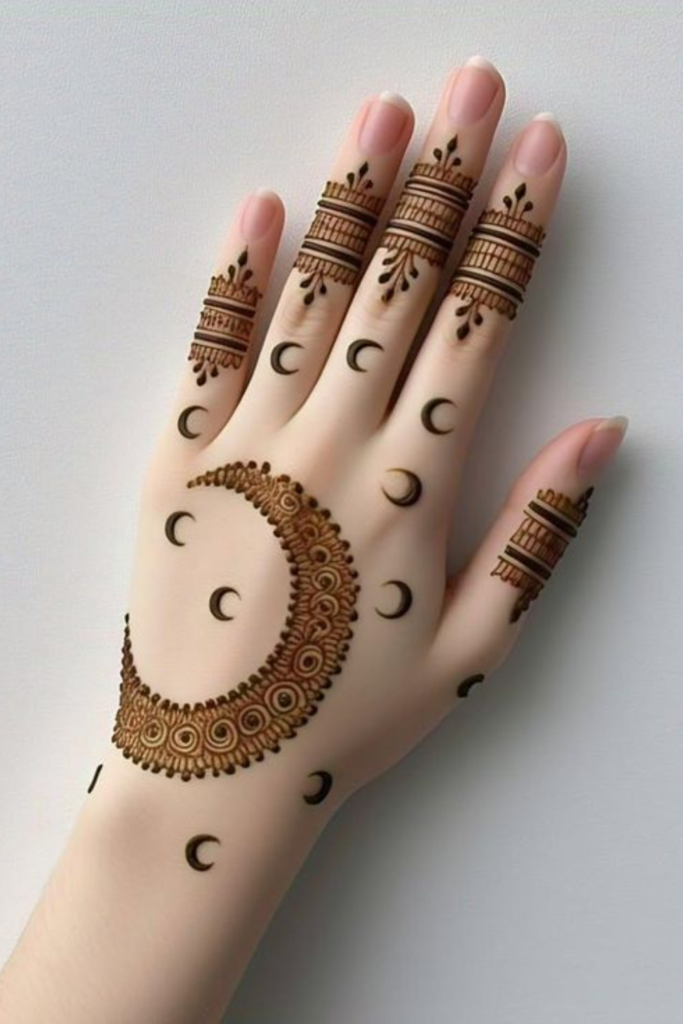
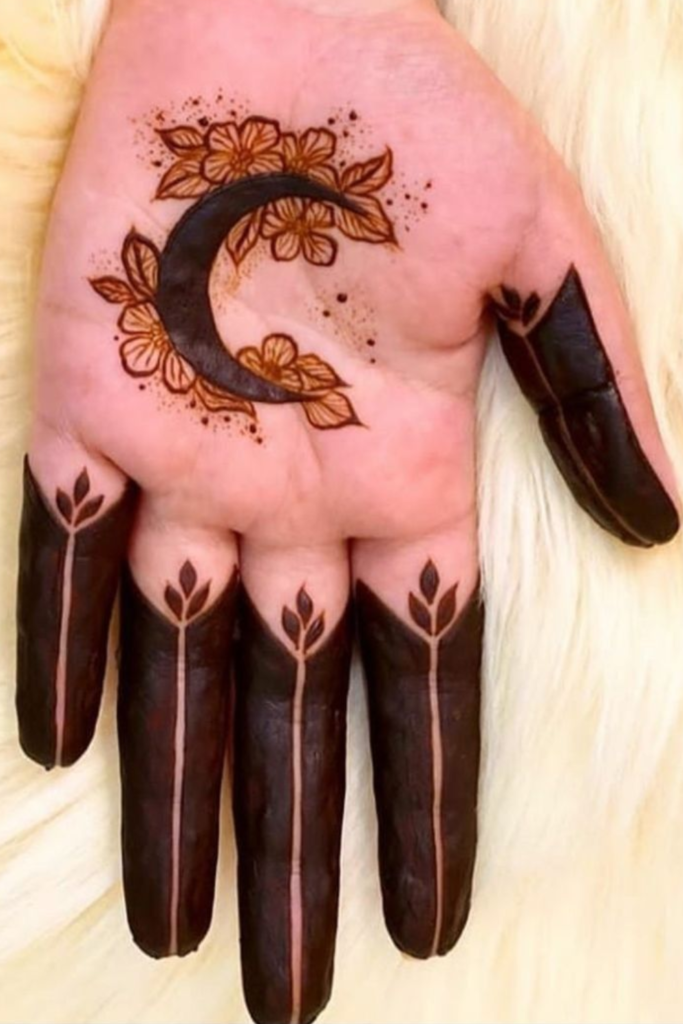
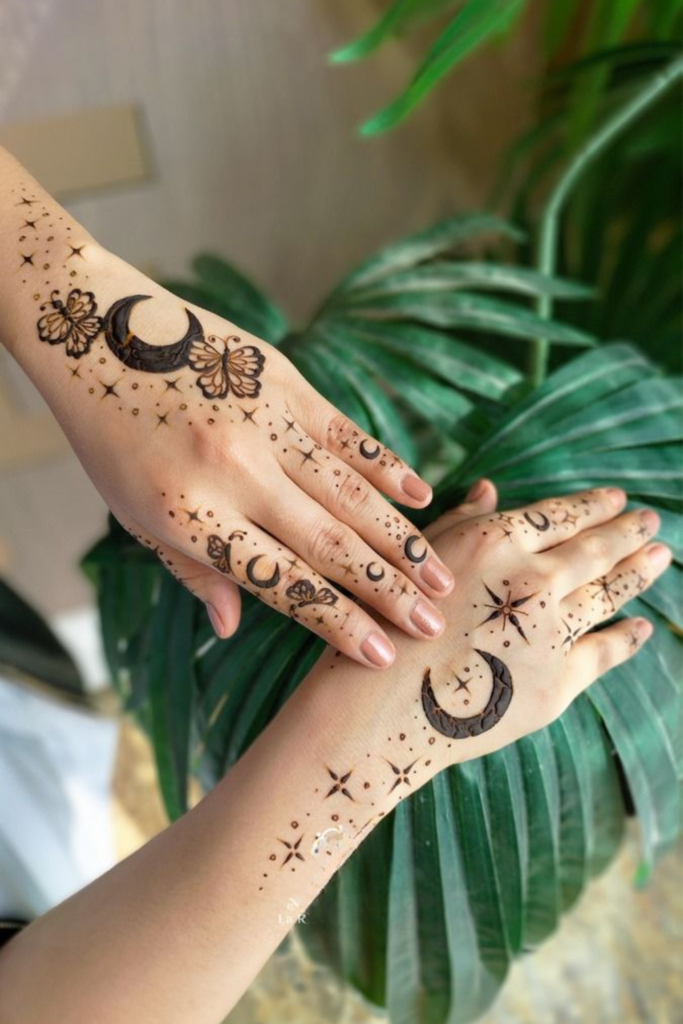
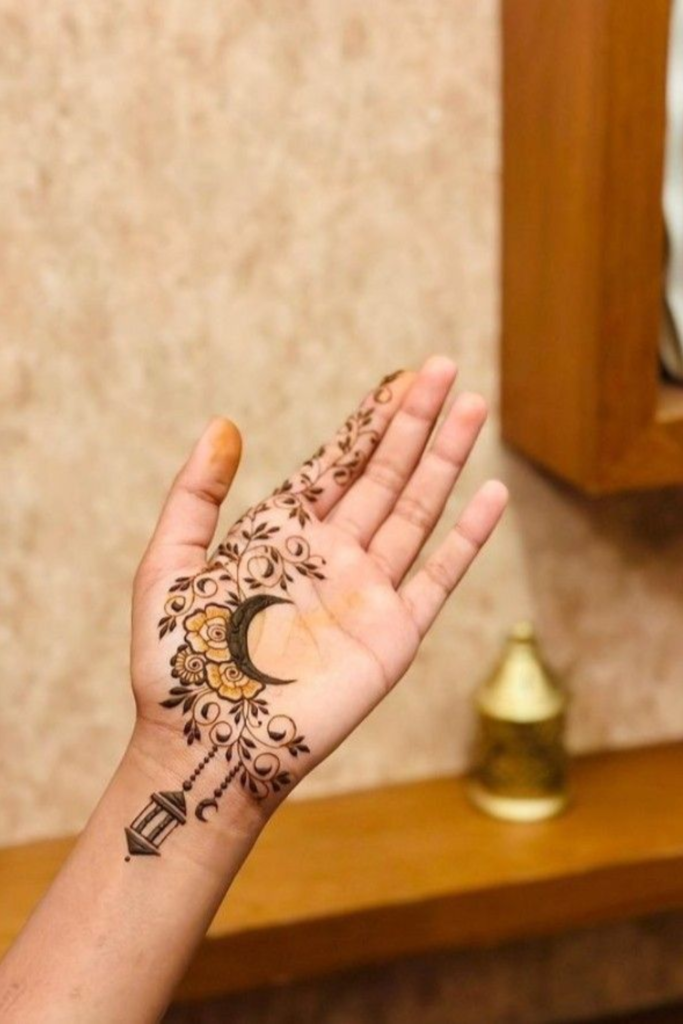
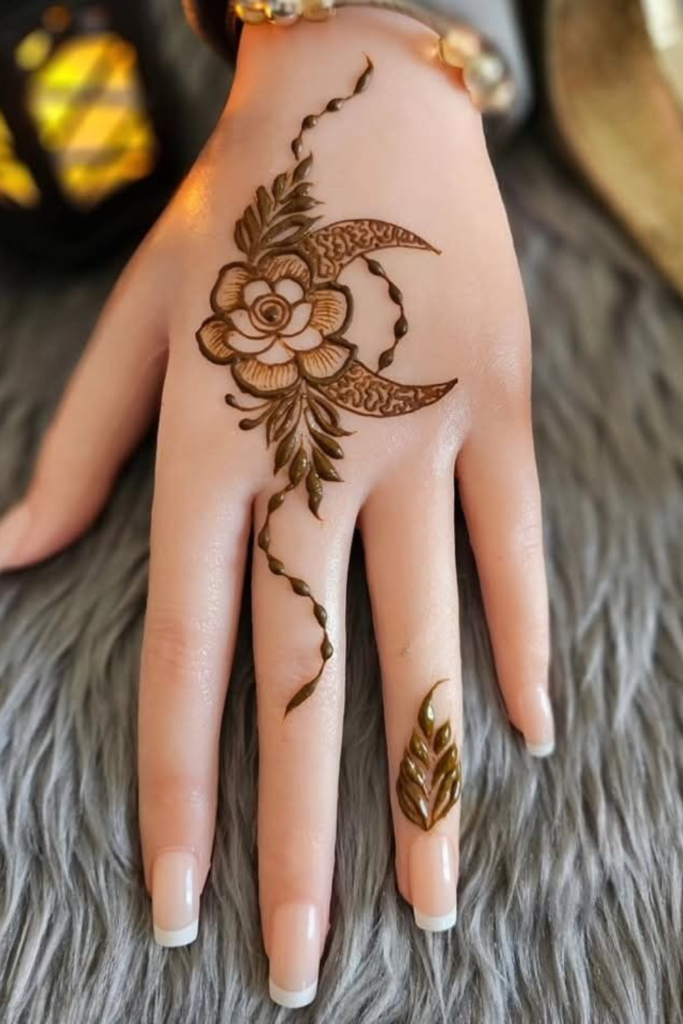
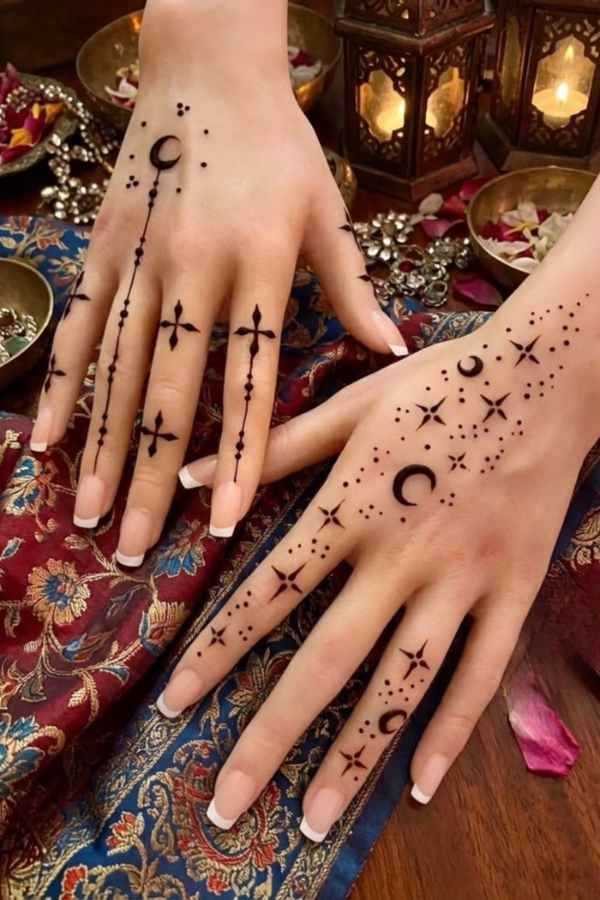
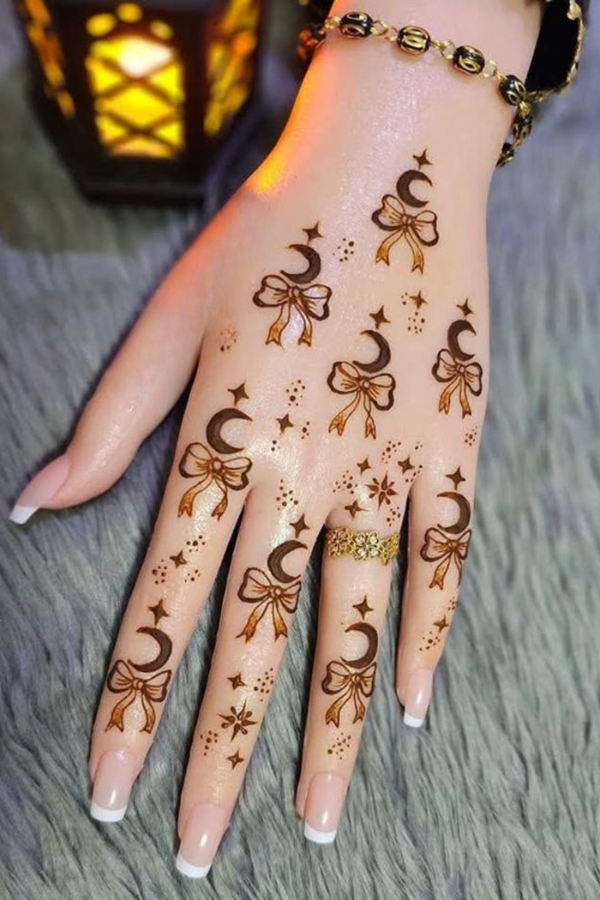
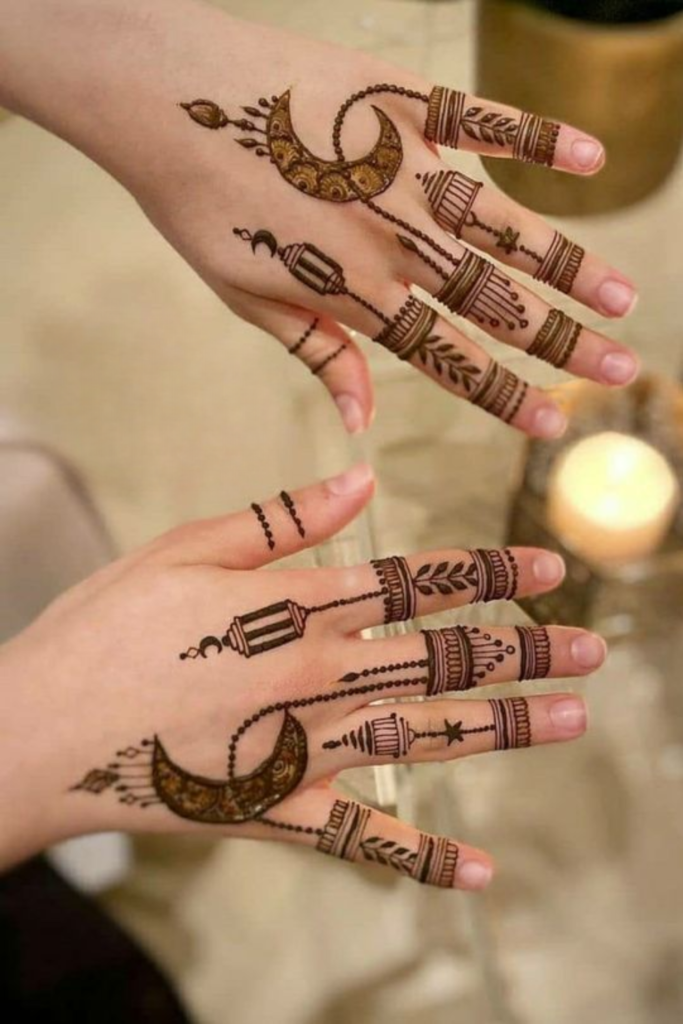
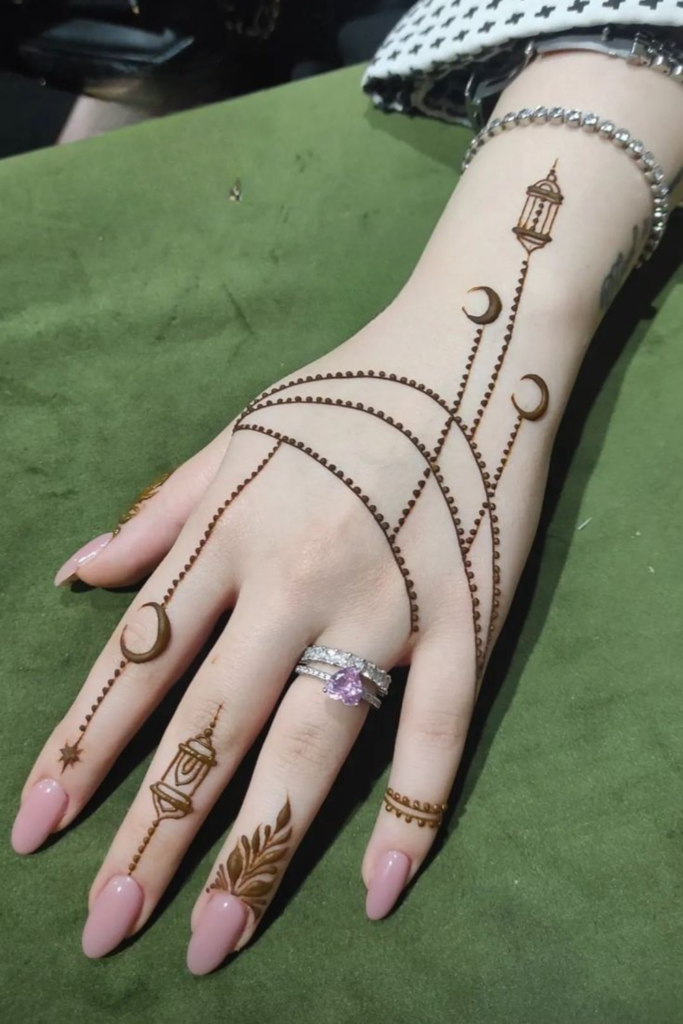
Gulf mehndi designs popular in the UAE, Saudi Arabia, Qatar, and Kuwait are celebrated for their simplicity and sophistication. These designs typically feature thin, elegant lines, crescent moon motifs, stars, and floral chains, often leaving significant white space for a refined finish. The crescent and star symbols deeply associated with Ramzan and Islamic identity frequently appear as central design elements, making Gulf mehndi especially appropriate for the holy month.
Symbolic Elements in Ramzan Mehndi
Mehndi patterns are never merely decorative; they carry layers of meaning embedded in centuries of tradition. Some of the most frequently used symbols during Ramzan include:
Crescent Moon and Stars: Perhaps the most iconic Ramzan motif, the crescent moon symbolizes the Islamic calendar, the sighting of the new moon, and the holy month’s spiritual journey. Stars surrounding the crescent represent guidance and divine light.
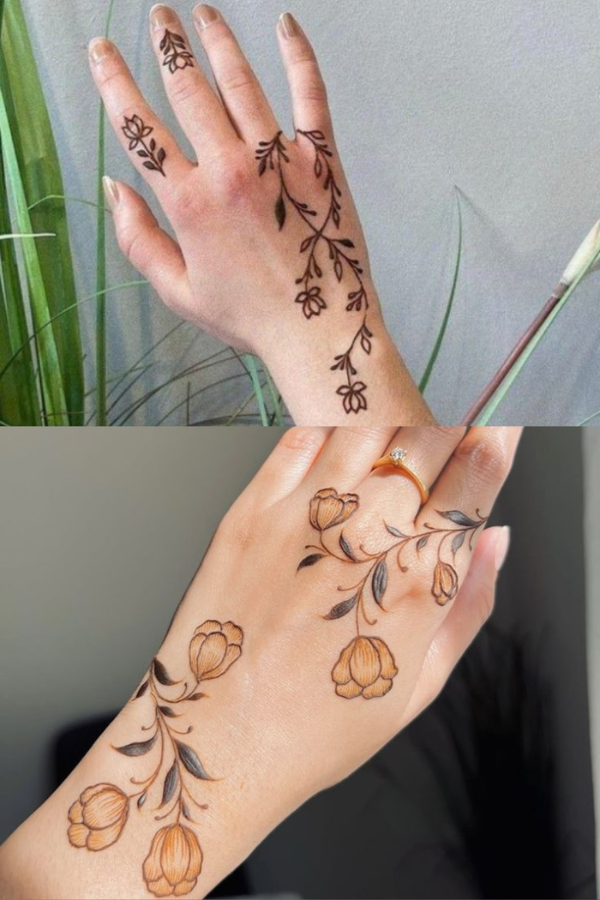
Flowers and Vines:
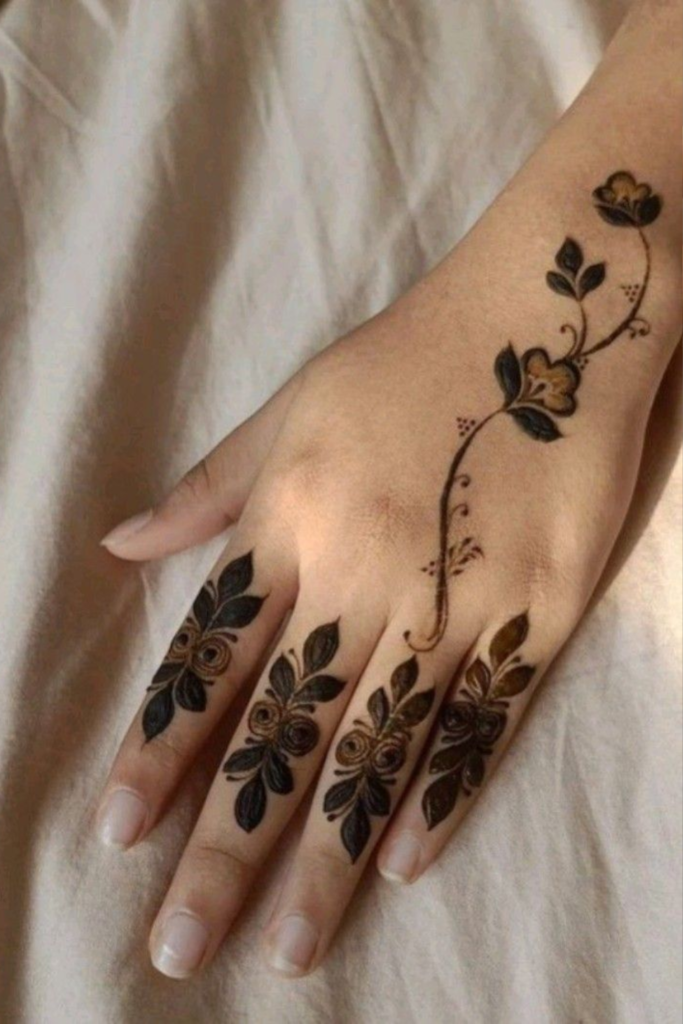
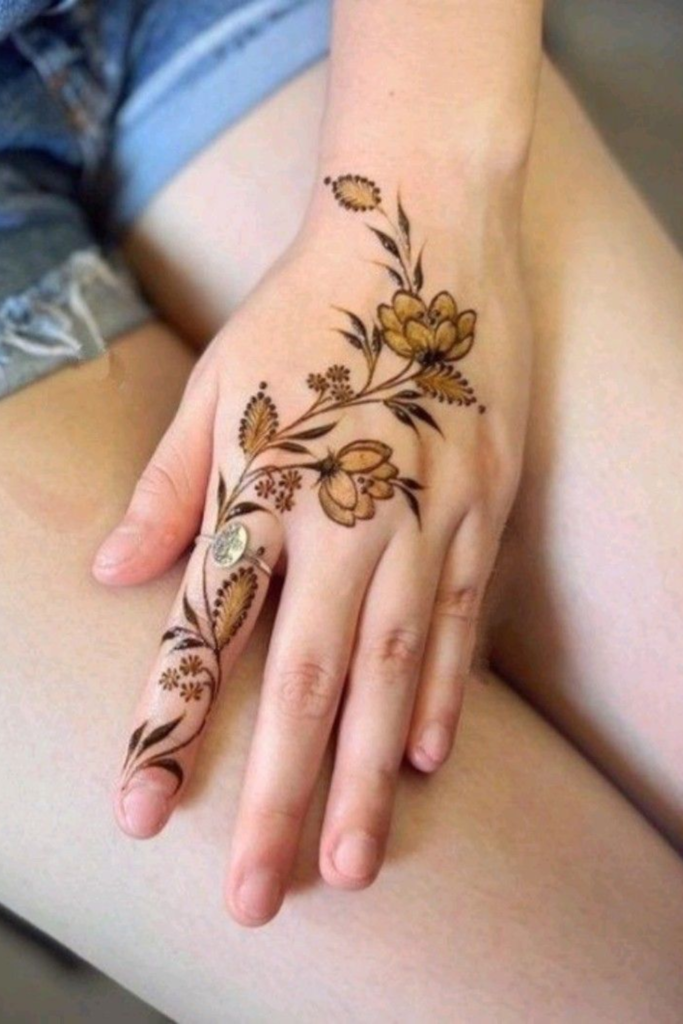
Floral patterns represent life, beauty, and the flourishing of faith. Roses in particular are associated with love and the divine, while vine patterns symbolize growth and continuity.
Paisleys (Boteh):
The teardrop-shaped paisley is one of the oldest motifs in South Asian and Persian art, symbolizing abundance, fertility, and eternity.
Minimalist Mehndi:
Catering to modern tastes, minimalist designs featuring thin lines, single florals, or simple crescent motifs are increasingly popular among younger women who want elegant, understated adornment.
Conclusion
Ramzan Mehndi designs are far more than an aesthetic choice; it is a living tradition that connects women across generations, cultures, and borders through a shared language of beauty and devotion. Whether traced in the bold sweeps of Arabic style, the intricate density of Indian patterns, or the geometric precision of Moroccan art, mehndi during Ramzan tells a story of faith made visible on the skin.
As the holy month draws to its close each year and the crescent moon rises over Chand Raat, the scent of henna in the air becomes itself a kind of prayer, fragrant, ephemeral, and deeply human. In adorning their hands with these ancient patterns, women everywhere honor not only the season but the enduring power of beauty as a form of spiritual expression.