
Introduction
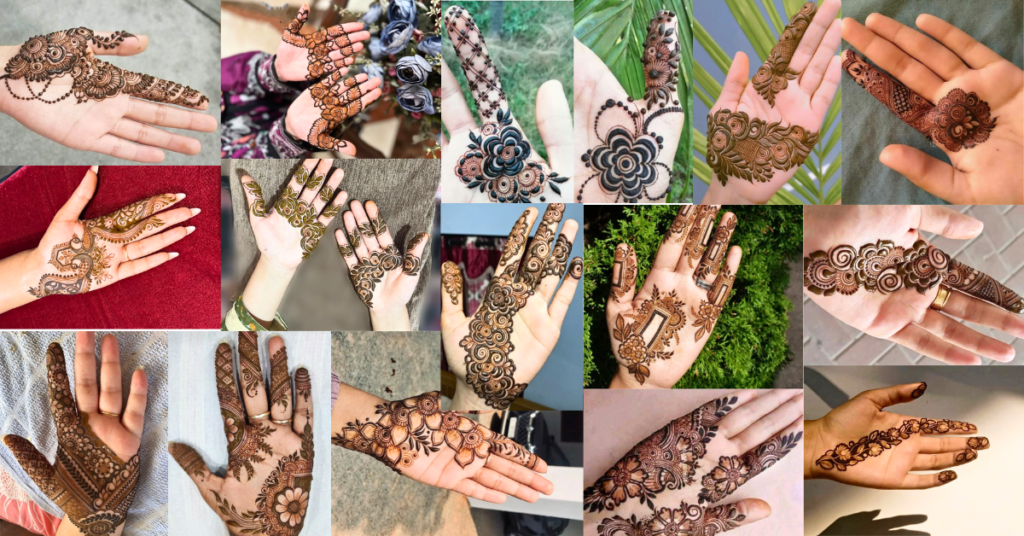
Bail mehndi, named after the Urdu and Hindi word for “vine” or “creeper,” is one of the most elegant and beloved henna styles that has adorned the hands of brides and festival-goers for centuries. When bail mehndi for front hands applies, it creates a visual narrative that is both timeless and effortlessly modern.
What Is Bail Mehndi?
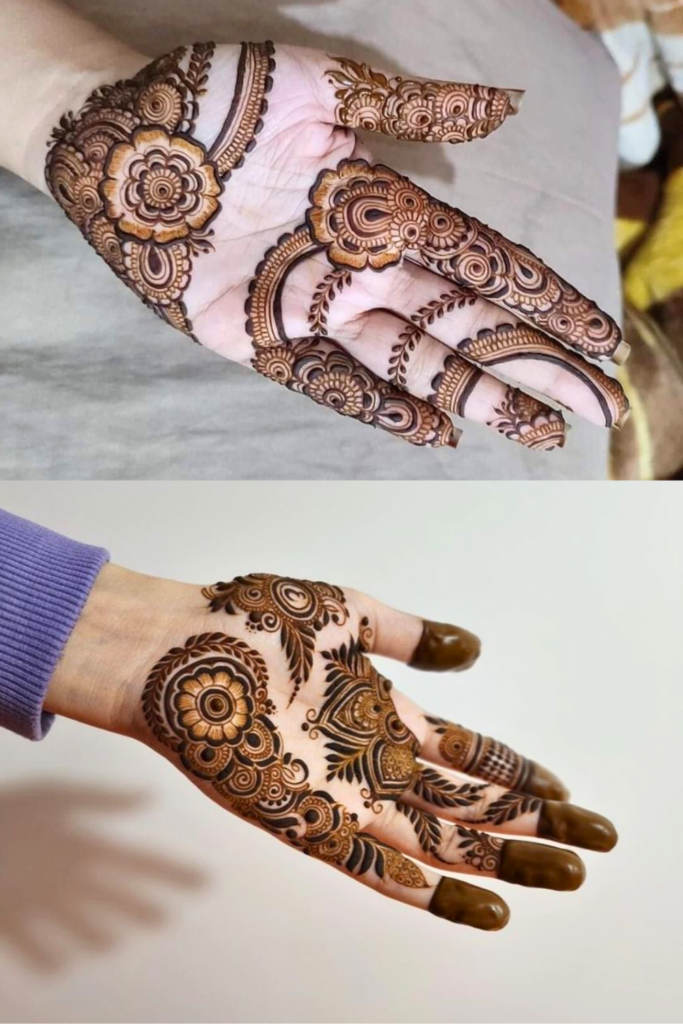
Bail mehndi is a style of henna art defined by continuous, curving lines that mimic the organic movement of climbing vines and creeping plants. Unlike heavy bridal mehndi, it favors openness and flow. Delicate tendrils, softly curled leaves, and small flowers create a pattern that feels light, airy, and deeply sophisticated. For the front of the hands, it is particularly well-suited, traveling naturally across the knuckles and along the back of the hand with effortless grace.
Why Choose Bail Mehndi for Front Hands?
The front of the hand is the most visible surface; it catches the light and is the first thing seen when hands are extended. Bail mehndi maximizes this beautifully. It’s open, linear patterns appear delicate rather than overwhelming, making it ideal for those who prefer refinement over density. It translates effortlessly across occasions from weddings and Eid to casual gatherings and flatters all hand shapes by naturally elongating fingers and balancing the palm. Compared to heavy bridal mehndi, it also requires significantly less time to apply, making it a practical yet elegant choice for brides and guests alike.
Popular Bail Mehndi Designs for Front Hands
1. Single Vine Bail Design
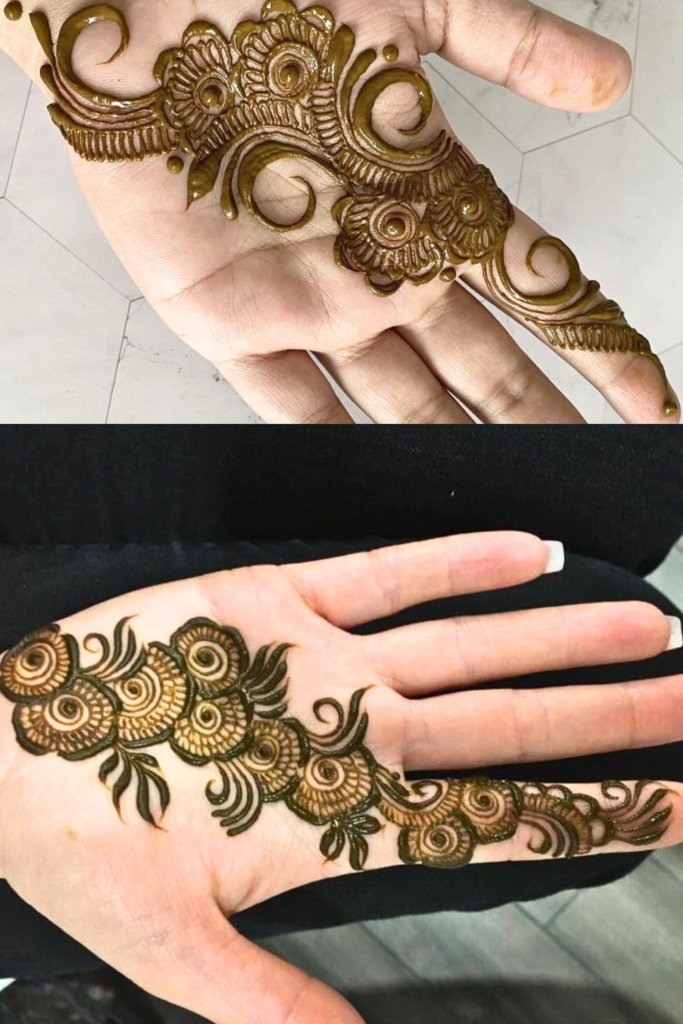
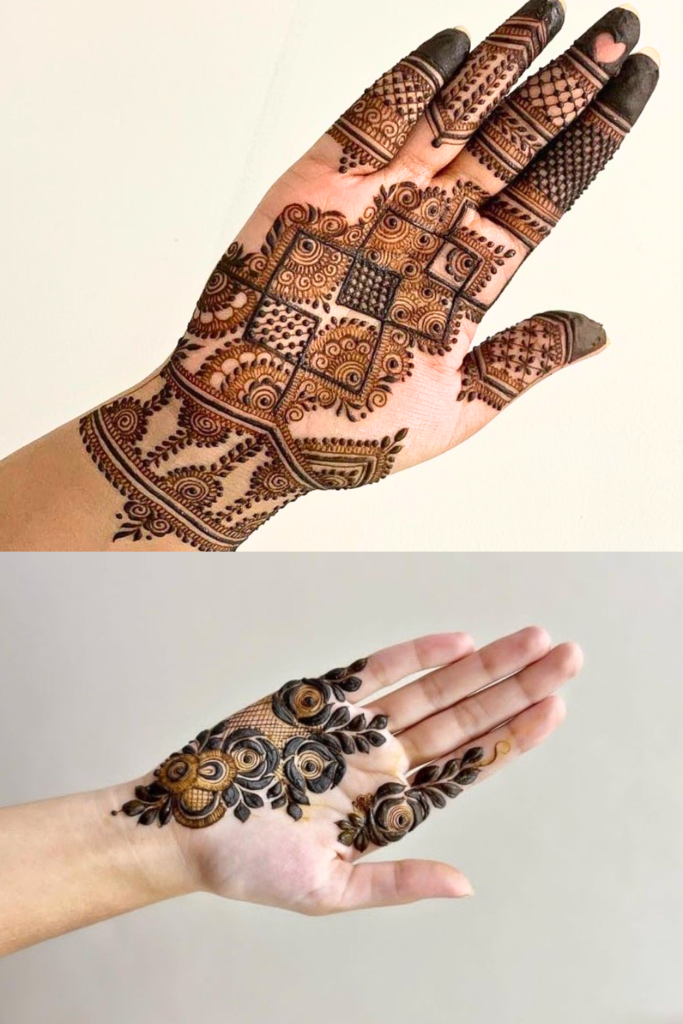
A single, flowing vine travels from the wrist upward along the center of the hand, branching gently toward each finger. This minimalist design is clean, contemporary, and ideal for everyday occasions or professional settings where subtle adornment is preferred.
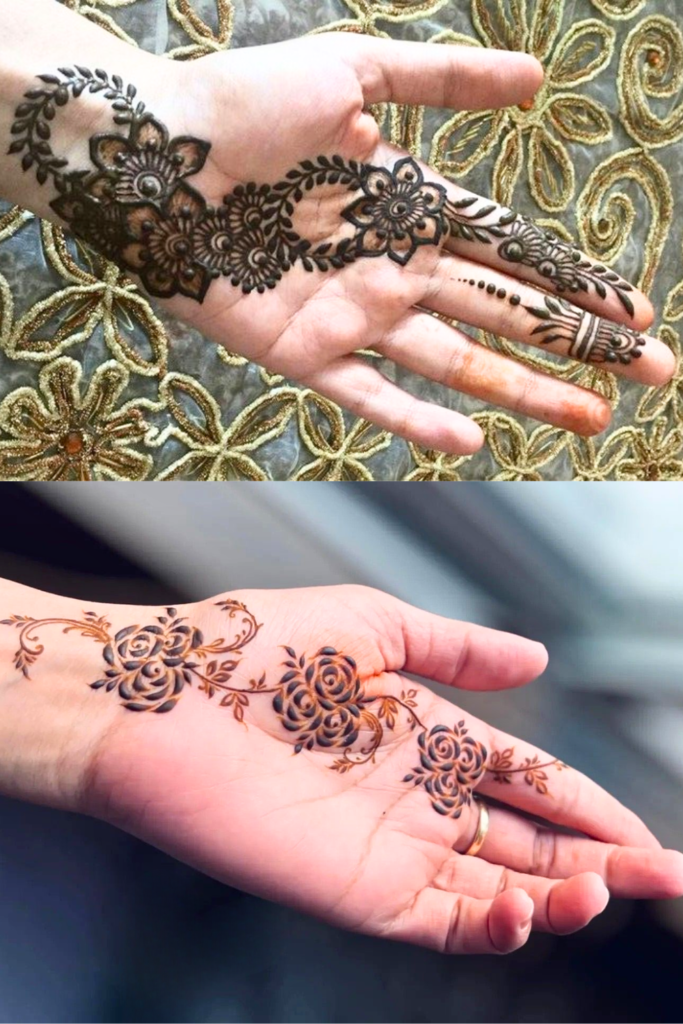
2. Floral Bail Design
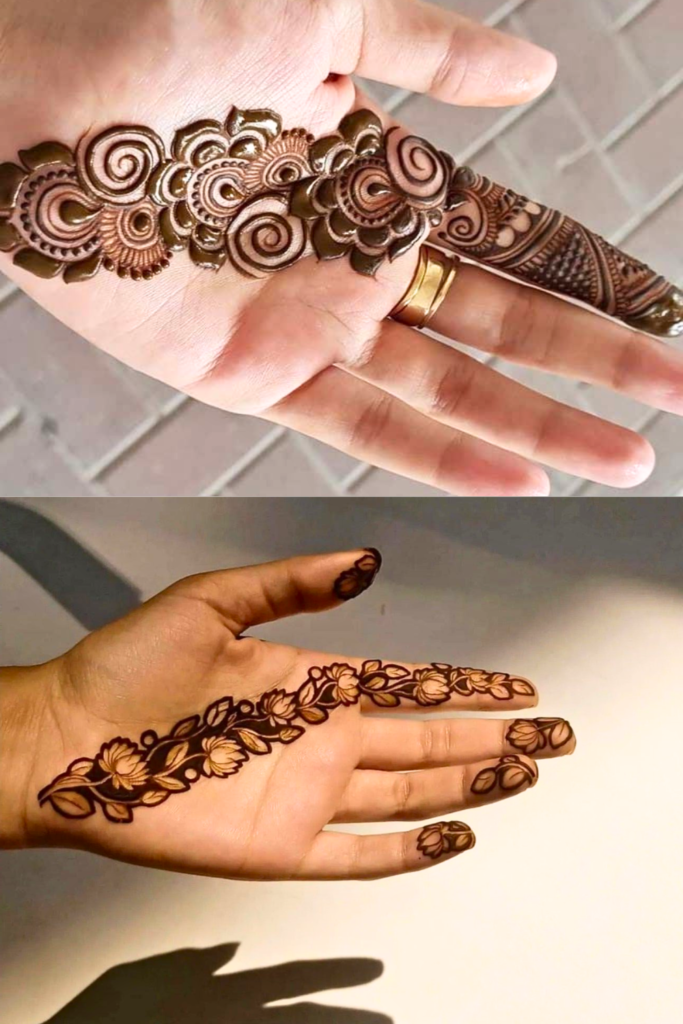
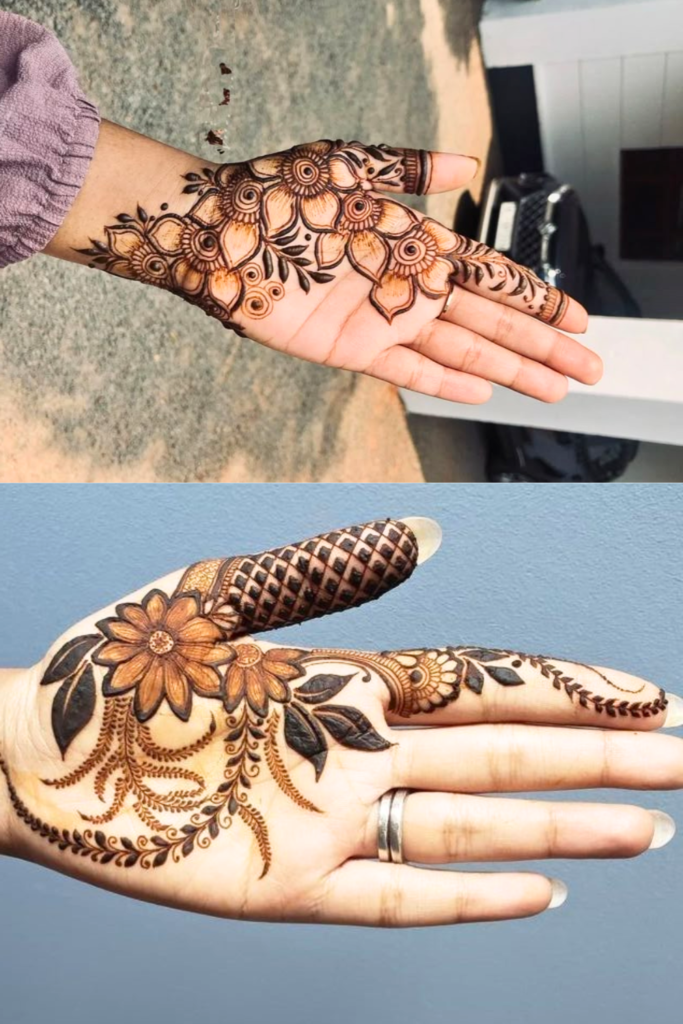
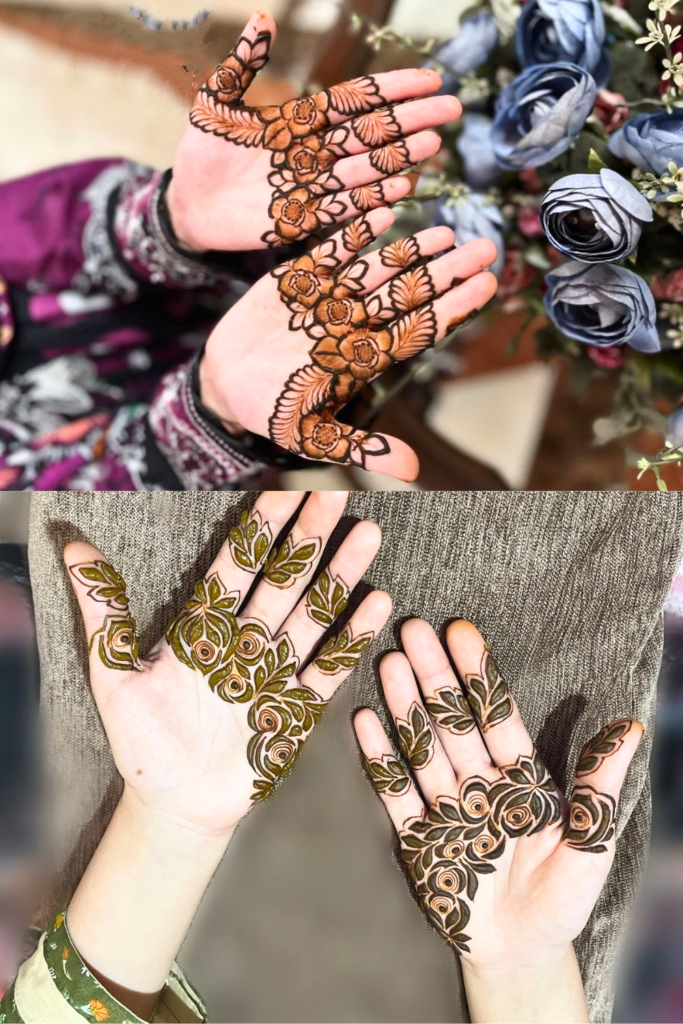
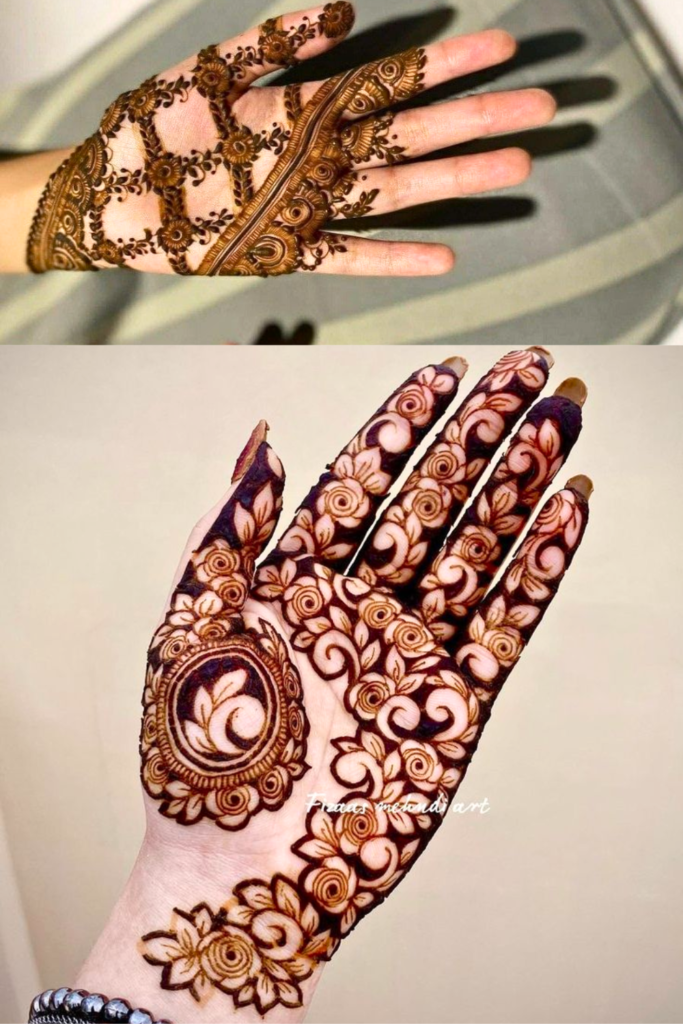
Petite flowers, roses, lotuses, or abstract blooms are interspersed along the vine at regular intervals. The flowers anchor the design and add visual interest, while the trailing vines maintain the characteristic lightness. This style is particularly popular for festive occasions like Eid and Diwali.
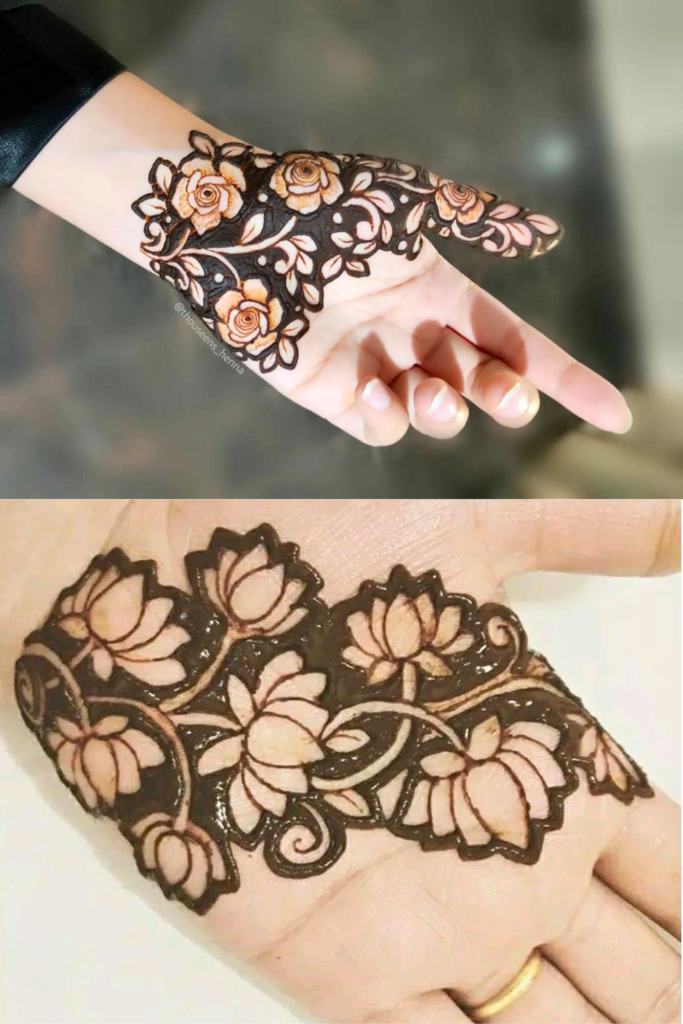
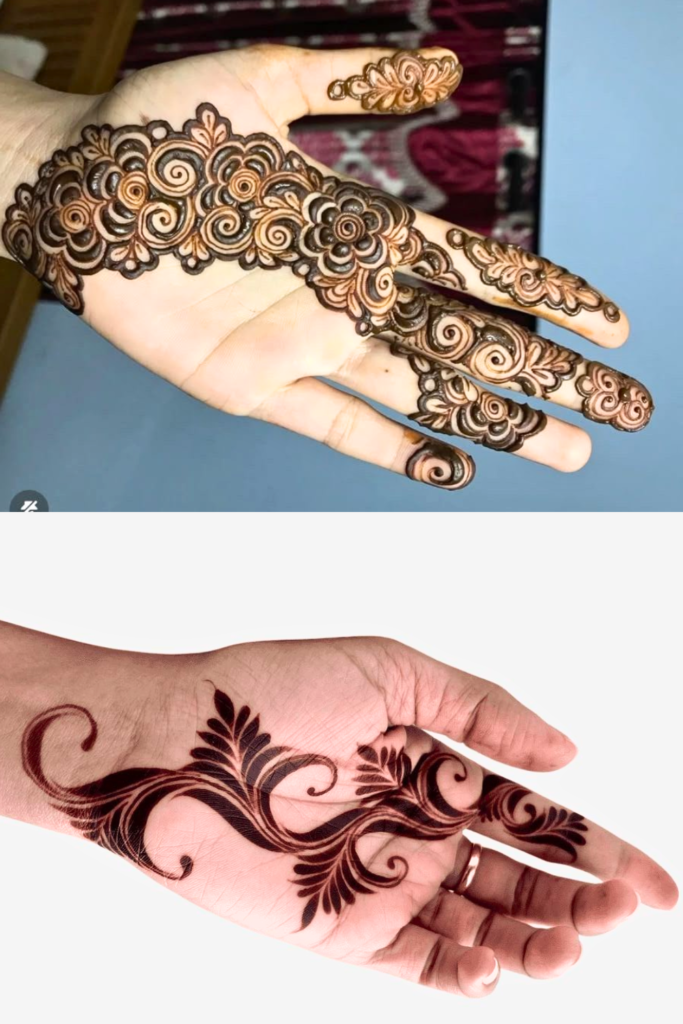
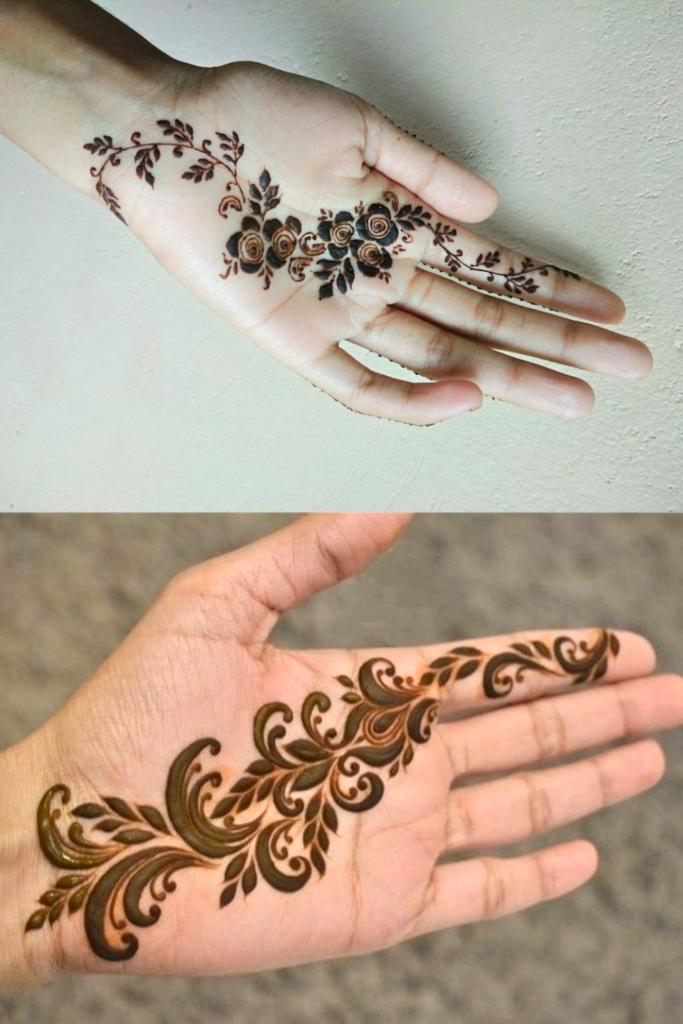
3. Bridal Bail Mehndi
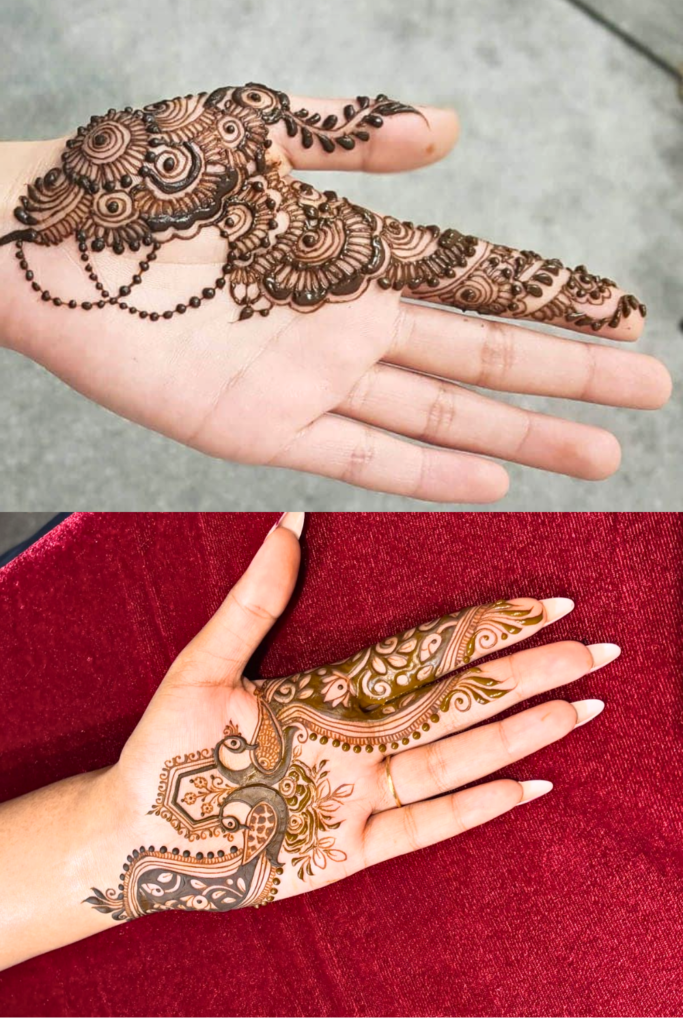
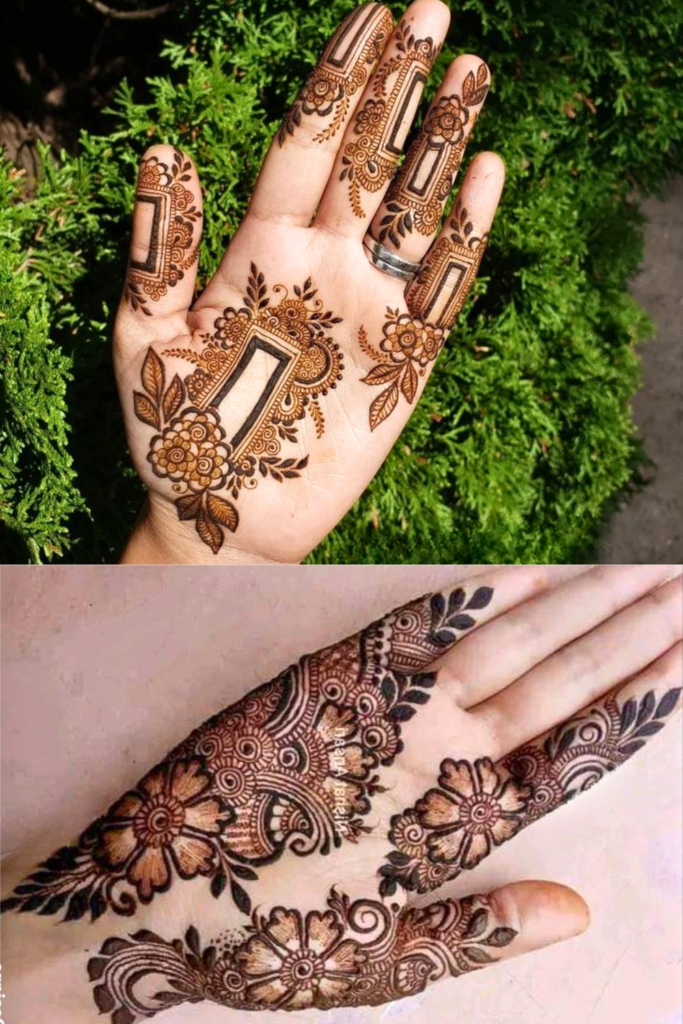
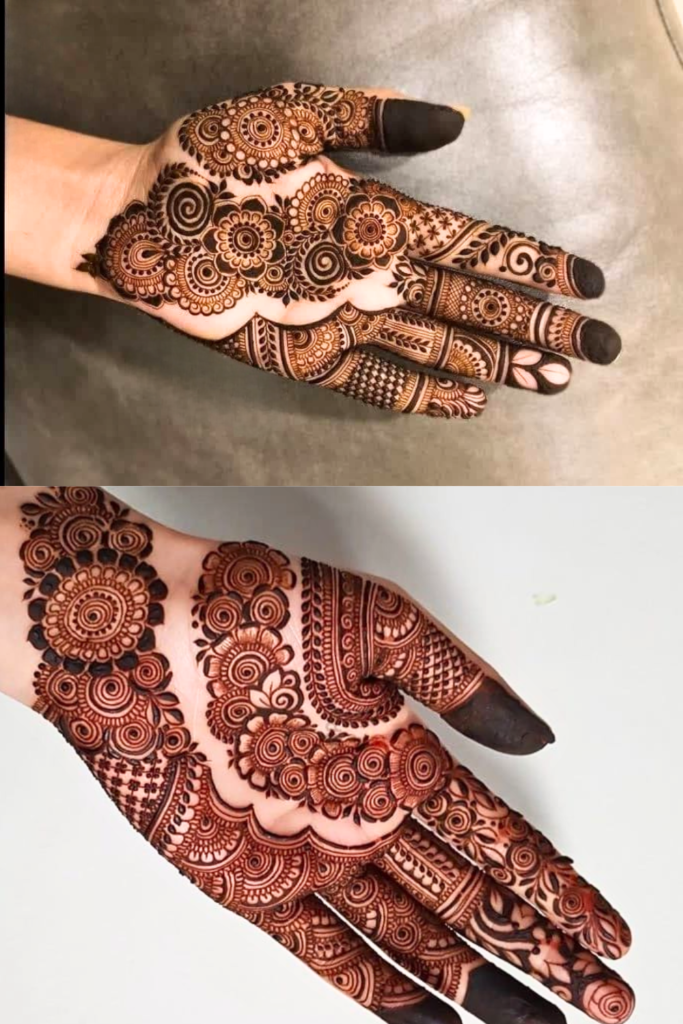
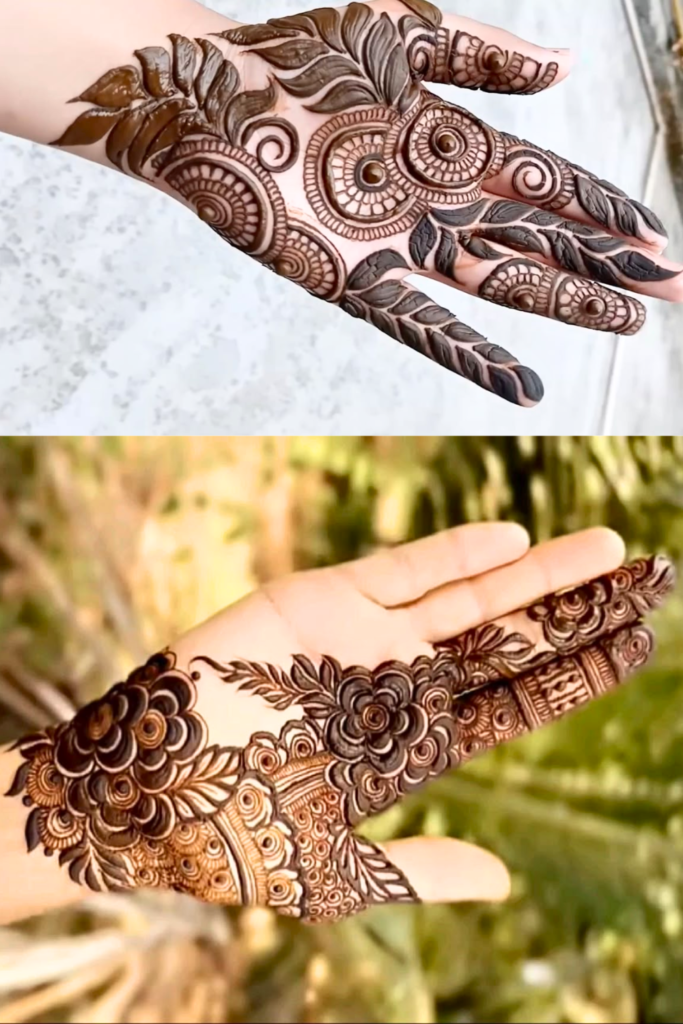
For brides who prefer a less cluttered look, bail mehndi offers a sophisticated alternative to heavily packed traditional designs. Thick, confident vines weave across the entire back of the hand, adorned with peacock motifs, intricate paisleys, and fine dot-work. The groom’s name or initials may be woven cleverly into the vine pattern, a cherished tradition in South Asian bridal culture.
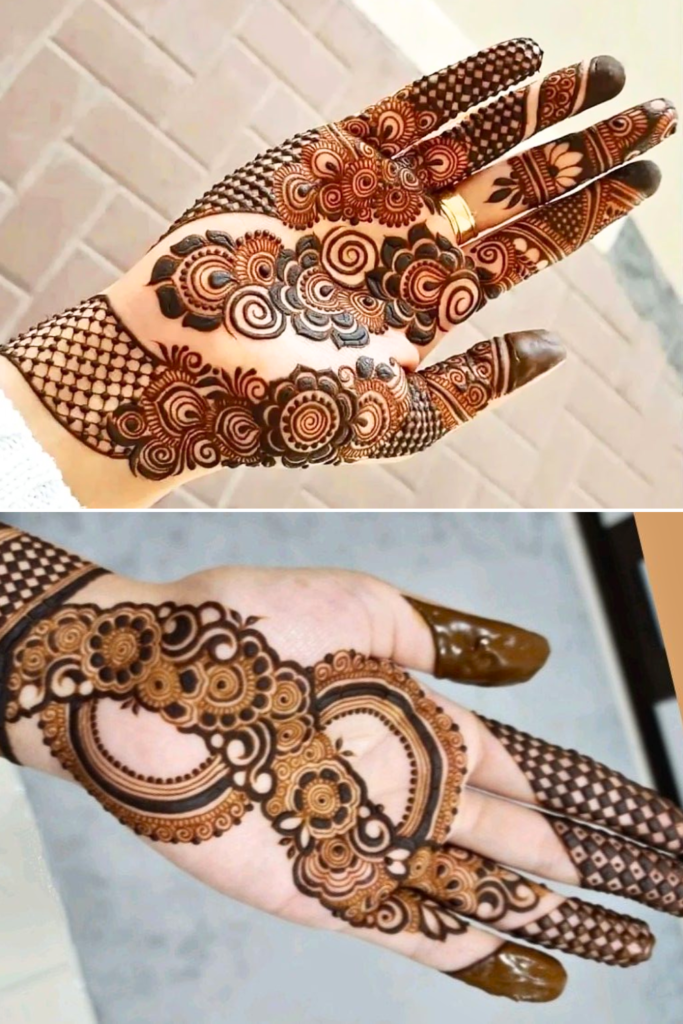
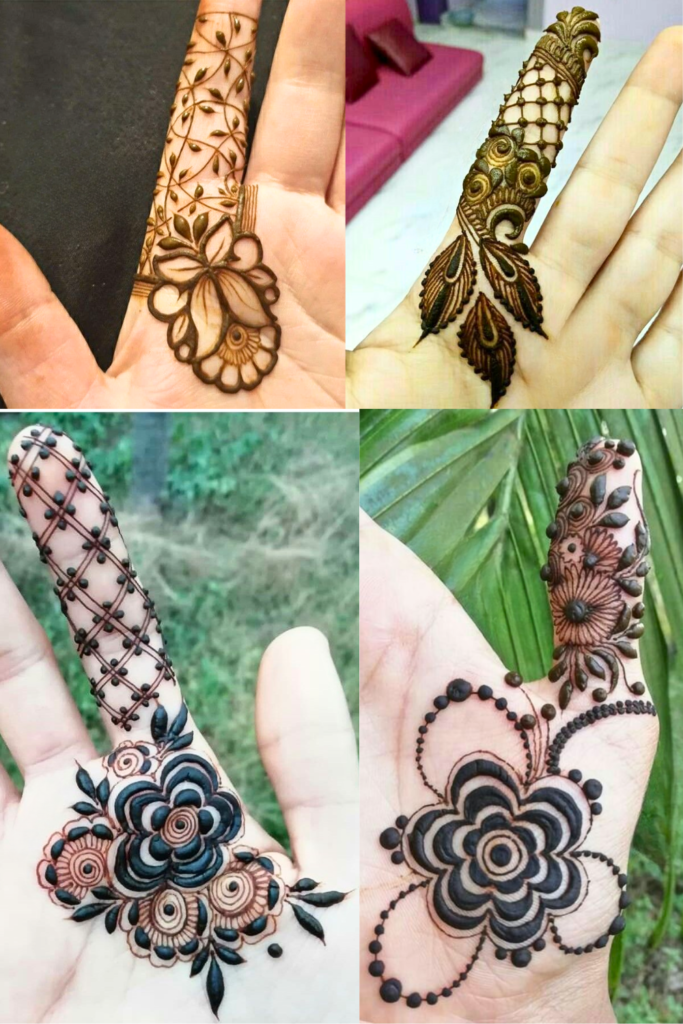
4. Finger Bail Design
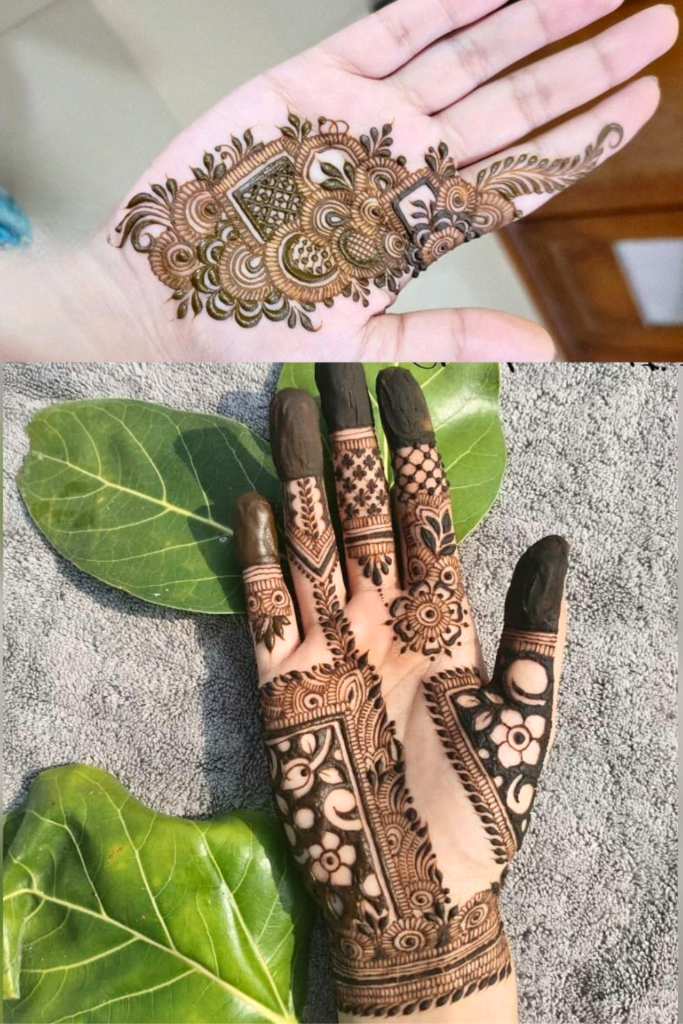
Rather than covering the entire hand, this design focuses on decorating the fingers alone, each finger adorned with a delicate, individual vine that winds from the base to the tip. When the hand is extended, the effect is remarkably striking, particularly when complemented by rings or nail polish.
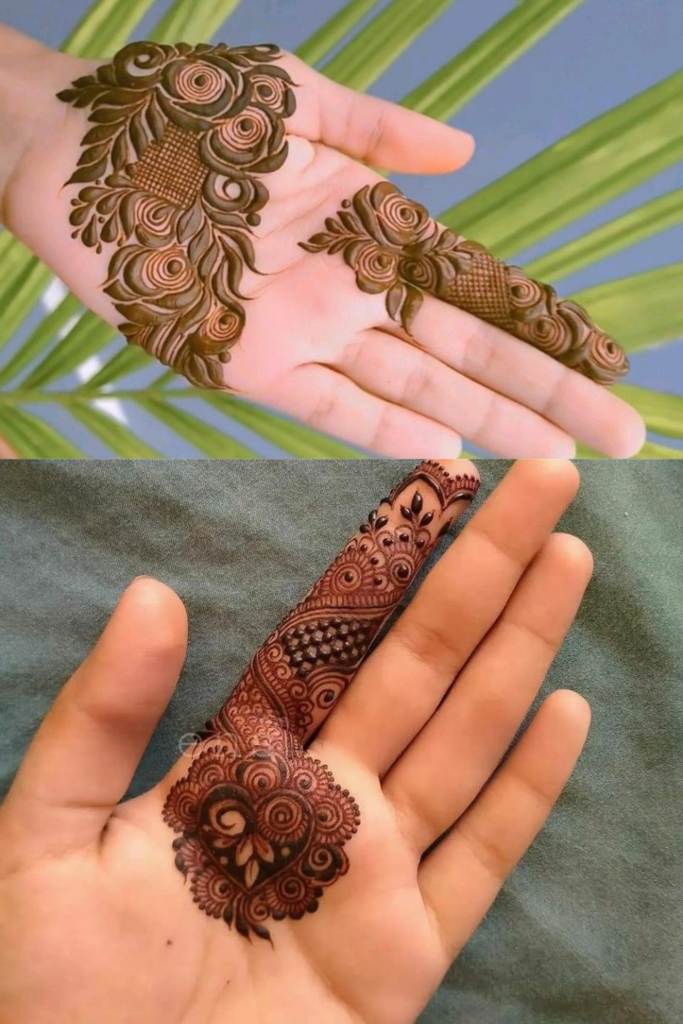
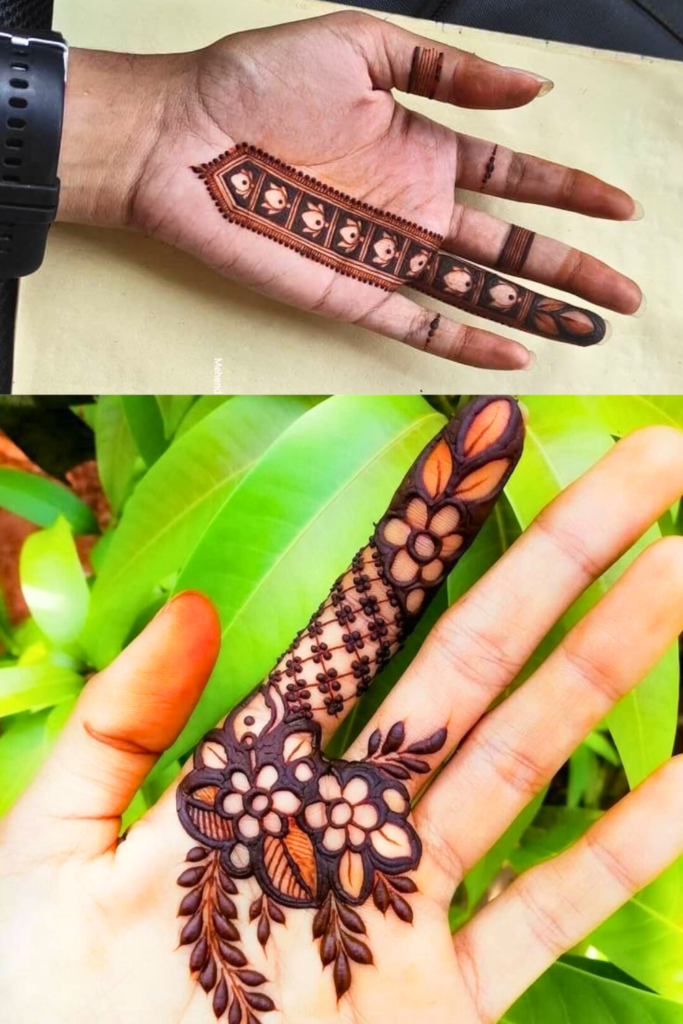
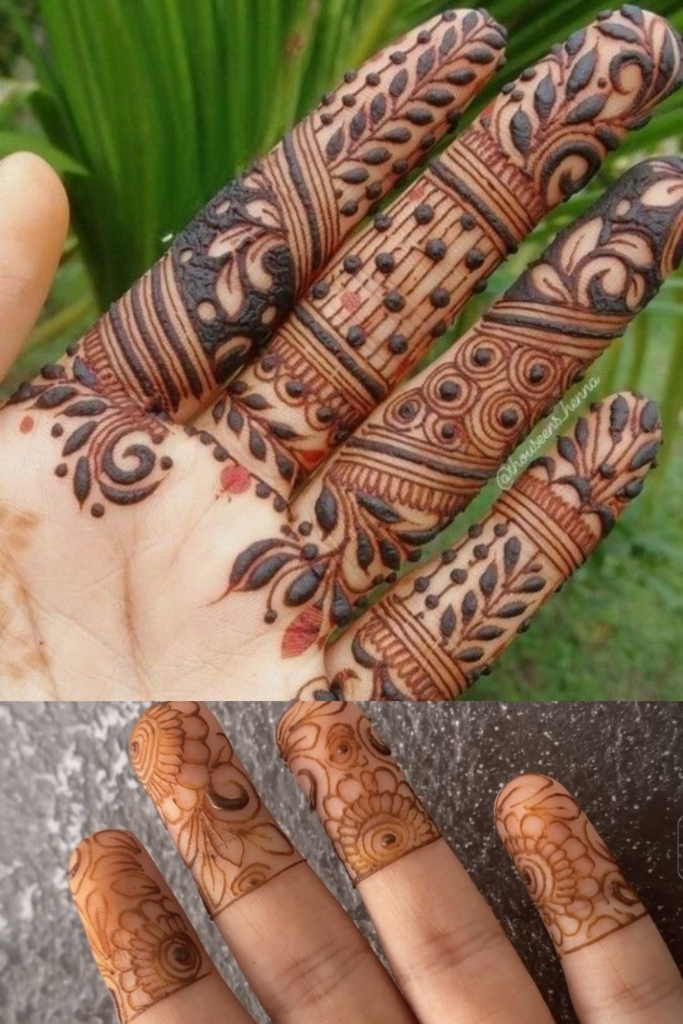
5. Arabic-Style Bail Mehndi
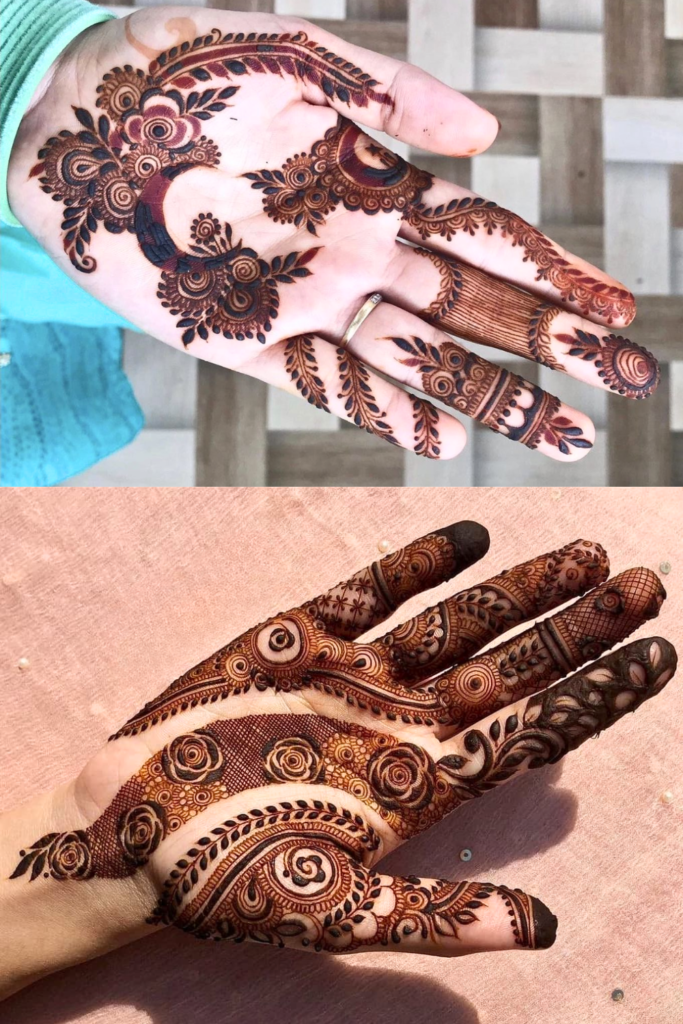
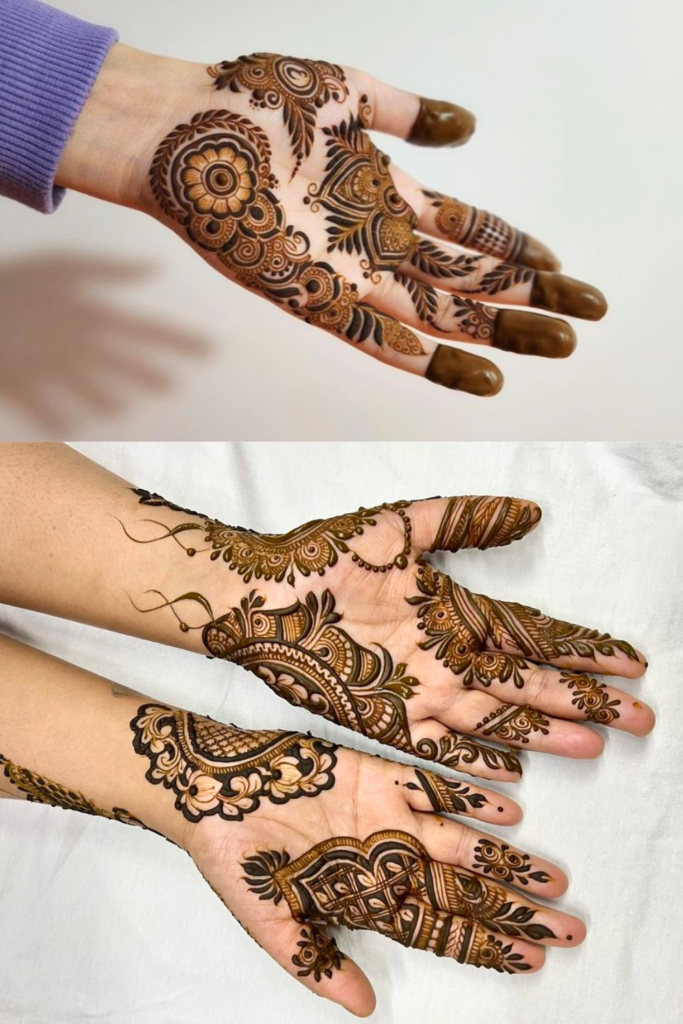
Influenced by Arabic henna traditions, this variation features bold, sweeping vines with generous negative space. The lines are thicker, the leaves larger, and the overall design more graphic and high-contrast. Arabic bail mehndi darkens to a deep, rich color and makes a dramatic statement.
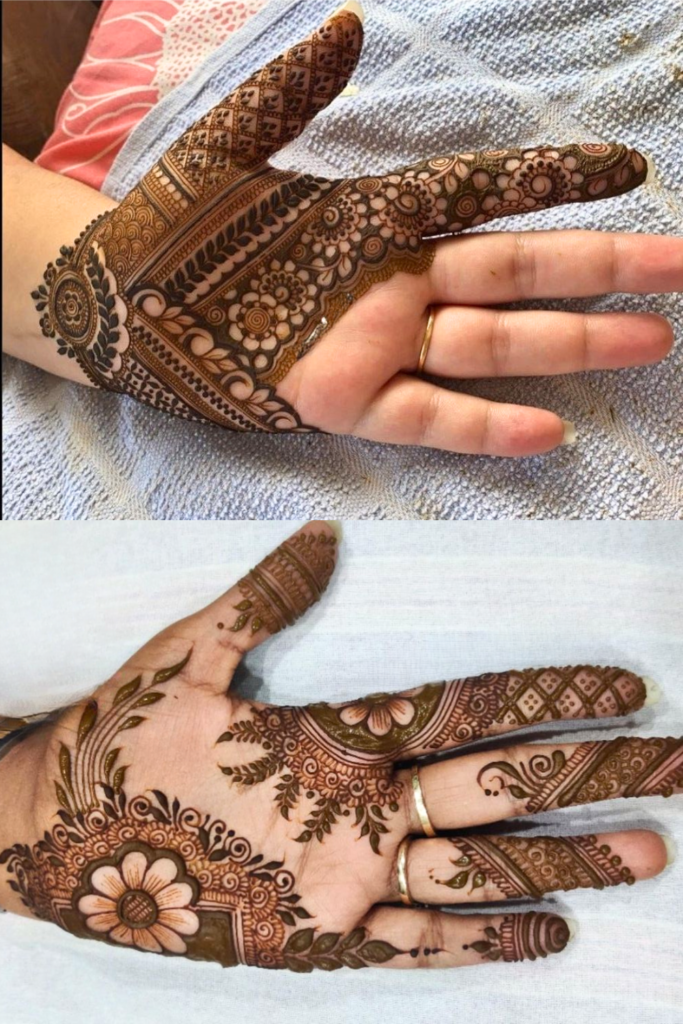
6. Indo-Arabic Fusion Bail
A hybrid of intricate Indian detailing and the open boldness of Arabic style, this design combines fine dot-work and shading within large vine motifs. It is among the most requested styles by modern brides seeking the best of both traditions.
Tips for a Perfect Bail Mehndi
Use Fresh Henna. Old or poorly stored henna will not stain well. Always use a cone that smells fresh and earthy, a good indicator of active lawsone content.
Maintain Consistent Pressure. Uneven pressure on the cone creates thick-thin inconsistencies that disrupt the elegance of vine lines. Practice on paper before applying to skin.
Keep Lines Flowing. Bail mehndi lives and dies by the quality of its lines. Hesitant, scratchy lines undermine the design. Move the cone confidently and continuously, as you would a pen writing in cursive.
Balance Negative Space. Resist the urge to fill every gap. The open areas between vines are as important as the design itself; they give the pattern room to breathe and the eye a place to rest.
Aftercare Matters. Moisturize the stained area daily with coconut oil or olive oil to prolong the stain. Avoid prolonged soaking in water (dishwashing, swimming) during the first 48 hours.
Conclusion
Bail mehndi is far more than a decorative tradition; it is a living art form carrying centuries of cultural memory within its curving lines. Whether simple or elaborate, its flowing, organic patterns bring an unmistakable elegance to the hands, reminding us that beauty is most captivating when it moves freely.